Many travelers often find themselves captivated by the vibrant tapestry of festivals celebrated across India. In this post, I will guide you through 10 spectacular festivals that not only showcase the country’s rich cultural heritage but also immerse you in its diverse traditions and lively celebrations. From the joyful colors of Holi to the solemnity of Durga Puja, each festival offers a unique experience that enhances your understanding of India’s cultural landscape. Join me as we explore these living celebrations that make cultural tourism in India truly unforgettable.
Key Takeaways:
- India’s festivals showcase diverse cultural heritage, drawing tourists from around the world.
- Events like Diwali, Holi, and Durga Puja highlight regional traditions and community spirit.
- Festivals promote local economies through tourism, food, handicrafts, and hospitality sectors.
Diwali: The Festival of Lights
Diwali, celebrated over five days, is one of India’s most significant and colorful festivals, symbolizing the victory of light over darkness and good over evil. This vibrant occasion transforms cities with dazzling lights, colorful rangoli, and fireworks, inviting both locals and tourists to partake in its joy. Families gather to offer prayers, exchange gifts, and enjoy lavish feasts, making it a time of cultural unity and celebration.
Significance and Traditions
The significance of Diwali is deeply rooted in Hindu mythology, primarily representing Lord Rama’s return to Ayodhya after defeating Ravana. Traditional practices include performing Lakshmi Puja to welcome prosperity and lighting diyas, which signify the dispelling of ignorance. I find it fascinating how these rituals not only enhance spirituality but also foster a sense of community, as people come together in joyful celebrations.
Regional Variations
Regional variations of Diwali across India showcase the festival’s diverse cultural tapestry. In Punjab, Bandi Chhor Diwas coincides with Diwali, highlighting the release of Guru Hargobind Ji from imprisonment, while in Gujarat, the festival marks the start of the new financial year. I notice how each state infuses local customs and flavors into the celebrations, giving travelers a rich tapestry of experiences to explore.
In West Bengal, for instance, Diwali includes the worship of the goddess Kali, emphasizing the triumph of good against evil in a unique context. In Tamil Nadu, families celebrate with the lighting of the Karthikai Deepam oil lamps, whereas in Maharashtra, it’s common to witness the sweet-filled platters of naralachi wadi. In Uttar Pradesh, the grand Ramlila performances take center stage, acting out the epic battle of Ramayana as part of the festivity. Such regional nuances offer a fascinating glimpse into India’s cultural diversity and allow visitors to appreciate the festival from various perspectives.
Holi: The Festival of Colors
Holi, celebrated in March, is a vibrant festival that signifies the arrival of spring and the triumph of good over evil. This festival is marked by the joyful throwing of colored powders, music, and dancing, attracting both locals and tourists eager to partake in its exuberance. You will find streets filled with laughter, vibrant colors, and a spirit of unity as people from all walks of life come together to celebrate love and friendship.
Historical Roots
The origins of Holi date back to ancient Hindu mythology, primarily associated with the legend of Prahlada and Hiranyakashipu. This tale symbolizes the victory of devotion over tyranny, where Prahlada’s unwavering faith leads to the defeat of his evil father. Additionally, the festival honors the divine love of Radha and Krishna, emphasizing themes of love, playfulness, and the arrival of spring.
Modern Celebrations
Today, Holi transcends its religious roots, becoming an inclusive celebration enjoyed by people of various backgrounds. You’ll find elaborate street parties in cities like Mathura, Vrindavan, and even in urban areas like Delhi and Mumbai, where traditional songs and dance complement the day’s festivities. Many opt for eco-friendly colors, reflecting a growing awareness of environmental issues, while some participate in themed parties and events that draw huge crowds, blending tradition with contemporary elements.
The modern celebrations of Holi invite a multitude of experiences. In urban settings, major parks and open areas transform into lively hubs, featuring DJ performances and food stalls. The festival also attracts tourists aiming to experience authentic Indian culture, resulting in unique outings where locals share stories and traditions. Many hotels and resorts host special events, ensuring both safety and festive enjoyment, allowing you to indulge in the joy of color without compromise. For the adventurous, some areas even offer traditional Holi experiences, where you can participate in the splendor of festivities infused with local customs and cuisine.
Durga Puja: A Grand Tribute
Cultural Significance
Durga Puja is more than just a festival; it’s an exuberant tribute to the goddess Durga, symbolizing the victory of good over evil. It is deeply rooted in Bengali culture, showcasing the region’s artistic prowess through elaborate idols and vibrant decorations. This celebration unites diverse communities, fostering a sense of belonging and shared heritage, as millions gather to honor the divine feminine during the month of Ashwin.
Rituals and Festivities
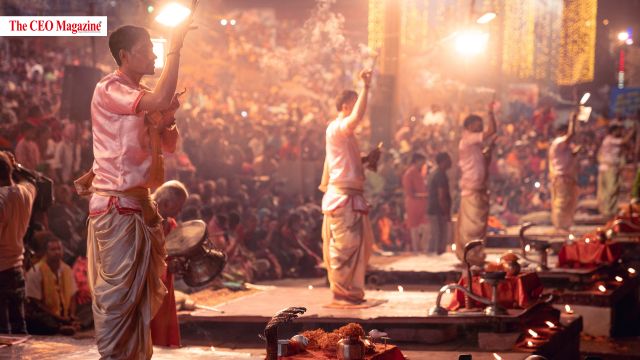
The rituals of Durga Puja span over five days, beginning with Mahalaya, when the goddess is invoked. The centerpiece is the immersive puja ritual, where offerings of fruits, sweets, and flowers are made. Streets come alive with processions, cultural performances, and the iconic Dhaki drumming. I find the atmosphere electric, as neighbors and families gather for celebrations ranging from singing to late-night festivities.
Each day of Durga Puja unfolds with distinct rituals. The Shashthi marks the formal welcoming of the goddess, while the Saptami celebrates her arrival. Notably, the Ashtami ritual involves the striking of the kanya puja, where young girls embody the goddess, elevating their status in society for the day. I’ve witnessed the frenzy of the visarjan (immersion) on Dashami, which is filled with emotion as devotees bid farewell to the goddess, symbolizing the temporary nature of existence. This communal experience is a vibrant tapestry of faith, culture, and devotion.
Navratri: A Dance of Devotion
Navratri stands as a vibrant testament to the diverse tapestry of India’s religious and cultural heritage. Over nine nights, this festival is a celebration of the divine feminine, with fervent devotees engaging in various rituals, vibrant dances, and devotional songs. Each day is dedicated to the worship of different forms of the goddess Durga, culminating in a grand celebration that not only honors the goddess but also fosters unity and community spirit among participants. The infectious energy, colors, and cultural richness make Navratri a living festival that draws visitors from all over the world.
Celebrating the Goddess
Each day of Navratri is dedicated to a different manifestation of the goddess, emphasizing her strength and nurturing qualities. You may witness vibrant processions, elaborate rituals, and ceremonies as devotees seek blessings for prosperity and protection. The celebratory spirit is infectious, as men and women dress in ornate traditional attire, creating an atmosphere filled with devotion and joy. The significance of these nine nights lies in instilling a sense of devotion and community among participants across all age groups, making it a unique cultural experience.
Dance Forms and Music
Navratri is renowned for its dynamic dance forms, particularly Garba and Dandiya, which you’ll see performed with exuberance and skill. Each night, throngs gather to dance in circles, beautifully dressed in traditional attire, embodying both reverence and celebration. The rhythms of dhol and the melodious tunes create an enthralling ambiance, encouraging participation and ecstatic expression. The dances aren’t just art forms; they narrate stories of the goddess and involve symbolic gestures that enhance the spiritual significance.
During Navratri, the music and dance transcend mere entertainment; they ignite a cultural revival. While Garba tends to be a slower, circular dance reflecting community bonding, Dandiya is often fast-paced and competitive, using colorful sticks to engage participants in playful battles. You’ll observe the accompaniment of live musicians, often featuring traditional instruments like the dholak and harmonium, creating a perfect blend of rhythm and melody. This fusion of music and movement evokes spiritual connection while encouraging cultural preservation, making it an indispensable part of the festival’s celebration.
Pongal: Harvest and Gratitude
Pongal, celebrated primarily in Tamil Nadu, is a vibrant festival honoring the harvest and expressing gratitude to nature. It usually takes place in mid-January, corresponding with the sun’s transition into the zodiac sign of Capricorn. This four-day event involves rituals, traditional music, and colorful festivities that accentuate community spirit and agricultural appreciation.
Traditions and Practices
During Pongal, you will witness the preparation of a special dish called Pongal, made from newly harvested rice and boiled with milk and jaggery. The first day, Bhogi, involves discarding old items to symbolize new beginnings. Surya Pongal follows, where I offer thanks to the sun god by cooking Pongal in outdoor clay pots. The festival culminates in Mattu Pongal, honoring cattle, which play a vital role in agriculture.
Culinary Celebrations
Culinary delights form the heart of Pongal festivities, showcasing the rich flavors of South Indian cuisine. Families come together to prepare dishes that not only please the palate but also reflect agricultural bounty.
The standout dish, Pongal, symbolizes prosperity and is often garnished with cashews and raisins. Additionally, you’ll find a plethora of sweets, like Chakkara Pongal made with jaggery, and various rice dishes that embody seasonal ingredients. Local markets brim with fresh produce, and you might even encounter street stalls offering freshly made snacks. The emphasis on sharing these culinary creations with friends and family not only enhances the festive spirit but also deepens connections within your community.
Eid al-Fitr: A Festival of Sharing
Eid al-Fitr is a vibrant celebration marking the end of Ramadan, characterized by its spirit of generosity and community bonding. Families gather to enjoy lavish meals featuring traditional sweets and dishes, while the rich aroma of biryani fills the air. The festival, deeply rooted in Islamic traditions, fosters a sense of togetherness as people visit friends and neighbors, exchange greetings, and partake in communal prayers.
Spiritual Significance
This festival holds profound spiritual significance as it symbolizes the completion of a month of fasting and reflection. It allows you to express gratitude to Allah for the strength shown in self-discipline and devotion. The act of giving Zakat al-Fitr, a charitable donation, reinforces the importance of supporting those in need, amplifying the festival’s essence of compassion.
Community Celebrations
During Eid al-Fitr, community celebrations create a unique sense of unity among diverse participants. Typically, mosques and community centers organize large prayer gatherings, attracting thousands to celebrate together. You can witness streets bustling with celebratory ambiance, complete with shared meals, music, and cultural performances, reflecting the harmonious spirit of the festival. In cities like Mumbai and Delhi, elaborate fairs pop up, offering cultural festivities that unite thousands, creating an inclusive atmosphere where traditions are passed down and enjoyed collectively.
Conclusion
Taking this into account, I believe that the vibrant festivals of India serve as dynamic avenues for cultural tourism that enrich both visitors and local communities. Each celebration encapsulates unique traditions, arts, and culinary delights, inviting you to immerse yourself in diverse experiences. Your journey through these festivals not only broadens your understanding of India’s cultural landscape but also fosters meaningful connections with its people. By participating in these lively events, you contribute to preserving these cherished traditions while creating lasting memories.
FAQ
Q: What are the significant festivals that highlight cultural tourism in India?
A: Some significant festivals include Diwali, Holi, Durga Puja, Navratri, Pongal, Onam, Baisakhi, Ganesh Chaturthi, Eid, and Christmas. Each festival showcases unique traditions, rituals, and celebrations that attract tourists.
Q: How do these festivals impact local economies?
A: Festivals boost local economies by increasing tourism, supporting local businesses, creating job opportunities, and promoting traditional crafts and cuisine. They often lead to higher spending on accommodations, food, and souvenirs.
Q: What role do festivals play in preserving cultural heritage?
A: Festivals serve as platforms for showcasing and celebrating cultural heritage, traditions, and rituals. They promote community participation, intergenerational knowledge transfer, and raise awareness about cultural diversity, ensuring the preservation of local customs.

















Your article is exceptionally insightful, clearly demonstrating a deep understanding of the subject while presenting ideas in a smooth and engaging manner that keeps readers interested from beginning to end, and I truly appreciate how each point is thoughtfully developed and connected.
Your blog post is truly outstanding, offering fresh insights through a style that feels warm, intelligent, and approachable, and I greatly admire your ability to inspire readers with every carefully chosen word.
The Subnet Calculator is a must-have for any network admin toolkit.
2v2.io is one of the best .io games I have played in a long time. 56d87cda.
Your article stood out because the writing felt incredibly clean, modern, and thoughtfully structured in a way that kept everything flowing naturally.I appreciated how each idea was explained with clarity and confidence while still feeling accessible and easy for readers to connect with.
I truly admire how your article delivers valuable knowledge through a calm and confident tone, guiding readers smoothly through each concept while keeping the content interesting, clear, and highly rewarding to read.