Festivals in India reflect a tapestry of rich traditions, vibrant communities, and breathtaking diversity. I invite you to explore ten remarkable festivals that not only celebrate our heritage but also attract tourists from around the globe. Each festival offers a unique glimpse into India’s cultural richness, whether it be through colorful parades, ancient rituals, or tantalizing cuisines. By experiencing these events, you’ll uncover the deep-rooted traditions that make India a top tourist destination, while enjoying the lively spirit that brings people together.
Key Takeaways:
- Cultural festivals across India highlight regional traditions, cuisines, and art forms, attracting diverse tourists.
- Festivals such as Diwali, Holi, and Durga Puja represent India’s rich spiritual and cultural heritage, fostering community engagement.
- These events contribute significantly to local economies, promoting handicrafts and tourism-related businesses.
The Vibrant Colors of Holi
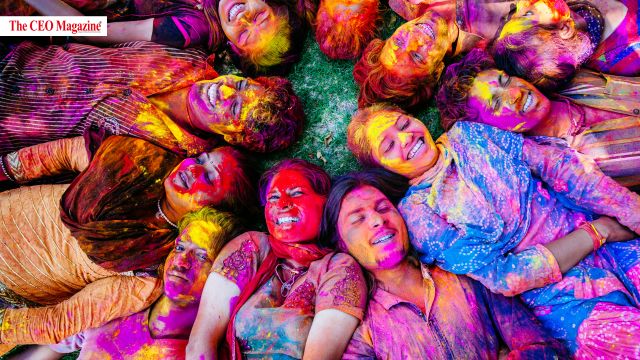
Holi, the festival of colors, represents the arrival of spring and the triumph of good over evil. Celebrated predominantly by the Hindu community, this exuberant occasion is marked by a joyful throwing of colored powders, dancing, and festive gatherings. I find that the spirit of Holi transcends religious boundaries, embracing people of all backgrounds, which adds to its charm as a significant attraction for tourists seeking authentic cultural experiences in India.
Significance of Holi
The significance of Holi extends beyond mere celebration; it symbolizes renewal and the end of winter. It commemorates various legends, including the victory of Prahlad over Holika, showcasing themes of devotion and resilience. This profound meaning resonates with many, creating a sense of unity as I join others in festive revelry, reminding us of the beauty of hope and forgiveness.
Celebration Across India
Holi celebrations vary widely across India, with each region adding its unique twist. In Mathura and Vrindavan, where Lord Krishna is said to have played Holi, the festivities are particularly grand, featuring traditional music and dance. In Rajasthan, vibrant local festivities include the “Lathmar Holi,” where women playfully beat men with sticks. I appreciate how each celebration captures the essence of the locality, making each experience distinct and memorable.
In cities like Mumbai, Holi turns into a massive street party, with people from diverse backgrounds joining in. The northern states often showcase their cultural heritage through elaborate dances and folk songs. In the southern regions, while traditional colors are embraced, local customs and foods shape the celebrations, adapting Holi to regional tastes. I find it fascinating how these variations create a mosaic of experiences that truly highlight India’s rich culture, allowing you to engage with history and local traditions during your visit.
The Spiritual Essence of Kumbh Mela
Kumbh Mela stands as one of the largest gatherings of humanity on earth, where millions converge for a sacred purpose. This festival symbolizes spiritual renewal and community, as participants seek to cleanse their souls through ritual bathing in the holy rivers. The event is not merely a festival; it’s an immersive experience that researchs deep into the heart of India’s spiritual diversity.
Historical Background
2,000 years, Kumbh Mela has profound roots in Hindu mythology, with its origins linked to the legendary churning of the ocean (Samudra Manthan) for the nectar of immortality. This mythological event birthed the belief that participating in the Mela can lead to salvation, making it a pilgrimage of significant importance.
Pilgrimage and Participation
Pilgrims flock to Kumbh Mela from all corners of India, drawn by the promise of spiritual rejuvenation. The festival occurs every 12 years, rotating among four designated locations. Each participant contributes to a vibrant tapestry of cultural exchange, with 2021 seeing nearly 50 million attendees during its peak.
The scale of pilgrimage affects not only personal journeys but also community dynamics. Each Kumbh location—Haridwar, Allahabad, Nasik, and Ujjain—is celebrated for its unique rituals, attracting diverse demographics. I’ve observed how sadhus (holy men) play a significant role, drawing crowds with their wisdom and lifestyle. The experience transcends religion, fostering interfaith dialogues and encouraging global participation, underscoring the festival’s universal themes of peace and togetherness.
The Cultural Showcase of Durga Puja
Durga Puja epitomizes the rich tapestry of Indian culture, particularly in West Bengal. This annual festival not only honors the goddess Durga’s victory over the buffalo demon Mahishasura, symbolizing the triumph of good over evil, but it also serves as a remarkable platform for artistic and cultural expression. With elaborate pandals, traditional rituals, and vibrant performances, Durga Puja attracts thousands of domestic and international tourists, making it a pivotal event in India’s cultural calendar.
Origins and Traditions
The roots of Durga Puja can be traced back to the 16th century, linked to the resurgence of the Hindu community’s identity. Traditionally observed during the lunar month of Ashwin, this festival involves a series of rituals such as the installation of the idol, the ‘Bodhana’ ceremony, and ‘Bijoya Dashami’ which signifies the Goddess’s return to her celestial abode. The festivities not only unite families and communities but also reinforce cultural values and heritage.
Artistic Expressions
Durga Puja is a canvas for diverse artistic expressions where traditional crafts meet contemporary innovations. Intricate idol-making, vibrant decorations, and thematic pandals showcase remarkable creativity. Artists invest months preparing, blending age-old techniques with modern aesthetics, producing awe-inspiring structures often reflecting socio-political themes. Cultural performances, including traditional dance and music, further enrich the experience, making every aspect a testament to India’s artistic prowess.
The artistic expressions during Durga Puja are breathtaking, with themes ranging from mythology to current global issues. Local artisans craft stunning idols, often exceeding 10 feet in height, adorned with intricate jewelry and vibrant colors. The pandals themselves are architectural marvels, sometimes constructed in less than a month, featuring materials like bamboo, clay, and even recycled goods. Each year, competitions for best pandal designs ignite creativity, showcasing everything from traditional motifs to innovative, modern narratives. You’ll find folk performances, dance groups, and cultural shows spilling into the streets, creating a vibrant symphony of sights and sounds that encapsulates India’s artistic spirit.
The Culinary Delights of Pongal
Harvest Festival Background
Pongal is celebrated in mid-January, marking the close of the harvest season and paying homage to the sun god, Surya. This four-day festival is primarily observed in Tamil Nadu and showcases the agricultural abundance through various rituals. Families come together to give thanks and celebrate the fruits of their labor, making it a time of joy and unity.
Traditional Dishes and Practices
The highlight of Pongal is undoubtedly the food, particularly the sweet and savory versions of Pongal, a rice dish prepared with freshly harvested rice, jaggery, and milk. You may also encounter Pongal pot boiling, where rice is cooked in a clay pot that overflows, symbolizing prosperity. Additionally, dishes like Vadai and Sakkarai Pongal play pivotal roles in the festivities, each crafted with love and tradition.
During Pongal, the preparation of Sakkarai Pongal—a sweet dish made with rice, jaggery, and ghee—is a captivating ritual that involves families gathering to cook together. It usually includes roasted cashews and cardamom, enhancing the aroma and flavor. The act of boiling the rice in a traditional clay pot is significant as it symbolizes abundance; the pot is often decorated with kolam (rangoli) designs, adding a visual feast to the culinary experience. You can feel the warmth and camaraderie as families gather around this shared dish, celebrating not just the harvest but their collective bonds.
The Enchantment of Diwali
Witnessing Diwali, the Festival of Lights, is an unparalleled experience. Celebrated by millions, it signifies the victory of light over darkness with vibrant displays of fireworks, the colorful rangolis, and the illuminating oil lamps found in every corner of homes and streets. This festival transcends mere celebration; it unites families and communities in collective joy and reverence. As night falls, the glowing lights create an enchanting atmosphere, drawing tourists keen to immerse themselves in this rich tradition.
Festival of Lights
The essence of Diwali, recognized as the Festival of Lights, encapsulates profound symbolism with each flickering lamp representing hope, wisdom, and a fresh start. You’ll find that during this time, homes are adorned with diyas (small oil lamps) and candles, illuminating the darkest nights. Festive sweets are exchanged, and prayers are offered to the goddess Lakshmi, inviting prosperity into households. The celebratory vibe is infectious, creating an inviting atmosphere that draws in visitors to observe the splendor of this cherished ritual.
Regional Variations
Diwali’s celebration varies significantly across regions, reflecting the local culture and traditions. In Punjab, for instance, the festival coincides with the harvest season, marked by bhangra dances and feasting. In southern India, you might notice Govardhan Puja as an integral part of Diwali, celebrating Lord Krishna’s lifting of the Govardhan Hill. Each region brings its own vibrant hues and flavors, embodying diverse rituals that tantalize both the senses and the spirit.
As I’ve explored Diwali celebrations from the north to the south of India, the regional differences become apparent. In Maharashtra, the festival emphasizes the worship of Ganesha, whereas in West Bengal, it has become synonymous with Kali Puja, a night dedicated to the fierce goddess Kali. In Gujarat, the “New Year” celebrations take precedence with grand feasts and joyous gatherings. These variations not only highlight India’s cultural diversity but also showcase the vibrant tapestry of traditions that are intrinsic to the festival, making each experience distinct yet universally captivating.
The Folk Heritage of Ratha Yatra
Ratha Yatra, or the Chariot Festival, epitomizes the vibrant folk heritage of India. This event is not just a religious celebration; it brings together diverse communities, showcasing colorful traditions, music, and dance. The majestic procession of the chariots, adorned with intricate designs, draws thousands of devotees and tourists alike, making it a captivating spectacle for anyone who witnesses it.
Origin of the Festival
The roots of Ratha Yatra trace back to ancient scriptures, particularly the Skanda Purana, which narrates the journey of Lord Jagannath, his sister Subhadra, and brother Balabhadra from the Jagannath Temple to their garden in Puri. This festival symbolizes the annual homecoming of the deities, believed to rejuvenate them while allowing devotees to seek blessings on their pilgrimage.
Festivities in Puri
Puri transforms into a vibrant hub during Ratha Yatra, with streets lined with enthusiastic pilgrims and visitors. The chariots, towering up to 45 feet, are pulled by thousands with a spirit of devotion and fervor. Traditional music fills the air, along with the scent of luscious offerings, while local artisans display captivating handicrafts that reflect the rich cultural tapestry of Odisha.
As the festivities unfold, the atmosphere becomes electric. Enthusiastic crowds chant “Jai Jagannath!” while pulling the massive chariots, creating a communal sense of joy and belonging. Food stalls serving local delicacies line the route, enticing visitors to savor dishes like puri, aloo bhaji, and the famous chhena poda. Additionally, cultural performances, including folk dances and music by local artists, heighten the celebration, making each moment unforgettable. Whether you join the procession or simply soak in the ambiance, the energy of Ratha Yatra in Puri leaves a lasting impression, connecting you to India’s profound spiritual and cultural heritage.
Summing up
To wrap up, I believe that exploring these 10 cultural festivals can significantly enhance your understanding of India’s rich diversity. Each festival offers unique experiences, showcasing various traditions, cuisines, and art forms that reflect the country’s vibrant heritage. By participating in these events, you not only witness the local culture but also contribute to India’s flourishing tourism industry. I encourage you to immerse yourself in these celebrations for a truly enriching travel experience.
FAQ
Q: What are the highlights of the Durga Puja festival in West Bengal?
A: Durga Puja showcases intricate idol craftsmanship, elaborate pandals, and vibrant cultural performances, celebrating the goddess Durga’s victory over evil. The festival features traditional music, dance, and mouth-watering Bengali cuisine, attracting millions of visitors annually.
Q: How does the Pushkar Camel Fair contribute to India’s tourism?
A: The Pushkar Camel Fair is a significant cultural event where visitors witness colorful camel trades, folk performances, and local handicrafts. Its unique blend of spirituality and commerce, along with cultural activities like camel races and traditional music, draws tourists from all over the world.
Q: What makes the Goa Carnival a unique cultural experience?
A: The Goa Carnival combines Portuguese influence with Indian traditions, featuring lively parades, music, and dance. Visitors can enjoy street parties, local delicacies, and vibrant costumes, offering a dynamic atmosphere that highlights Goa’s rich multicultural heritage and attracts tourists eager for festive experiences.

















Yo, tobet883g caught my eye with their slick design. Deposited a bit to test the waters. They got a solid variety of games, and I actually managed to win a little something! Could use a few more promos, but hey, a win’s a win. Give them a look-see: tobet883g.
Been messing around on eu88bet for a while now. I gotta say, their customer support is surprisingly helpful. Had a small issue with a withdrawal, and they sorted it out quick. Games are decent, nothing crazy but reliable. Worth a try, especially if you value good support: eu88bet.
Just signed up to nh88com. Site’s alright, pretty standard stuff. Haven’t won big yet, but I’ve had some decent runs. Kinda wish their bonus terms were clearer, but overall it’s a passable place to gamble. Check it out if you’re bored: nh88com.
Your blog post is very well-written and engaging because it maintains a strong and consistent tone while also presenting ideas in a clear and structured way that keeps readers interested.
This blog post shows excellent writing skills because it combines clarity, structure, and creativity while also delivering meaningful and useful insights to the reader.
I’m simply in awe of your article, thank you for sharing such brilliance! Bang 36000 Vape met groot scherm: 36.000 trekjes, instelbare energiestanden, volledig scherm – Groothandel en bulkverkoop van wegwerpvapes
The content of the article is detailed, and I’ve learned many useful things. The Latest ISO-IEC-42001-Lead-Auditor practice questions download exam questions are free—take the first step towards career advancement and salary growth!
I am impressed by how engaging your blog post is as it captures attention right from the beginning while also maintaining interest through strong content that is both meaningful and well-presented.
Your writing style is very effective and engaging because it presents ideas clearly and confidently while also maintaining a natural and smooth flow that enhances readability.