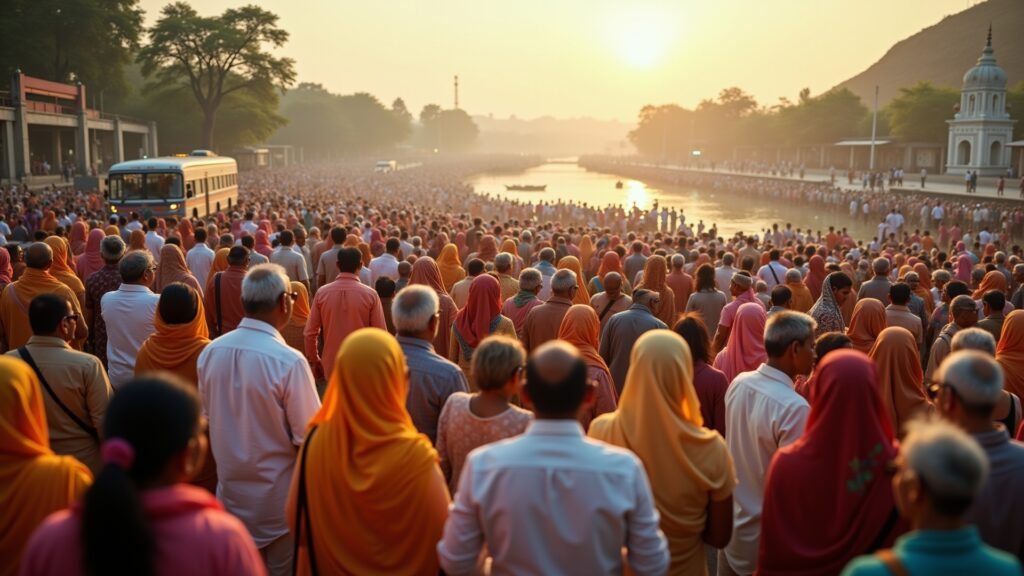
As a leader in the tourism or hospitality sector, understanding the shifting currents in India’s holiday market is crucial for refining your growth strategy and investment decisions. The burgeoning surge in faith tourism and travelers from smaller cities is not just a passing trend—it’s reshaping how destinations evolve, how hospitality providers design their offerings, and how aviation and digital platforms respond to demand. This dual force opens avenues for sustained revenue generation, intelligent infrastructure development, and premiumisation of travel experiences that can position your business or destination at the forefront of India’s economic and spiritual travel renaissance.
Why This Development Matters to You
You operate in a complex ecosystem where passenger flows, hotel occupancy, and investment returns are increasingly influenced by nuanced traveler segments. By recognizing the rise of faith tourism alongside the increasing participation of Tier-2 and Tier-3 city travelers, you unlock critical insight into consumption patterns and destination preferences. These segments are driving demand beyond metropolitan strongholds, fostering an expansive, diversified tourism economy. This means:
- You must rethink product and service portfolios to blend luxury, wellness, and spiritual elements.
- Airport and connectivity investments must prioritize regional access to tap into new markets.
- Digital marketing and booking platforms should harness data-driven strategies tailored to emerging traveler profiles.
- Policy frameworks and financing models must evolve to support sustainable infrastructure that protects cultural integrity while scaling hospitality capacity.
The Changing Landscape: What’s Happening in India’s Tourism Market
India’s tourism sector is experiencing a dynamic transition. Faith-based travel destinations are witnessing recurrent visitation from loyal, often family-oriented pilgrim segments who seek not just spiritual fulfillment but premium and wellness-linked hospitality services. Meanwhile, travelers from smaller cities are fueling a broader domestic travel boom, eager to explore diverse locales with improved accessibility and amenities.
Enhanced aviation connectivity through upgraded regional airports is pivotal to this trend, facilitating direct and efficient routes from smaller urban hubs to emerging destinations. Hotel and resort developers are responding with scaled investment in Tier-2 and Tier-3 cities, increasing hospitality options beyond traditional metro-centric models. This geographic and demographic shift is creating a fresh market imperative for your business and destination strategies.
Strategic Business and Tourism Implications
Integrating these developments into your strategic framework offers critical advantages:
- Destination Development: Sustainable scaling is essential, ensuring infrastructure upgrades do not compromise the cultural or spiritual ethos that draws pilgrim travelers.
- Hospitality Portfolio Diversification: Premium wellness experiences aligned with faith tourism can command higher ADR (Average Daily Rate) and boost RevPAR (Revenue per Available Room).
- Aviation and Connectivity: Prioritizing regional airports and direct connectivity can make or break successful destination penetration.
- Investment Focus: Capital allocation towards scalable assets in smaller cities promises higher growth potential with an expanding domestic customer base.
- Digital Transformation: Leveraging travel technology to understand and cater to the unique booking behaviors and preferences of spiritual tourists and smaller city travelers is a competitive differentiator.
“The real edge is not only in attracting visitors, but in building experiences, infrastructure, and trust that keep them coming back.”
Strategic Insight: Maximizing Opportunity in Faith Tourism and Regional Travelers
The convergence of faith tourism with the rising profile of smaller city travelers demands a reframing of your approach. It’s about marrying cultural authenticity with commercial savvy, where sustainability and premiumisation walk hand in hand. For operators, this means developing wellness-centric spaces, curated experiences, and culturally respectful premium services that resonate with pilgrim and spiritual traveler values.
Moreover, investors should reorient their portfolios to include emerging destinations benefitting from upgraded infrastructure and shifting traveler flows. Policymakers have a crucial enabling role—to foster inter-sectoral coordination that ensures transport, hospitality, and cultural heritage preservation evolve in harmony.
Effective segmentation and digital engagement strategies will further sharpen your competitive positioning. Understanding the unique travel motivations and booking patterns of these travelers through data analytics enhances targeting precision, improves conversion rates, and fosters customer loyalty.
Practical Takeaways for Tourism Business Leaders
- Monitor aviation connectivity trends, especially regional airport development in Tier-2 and Tier-3 cities.
- Align hospitality investments with faith and wellness tourism demand by creating distinct, culturally sensitive premium products.
- Leverage data insights to customize marketing campaigns and optimize digital booking platforms for the spiritual traveler and smaller city clientele.
- Partner with local stakeholders—government, cultural custodians, and community groups—to elevate destination readiness and visitor experience.
- Prioritize sustainable development that safeguards sacred sites and local heritage while fostering economic growth.
“In tourism, demand matters — but destination readiness is what converts interest into durable growth.”
Cautious Considerations and Risks
While the emerging growth vector is compelling, you must be mindful of multiple risks. Over-commercialization of pilgrimage sites risks alienating core spiritual audiences. Inadequate infrastructure scaling can strain environmental and cultural carrying capacity, undermining destination integrity. Additionally, fragmented policy coordination may slow critical upgrades to connectivity and hospitality readiness, diluting market potential.
Investors and operators should be wary of relying solely on short-term demand spikes without embedding long-term sustainability and community engagement principles into their expansion models.
Looking Ahead: What You Should Watch Next
Keep an eye on infrastructure investments, especially in regional airports and transport links. Monitor evolving consumer behaviors among smaller city travelers, particularly their travel preferences and willingness to pay for premium or wellness-linked experiences. Stay attuned to government policies facilitating destination development and tourism promotion, ensuring they align with sustainable and inclusive growth objectives.
“When connectivity, hospitality quality, and destination strategy align, tourism growth becomes far more sustainable.”
Conclusion
The rise of faith tourism paired with the expanding travel footprint of smaller city consumers is a transformative force in India’s holiday market. By internalizing these market dynamics and integrating them into your strategic infrastructure, product development, and investment frameworks, you position your enterprise or destination for enduring success. This approach not only unlocks new revenue streams but also ensures India’s competitive edge on the global stage, blending spiritual heritage with modern hospitality excellence for the discerning traveler.