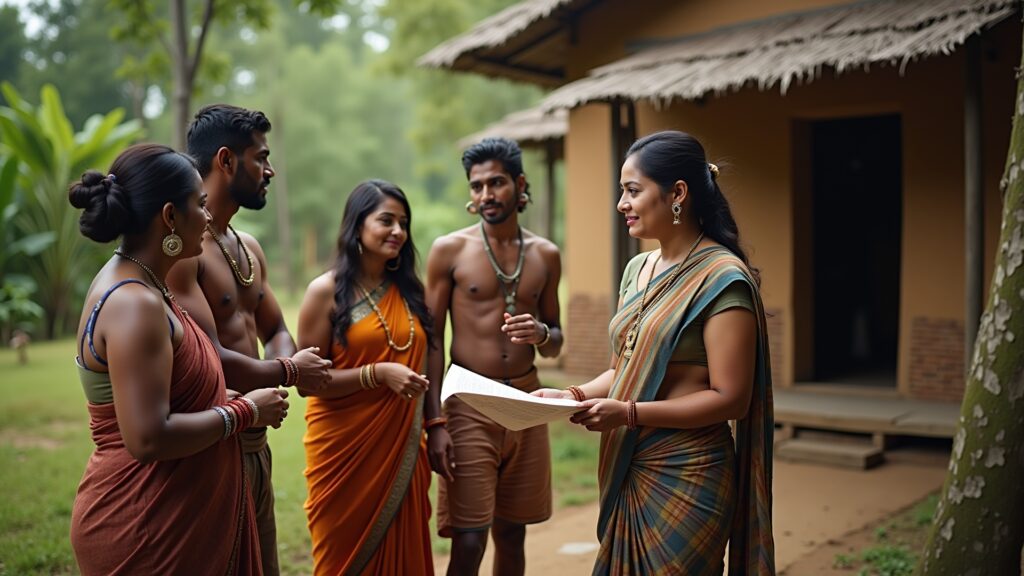
When you consider India’s vast and diverse tourism landscape, the emerging focus on capacity building for tribal homestay owners deserves your close attention. This strategic initiative, pioneered by the India Tourism Development Corporation (ITDC) in collaboration with the Ministry of Tribal Affairs, is not just another skill development program — it is a game-changer that could redefine how you position your tourism business or destination strategy in the coming decade.
Why This Matters to You and Your Tourism Enterprise
If you are a tourism executive, destination developer, hotelier, or investor, the significance lies in the untapped value tribal homestays bring to India’s premium and sustainable tourism spectrum. The program aims to elevate authentic, culturally immersive stays operated by tribal communities, aligning with global shifts where travelers demand not just luxury but genuine experiences rooted in local heritage and responsible tourism.
This means you could tap into a growing segment that enhances your portfolio’s diversity, boosts occupancy and Average Daily Rate (ADR), and positions your brand around exclusivity and cultural integrity. India’s domestic travel surge from Tier-2 and Tier-3 cities alongside international curiosity about tribal cultures amplifies the business case for integrating these offerings into mainstream hospitality ecosystems.
What Is Happening: Capacity Building at the Grassroots
The inauguration of this capacity building program marks a deliberate push to equip tribal homestay owners with essential skills—ranging from operational best practices and service quality enhancement, to digital literacy and market readiness. Beyond improving individual businesses, this initiative fosters skill-building, entrepreneurship, and economic empowerment at the community level, thus contributing to equitable tourism-led growth in tribal regions.
By focusing on tribal homestays, the program also addresses the demand for differentiated, responsible travel products that resonate with sustainability goals and India’s policy priorities. It ensures that the growth of these accommodations is not fragmented or ad hoc but rather integrated and scalable through institutional support.
Business, Tourism, and Market Impact
For you overseeing hospitality operations or destination development, tribal homestays symbolize innovation and diversified appeal, crucial for sustaining business resilience amid evolving traveler preferences. Improved quality and professionalization can translate into higher RevPAR, better customer satisfaction, and expanded market access, including through travel technology platforms.
From an economic standpoint, the initiative stimulates local economies by generating income and nurturing talent in underdeveloped regions. Such grassroots empowerment complements infrastructure upgrades and policy frameworks, building a more robust and inclusive tourism ecosystem.
“In tourism, demand matters — but destination readiness is what converts interest into durable growth.”
Strategic Insights: Integrating Tradition with Modern Hospitality
Your leadership must recognize that this is more than skill-building — it is about weaving indigenous knowledge into formal tourism value chains. This dual approach strengthens cultural preservation while meeting international hospitality standards, offering a competitive edge in the burgeoning experiential travel market.
Moreover, you should see the program as a strategic lever for destination differentiation, especially as India’s domestic aviation and rural connectivity improve. Tribal homestays can become focal points of authentic rural tourism circuits, supported by policy incentives and technology-driven distribution channels.
Investment-wise, the professionalization of tribal homestays opens doors for innovative partnerships and co-investments, allowing you to scale impact while maintaining cultural authenticity. Your focus on inclusive business models now will pay dividends in brand equity and sustainable profitability.
“The real edge is not only in attracting visitors, but in building experiences, infrastructure, and trust that keep them coming back.”
Practical Takeaways for Tourism Leaders
- Understand the rising demand for authentic and responsible tourism experiences—tribal homestays offer a ready vehicle.
- Monitor government initiatives supporting grassroots capacity building and align your business strategies accordingly.
- Prioritize quality standards, digital literacy, and market integration when engaging with tribal homestay partners.
- Explore partnerships for investment and market expansion that preserve cultural integrity while enabling scalability.
- Leverage travel technology platforms to enhance visibility, booking efficiency, and traveler engagement for tribal accommodations.
Risks and Challenges: Navigating Growth Without Compromise
However, it is crucial to tread carefully. Over-commercialization risks diluting the cultural authenticity that makes tribal homestays valuable. Capacity building must be continuous and adaptive, ensuring hosts maintain service quality amid growing expectations. Furthermore, infrastructure disparities and limited digital connectivity in tribal regions can hinder rapid upscaling without sustained policy support.
You should also be alert to protecting community interests and preventing exploitation while fostering entrepreneurship.
What You Should Watch Next
Keep an eye on the evolving regulatory frameworks and government incentives supporting community-led tourism. Observe how the ITDC-Ministry of Tribal Affairs partnership expands its reach and impacts market dynamics.
Similarly, note advances in rural transport and broadband infrastructure, critical enablers for these homestays to thrive. Market response on digital platforms will also signal traveler readiness and preferences, guiding your strategic investment decisions.
“When connectivity, hospitality quality, and destination strategy align, tourism growth becomes far more sustainable.”
Conclusion: A Strategic Investment in India’s Cultural Capital
Ultimately, the capacity building program for tribal homestay owners is a cornerstone for transforming India’s tourism ecosystem. For you as a tourism business leader or policymaker, it offers a strategic pathway to integrate untapped cultural wealth into profitable, sustainable tourism products.
By embracing this initiative, you contribute to a premiumisation narrative that values authenticity, inclusivity, and economic empowerment. This is not merely a government scheme; it is a blueprint for responsible growth, offering scalability with respect for tribal heritage—a rare strategic advantage in competitive global tourism markets.