It’s crucial to explore India’s rich tapestry of culture through its heritage tourism circuits. Each circuit offers a unique glimpse into the country’s past, showcasing incredible architecture, vibrant traditions, and local cuisine. From the majestic palaces of Rajasthan to the ancient temples of Tamil Nadu, I will guide you through 10 remarkable journeys that every traveler deserves to experience. These circuits not only enhance your travel experience but also deepen your understanding of India’s diverse history and people.
Key Takeaways:
- India boasts diverse heritage tourism circuits, showcasing unique cultural, historical, and architectural richness.
- Popular circuits include the Golden Triangle, Konkan Coast, and the Temples of Tamil Nadu, each offering distinct experiences.
- These circuits enhance understanding of regional traditions, art forms, and culinary delights, making them imperative for travelers.
The Spiritual Heritage Circuit – Varanasi
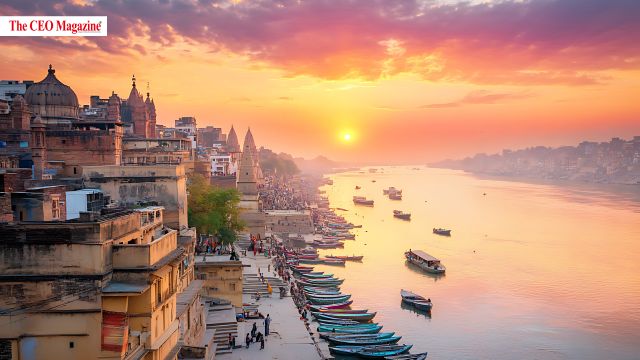
Varanasi, one of the world’s oldest continuously inhabited cities, is the spiritual heartbeat of India. Situated along the sacred Ganges, this ancient city offers a profound connection to India’s spiritual legacy. Known as Kashi in ancient scriptures, Varanasi is believed to be a place where the physical and divine worlds meet — a destination that draws pilgrims, philosophers, scholars, and travelers seeking meaning beyond sightseeing.
Varanasi
In Varanasi, every sunrise feels sacred. The iconic Ganga Aarti at Dashashwamedh Ghat fills the air with chants, bells, and flickering lamps, creating a mesmerizing spiritual ambience. Narrow alleys lead to centuries-old temples, bustling bazaars, and stories etched into every corner of the city. I found the Kashi Vishwanath Temple to be the spiritual focal point — a revered shrine dedicated to Lord Shiva and a symbol of devotion passed down through millennia.
As I walk through the ghats, I feel the essence of life and death intertwined. The Manikarnika Ghat, where funeral rituals take place, highlights the belief in liberation (moksha) — a concept deeply rooted in Hindu philosophy. Varanasi is not just a heritage destination; it is an experience of introspection, where faith, ritual, and everyday life coexist seamlessly.
The local cuisine also reflects the city’s personality — traditional Kachori Sabzi, Malaiyo, and Banarasi Paan offer a delicious glimpse into its culinary traditions. Exploring Varanasi feels like stepping into a living museum of spirituality and culture, making it an essential stop in India’s heritage tourism narrative.
The Golden Triangle
The Golden Triangle is a quintimportant heritage tourism route in India, encompassing Delhi, Agra, and Jaipur. This circuit offers a captivating blend of history, architecture, and culture, making it an ideal starting point for travelers eager to explore India’s rich past.
Delhi
In Delhi, you’ll find an exhilarating mix of the ancient and modern. The city boasts stunning landmarks such as the Red Fort and Qutub Minar, both UNESCO World Heritage Sites. As you navigate through its vibrant streets, the juxtaposition of old-world charm and contemporary hustle captivates every traveler.
Agra
Agra is home to the iconic Taj Mahal, a symbol of love and a UNESCO World Heritage Site. Visiting this architectural marvel at sunrise provides an unforgettable experience as the first rays of sunlight illuminate its white marble. Agra also houses the impressive Agra Fort, showcasing Mughal architecture and history.
Beyond the Taj Mahal, Agra’s rich history is reflected in its bustling bazaars and local delicacies. I enjoyed exploring the intricacies of Mughal craftsmanship in the marble inlay work and tasting the famous Petha, a sweet made from ash gourd. You’ll discover that Agra’s allure extends well beyond its most famous monument.
Jaipur
Jaipur, the Pink City, enchants visitors with its royal heritage and vibrant culture. The striking Hawa Mahal and grand Amer Fort are must-see attractions that reflect the glory of the Rajput era. The city’s colorful bazaars offer a glimpse into local life and shopping for handicrafts.
As you wander through Jaipur, you’ll feel the echoes of royalty. Exploring the lavish courtyards of Amer Fort provides insights into the opulent lifestyle of the Rajputs. Don’t miss witnessing traditional Rajputana performances in the evening, which bring history to life, offering a rich tapestry of stories and experiences. Each corner of Jaipur speaks of a glorious past waiting to be explored.
Rajasthan Heritage Circuit
The Rajasthan Heritage Circuit is a captivating journey through royal history and stunning landscapes, featuring vibrant cities brimming with heritage. From majestic forts and palatial residences to the fascinating stories of valor, this circuit offers an immersive experience of Rajasthan’s royal past. Each city in this circuit, namely Udaipur, Jodhpur, and Jaipur, showcases its unique charm, making it a must-visit for any traveler eager to explore India’s cultural depth.
Udaipur
Udaipur, often referred to as the “City of Lakes,” is an enchanting blend of natural beauty and royal heritage. The iconic Lake Pichola, with its picturesque boat rides, and the stunning City Palace, reflecting exquisite architectural styles, make Udaipur a romantic destination that leaves an indelible mark on every visitor.
Jodhpur
Jodhpur, the “Blue City,” is distinguished by its striking blue-painted houses and the formidable Mehrangarh Fort. This awe-inspiring fort, standing at a height of over 400 feet, provides breathtaking views of the city and insight into the rich history of the Rajputs. The local markets, filled with vibrant textiles and handicrafts, offer a taste of Jodhpur’s vibrant culture.
Exploring the Mehrangarh Fort is an absolute highlight; it houses an impressive museum featuring artifacts from Rajasthan’s regal past. The fort’s architecture showcases intricate carvings and expansive courtyards that encapsulate the grandeur of the Marwar kingdom. Don’t miss the Jaswant Thada, an elegant marble cenotaph that pays tribute to Maharaja Jaswant Singh II, providing a serene atmosphere and historical significance to your visit.
Jaipur
Jaipur, known as the “Pink City,” is famous for its stunning palaces and vibrant bazaars. The Hawa Mahal, with its unique façade designed for royal women to observe the street festivities, and the majestic Amber Fort, which offers exhilarating elephant rides, are just a few highlights of this colorful city that resonate with history and culture.
Jaipur’s blend of Mughal and Rajput architecture is mesmerizing, particularly within the City Palace complex, where you can explore royal gardens and museums filled with royal memorabilia and artifacts. The bustling markets, like Johari Bazaar, are perfect for picking up exquisite jewelry and handcrafted items, immersing you in the local traditions. I found the city to be a vibrant hub where the past and present coalesce beautifully, making each corner worth exploring.
Temples of Tamil Nadu
The Temples of Tamil Nadu stand as remarkable testaments to Dravidian architecture, spirituality, and cultural richness. Each temple narrates a unique chapter of history, showcasing intricate carvings, towering gopurams, and vibrant festivals that draw visitors and devotees alike. From ancient stone carvings to vibrant rituals, this circuit is an immersion into the divine and an exploration of artistic mastery.
Madurai
In Madurai, the Meenakshi Amman Temple is the centerpiece, renowned for its stunning architecture and a complex of 14 gopurams adorned with thousands of colorful sculptures. I find the atmosphere here resonates with spiritual energy, especially during the Meenakshi Thiru Kalyanam festival, which attracts thousands of pilgrims each year.
Thanjavur
Thanjavur, home to the Brihadeeswarar Temple, is a UNESCO World Heritage site that epitomizes Chola architecture. The temple’s grand stature, capped by a giant dome made of a single stone, reflects the zenith of artistic expression during the Chola dynasty.
As I explore Thanjavur, the intricate carvings, vast corridors, and the striking 216-foot tall vimana leave me awestruck. The temple, built in the 11th century, features a massive statue of Nandi (the bull) and stunning frescoes that depict various deities. Thanjavur also boasts a rich cultural heritage, known for its classical music and dance forms, making it a vibrant center for artists and historians alike.
Kanchipuram
Kanchipuram, often called the “City of a Thousand Temples,” is famed for its ancient temples like the Kailasanathar Temple and the vibrant architectural styles that reflect Tamil Nadu’s spiritual heritage. Walking through its streets, I can feel the presence of sacred traditions flowing in its very essence.
In Kanchipuram, the diverse styles of temple architecture often blend, offering insights into different historical periods. The Kailasanathar Temple, built in the 8th century, showcases beautiful stone carvings and houses 58 shrines. I also admire the rich silk weaving industry here, producing exquisite sarees that tell stories of this historic city’s artistry. Kanchipuram’s rich tapestry of spirituality and craft ensures it remains an unmissable destination for any traveler seeking to examine deeper into Tamil heritage.
The Himalayan Circuit
The Himalayan Circuit offers a breathtaking blend of natural beauty and rich cultural heritage, drawing travelers to its stunning landscapes and spiritual sites. Nestled amidst towering peaks, this circuit features iconic destinations like Shimla, Manali, and Dharamshala, each offering unique experiences that showcase the region’s rich history and vibrant local traditions.
Shimla
Shimla, once the summer capital of British India, is renowned for its colonial architecture and scenic mountain views. I found the Mall Road bustling with shops and eateries, while the historic Viceregal Lodge tells tales of the British Raj. Don’t miss the chance to indulge in the local food scene and explore the beautiful gardens surrounding the city.
Manali
Manali is a paradise for adventure enthusiasts, offering access to exhilarating activities such as paragliding, trekking, and skiing. The charming Old Manali retains a laid-back vibe, featuring quaint cafes and artisan shops. With its stunning landscapes, it’s impossible not to feel rejuvenated amidst the snow-capped peaks and lush valleys.
As you explore Manali, you’ll discover the Hadimba Temple, a wooden marvel dedicated to the goddess Hadimba, surrounded by serene cedar forests. Nearby, the Solang Valley transforms into a winter wonderland for skiing, while the stunning vistas of Rohtang Pass provide breathtaking views. The mixture of local culture and adventure makes Manali an unforgettable stop on the Himalayan Circuit.
Dharamshala
Dharamshala is home to the Tibetan government-in-exile and the Dalai Lama, making it a significant center for Tibetan culture. You’ll find vibrant monasteries, meditation centers, and a backdrop of majestic mountains, creating a peaceful sanctuary. The local markets offer a glimpse into Tibetan handicrafts, making it a great spot for unique souvenirs.
In Dharamshala, the Namgyal Monastery, one of the most important Tibetan monasteries outside Tibet, is a must-visit, where I experienced the rich traditions of Tibetan Buddhism firsthand. The area’s serene atmosphere encourages meditation and self-reflection, while treks around Triund Hill promise stunning panoramic views of the Dhauladhar range. Experiencing the blend of spirituality and natural beauty here is a highlight of the Himalayan Circuit.
The Deccan Heritage Trail
The Deccan Heritage Trail takes you through the rich tapestry of history and culture in South India, showcasing architectural marvels, ancient ruins, and timeless traditions. This circuit offers a unique glimpse into the legacy of various dynasties, inviting you to explore the grandeur of forts, palaces, and temples that have stood the test of time. Each destination is steeped in stories that will captivate your imagination and deepen your understanding of India’s heritage.
Hyderabad
In Hyderabad, I find a vibrant blend of modernity and tradition. The iconic Charminar, standing tall amidst bustling markets, serves as a gateway to the city’s rich history. Don’t miss the mesmerizing Golconda Fort, where I can almost hear the echoes of its royal past. The city’s culinary scene is equally exciting, with a plethora of delectable dishes that reflect its multicultural heritage.
Hampi
Hampi, a UNESCO World Heritage Site, transports me to an ancient world filled with ruins and breathtaking landscapes. Adorned with impressive structures like the Vijaya Vittala Temple and the Lotus Mahal, each stone tells a story of the once-flourishing Vijayanagara Empire. Exploring Hampi’s captivating boulders and relics feels like stepping back in time, allowing for an intimate connection with India’s illustrious past.
Hampi’s rich history is palpable in every corner, where I am surrounded by over 1,600 monuments that blend seamlessly with the striking terrain. I often find myself wandering the sacred Virupaksha Temple and marveling at the intricate carvings. The Hampi Bazaar adds to the experience, where I can purchase handmade crafts reflecting the local artisans’ skills. As I ascend the nearby hills for panoramic views, I come to appreciate the enchanting landscapes that complement the ancient ruins.
Badami
Badami, known for its stunning rock-cut temples, draws me into its fascinating ancient narratives. The Badami Caves, carved from sandstone, feature mesmerizing sculptures that speak of the Chalukyan dynasty’s artistic prowess. The Agastya Lake enhances the serene atmosphere, while the surrounding hills offer a beautiful backdrop for exploring more of this cultural gem.
As I immerse myself in Badami, each cave tells stories of devotion and artistry, most notably the fourth cave, housing a striking Shiva Linga. The intricate carvings and murals showcase the intersection of faith and art, allowing me to appreciate the skill and devotion of artisans from centuries ago. The nearby temples, such as Mahakuta and Banashankari, provide further insight into the spiritual significance of the region, making Badami an enriching stop on the Deccan Heritage Trail.
The Coastal Heritage Circuit
The Coastal Heritage Circuit unfolds along India’s beautiful coastline, offering a captivating blend of sun-soaked beaches, historical sites, and cultural treasures. From the architectural marvels of coastal temples to centuries-old forts, this circuit presents an unforgettable experience that highlights the vibrant history of coastal regions.
Goa
In Goa, you’ll find a unique fusion of Indian and Portuguese cultures, evident in its stunning churches, colorful markets, and vibrant festivals. The Basilica of Bom Jesus, a UNESCO World Heritage Site, showcases exquisite Baroque architecture, while the tranquil beaches provide a perfect backdrop for relaxation and water activities.
Mahabalipuram
Mahabalipuram, known for its exquisite rock-cut temples and sculptures, is a UNESCO World Heritage Site. The stunning Shore Temple, dating back to the 7th century, exemplifies Dravidian architecture, while the intricately carved Pancha Rathas invite deeper exploration into the artistic prowess of ancient craftsmen.
As I wander through Mahabalipuram, I’m mesmerized by the intricate rock carvings that depict various mythology and daily life scenes. The Descent of the Ganges, a massive bas-relief, narrates the tale of the river’s descent to Earth. Nearby, the mystical Stone Chariot adds a layer of mystique, allowing you to feel the presence of history in every stone. You will appreciate the harmonious blend of artistry and spirituality, making Mahabalipuram an crucial stop on the Coastal Heritage Circuit.
Diu
Diu enchants with its tranquil beaches, colonial architecture, and vibrant festivals. The Diu Fort, built by the Portuguese, offers panoramic views of the sea and is a testament to the region’s historical significance. The local cuisine, with its fresh seafood and Goan influences, adds to the charm.
Exploring Diu feels like stepping into a different era. The Portuguese influence is evident in the region’s architecture, with charming churches and mansions dotting the landscape. The serene beaches, less crowded than Goa’s, offer an idyllic spot for relaxation or adventure. I found the local cuisine irresistible, particularly the fresh catch of the day, grilled to perfection. The relaxed atmosphere and the rich history beautifully intertwine, making Diu a hidden gem on this coastal journey.
Final Words
Hence, exploring these 10 heritage tourism circuits in India provides a deep understanding of the country’s rich cultural tapestry. Each circuit offers unique experiences that resonate with history and tradition. As you begin on these journeys, I encourage you to immerse yourself in the local customs and stories. Your travels will not only broaden your horizons but also foster a greater appreciation for the diverse heritage that India has to offer.
FAQ
Q: What are the top heritage tourism circuits in India?
A: The top heritage tourism circuits in India include the Golden Triangle (Delhi, Agra, Jaipur), the Heritage Circuit of Rajasthan, the Buddhist Circuit (Bodh Gaya, Sarnath, Kushinagar), the Temples of Tamil Nadu, the Coastal Circuit of Kerala, the Historical Circuit of Maharashtra, the North East Heritage Circuit, the Punjab Heritage Circuit, the Kolkata Heritage Walk, and the Himalayan Circuit.
Q: What can travelers expect from the Golden Triangle circuit?
A: Travelers can expect to experience iconic landmarks such as the Taj Mahal, historical forts, vibrant markets, and rich culinary traditions. This circuit offers a blend of Mughal architecture, vibrant culture, and diverse handicrafts.
Q: How does heritage tourism benefit local communities in India?
A: Heritage tourism contributes to local economies by creating jobs, supporting small businesses, and promoting cultural preservation. It encourages the maintenance of historic sites and fosters community involvement in tourism while enhancing cultural exchanges.




















References:
Lucky bird casino seriös Online Casino Bonus ohne Einzahlung 2026
References:
Iphone casino https://jobcopae.com
I am impressed by how engaging your blog post is as it captures attention right from the beginning while also maintaining interest through strong content that is both meaningful and well-presented.
I admire how you maintain a consistent tone and style, which helps create a cohesive and professional piece of writing.Your ability to connect ideas in a logical and meaningful way strengthens your arguments and makes the article more impactful.