The recent decision by Bangladesh to postpone its Ireland cricket tour in pursuit of a blockbuster series against India is more than a scheduling adjustment—it is a strategic pivot with significant implications for South Asia’s tourism, hospitality, and aviation sectors. If you are a stakeholder in this ecosystem, this development invites you to rethink how sports, especially cricket, increasingly drive tourism economics and destination growth in a region where connectivity and premium travel experiences are rapidly evolving.
Why This Matters to You
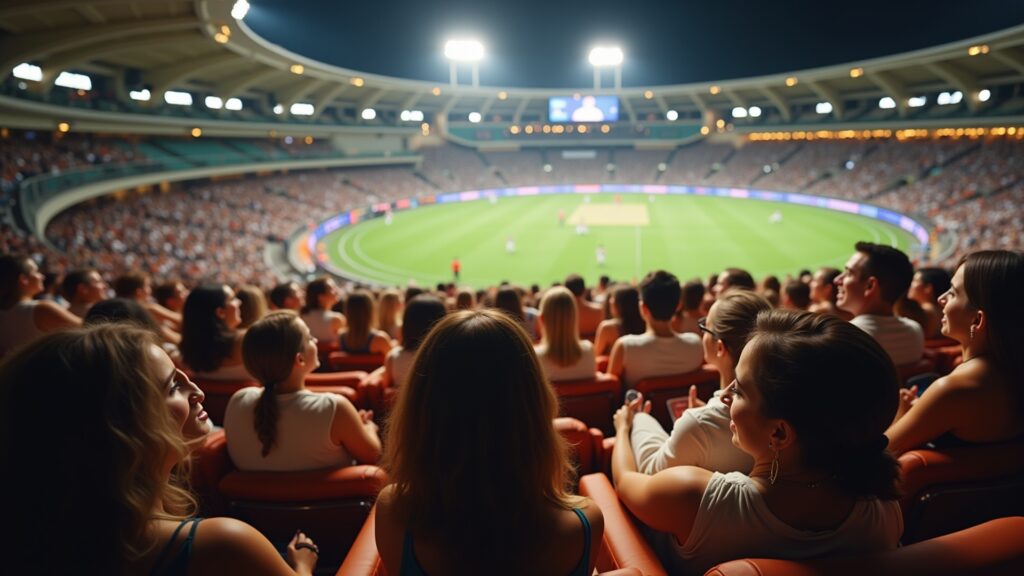
As a tourism business leader, hotelier, investor, or policymaker focused on South Asia’s dynamism, you must recognize how such calendar shifts affect demand curves deeply. High-profile cricket matches like those involving India unleash waves of travel activity—not only from fans but also from business travelers, media, sponsors, and associated service providers. The postponement reflects where value is expanding within the sports-tourism nexus, spotlighting India as a magnet for premium sports tourism and related infrastructure investments.
Understanding these shifts can sharpen your market positioning, sharpen capacity planning, and unlock new revenue streams aligned to marquee event demand spikes. This isn’t simply a cricket story; it’s a business story about harnessing event-led tourism as a catalyst for sustainable growth and competitive destination branding.
What Is Happening?
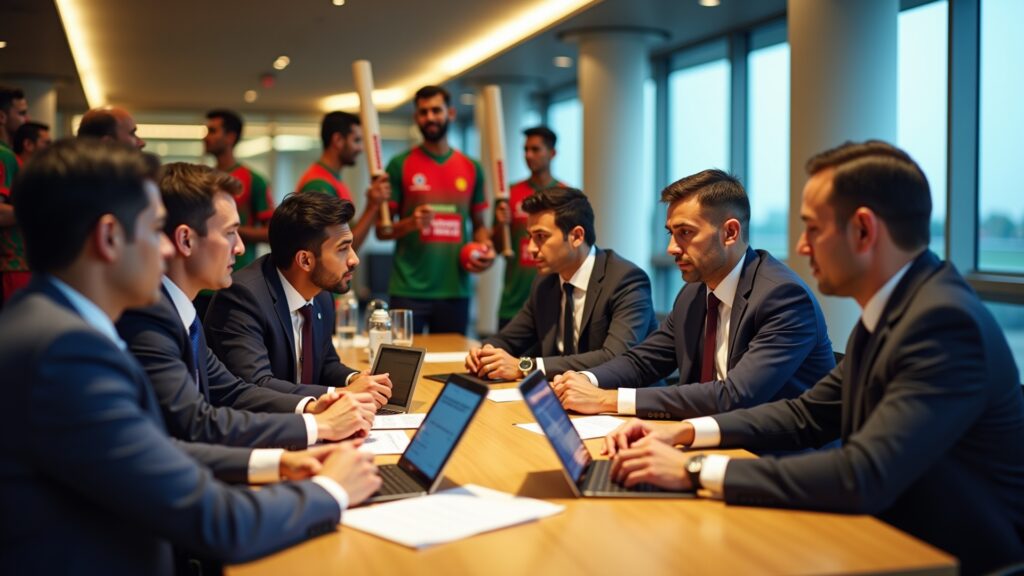
Bangladesh’s cricket board has delayed their planned tour to Ireland, redirecting focus and resources to arrange a major series against India. The rationale is clear: India’s cricket ecosystem is one of the world’s richest in terms of commercial opportunities and fan engagement. With India’s massive cricket-following population and rising middle- and upper-income travelers, this shift aims to maximize the financial and tourism potential that international matches unlock.
Meanwhile, Ireland loses a high-profile international visitor, possibly affecting its tourism and hospitality market in the short term. But the broader narrative centers on the strategic prioritization of markets that align more closely with economic and tourism growth ambitions.
Key Business, Tourism, and Market Impacts
- Hotel and Hospitality Demand Surge: Matches in India lead to spikes in hotel occupancy, increasing Average Daily Rate (ADR) and Revenue Per Available Room (RevPAR), bolstering premium segment growth.
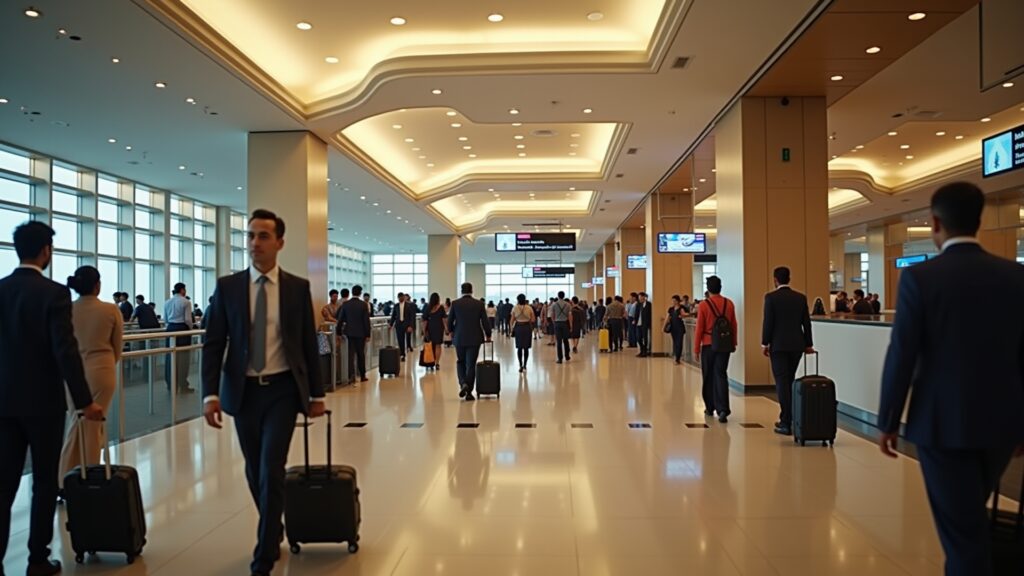
- Aviation and Connectivity Adjustments: Airline route planners and airport operators must respond to fluctuating, event-driven passenger flows, requiring nimble capacity management and infrastructure readiness.
- Destination Development Acceleration: Hosting marquee international matches encourages upgrades to stadiums, transport networks, and urban amenities, fostering longer-term tourism competitiveness.
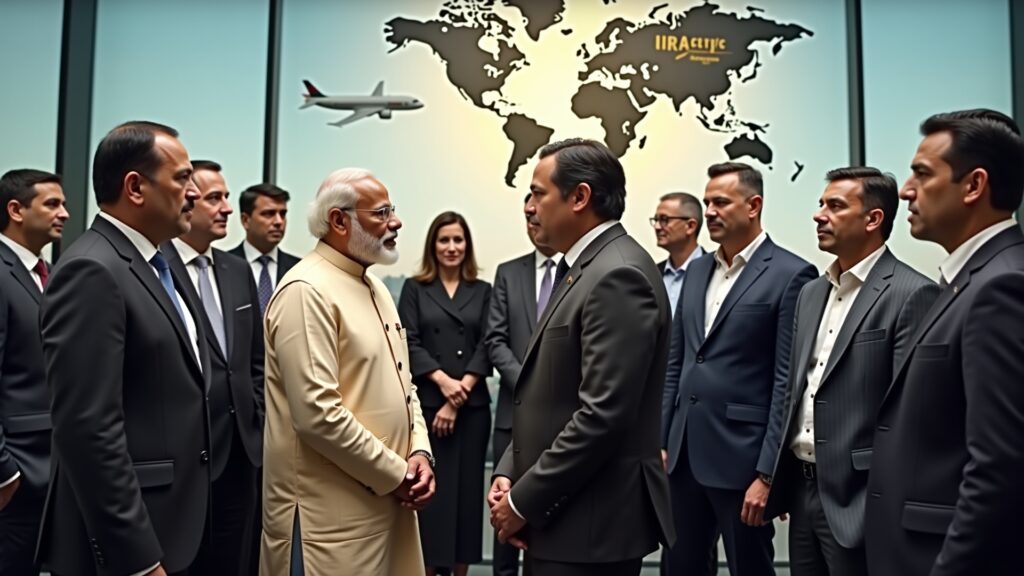
- Sports Diplomacy and Market Expansion: Bilateral cricket series bolster diplomatic ties and align with broader tourism policies encouraging cross-border collaboration and investment.
Strategic Industry Insights
This postponement exemplifies a growing trend where tourism and sports industries converge to prioritize events with maximum commercial and experiential yield. Cities in India are benefitting from lifecycle increases in not just visitor influx but enhanced ancillary services, including MICE (Meetings, Incentives, Conferences, and Exhibitions) tourism.
“In tourism, demand matters — but destination readiness is what converts interest into durable growth.” This underscores the imperative for coordinated planning that encompasses event organizers, hospitality chains, transportation authorities, and tourism boards to craft seamless experiences.
Practical Takeaways for Tourism Leaders
- Integrate sports event calendars into your demand forecasting and capacity planning models.
- Prioritize infrastructure upgrades and service innovations that elevate visitor experiences during high-impact events.
- Enhance cross-sector collaboration between tourism, aviation, and sports management to optimize returns.
- Leverage bilateral sports diplomacy as a platform for sustainable tourism market expansion.
- Invest in digital and travel technologies to capture and convert premium sports travel demand efficiently.
Expert Perspective
“The real edge is not only in attracting visitors, but in building experiences, infrastructure, and trust that keep them coming back.”
“When connectivity, hospitality quality, and destination strategy align, tourism growth becomes far more sustainable.”
Risks, Challenges, and Considerations
While leveraging marquee sports events presents major opportunities, you must also weigh risks: overdependence on event-led peaks can strain infrastructure if not planned sustainably. Moreover, shifting schedules can disrupt destination readiness and stakeholder coordination. Careful scenario planning and investment in diversified tourism assets are necessary to mitigate volatility.
What You Should Watch Next
Keep an eye on the finalization of the India series schedule, the marketing efforts tied to the matches, and accompanying infrastructure investments. Also, observe how Ireland adjusts its cricket and tourism strategy post-postponement—this will offer insight into managing shifts in an increasingly competitive regional tourism landscape.
Conclusion
You must view Bangladesh’s postponement of its Ireland cricket tour through the lens of the evolving relationship between sports and tourism economics in South Asia. This shift demonstrates a clear prioritization of markets with greater commercial, infrastructural, and diplomatic benefits, notably India’s cricket-driven tourism economy. For your tourism, hospitality, or connectivity business, recognizing and responding to these evolving priorities will be critical to capturing maximum value and positioning your destination or brand at the forefront of regional growth.
The Bangladesh cricket tour impact on tourism is a vivid example of how sports can serve as a lever for premiumisation, infrastructure improvement, and sustainable market expansion in an interconnected tourism ecosystem.