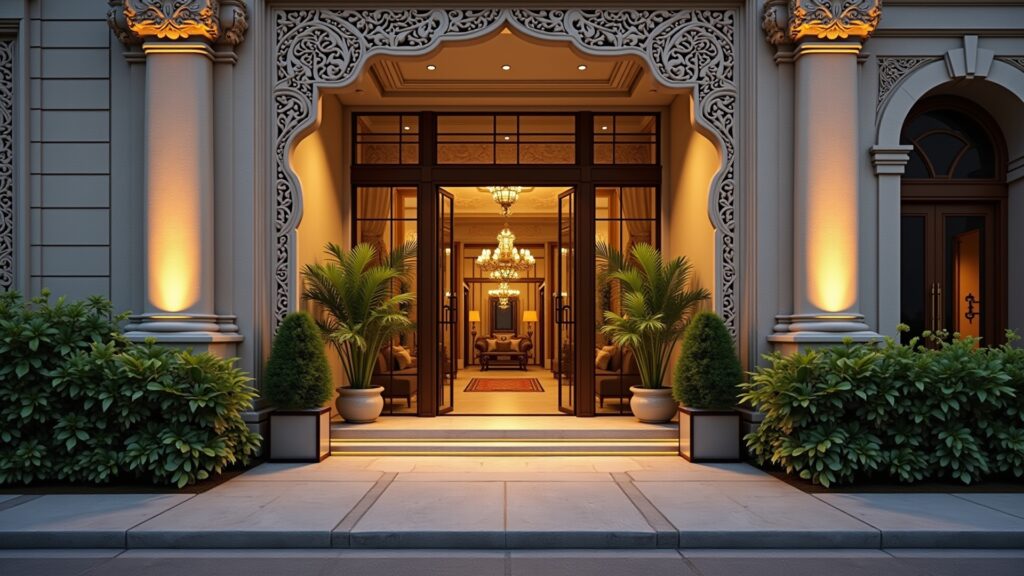
As a stakeholder in the evolving landscape of Indian luxury hospitality and destination development, you need to closely examine IHCL’s recent expansion with the Claridges Collection in Lucknow. This strategic move is more than just an addition to IHCL’s portfolio; it’s a deliberate lever shaping the economic lift and tourism transformation of a key North Indian city. Whether you lead a hospitality brand, manage a tourism bureau, or invest in travel infrastructure, understanding the nuances of this development is critical to positioning your business or strategy for the new wave of premium travel in emerging Indian markets.
Why IHCL’s Claridges Expansion Matters to You
Your tourism business or investment stands to gain from IHCL’s foresight in targeting Tier-2 cities like Lucknow, a market fast gaining traction due to rising domestic travel and disposable incomes. This expansion reflects a broader industry shift that acknowledges the economic and experiential potential outside the megacity cores. For you, this represents fresh opportunities in luxury hospitality, destination branding, and integrated tourism ecosystem growth. The move signals how luxury brands can unlock new segments, optimize revenue streams, and encourage ancillary economic activities in untapped regions.
Decoding the Claridges Collection Initiative in Lucknow
IHCL’s Claridges Collection, known for its rich heritage and luxury service standards, is now redefining Lucknow’s hospitality scene. This strategic expansion aligns with demographic shifts, traveler expectations, and evolving patterns of experiential tourism encompassing culture, heritage, and quality living. The launch is not just about introducing a luxury hotel; it’s about engraving a premium hospitality benchmark that supports the city’s emerging role as a lifestyle and tourism hub.
Business and Regional Impact: More Than a Hotel Opening
The Claridges Collection in Lucknow acts as an economic catalyst. Beyond direct hotel operations, it stimulates employment, retail growth, service sectors, and urban infrastructure enhancements like transportation. Your grasp on the interplay between luxury hospitality and regional economic growth will be vital to designing partnerships or investment plans that tap into this ripple effect. This development also advances socio-economic upliftment, a non-negotiable pillar for sustainable tourism and community integration.
Strategic Insights for Hospitality Leaders and Investors
The significance of tier-2 destinations in India’s luxury segment is only growing. Your ability to pivot strategies—whether for operational efficiency, service innovation, or brand positioning—will differentiate your offering in a competitive market. Lucknow’s increasing connectivity through airport upgrades and aviation route expansions creates a tangible boost in access, positioning properties like Claridges to capitalize on improved ADR (Average Daily Rate) and RevPAR (Revenue per Available Room) metrics.
“In tourism, demand matters — but destination readiness is what converts interest into durable growth.”
Practical Takeaways for Your Business or Investment Strategy
- Recognize tier-2 cities as growing luxury travel destinations with immense untapped potential.
- Prioritize integrated planning that includes community engagement and sustainability alongside hospitality expansion.
- Enhance your value proposition by blending cultural authenticity with premium service standards.
- Monitor infrastructure projects and policy frameworks that support accessibility and traveler convenience.
- Forge ecosystem partnerships across retail, transport, and cultural sectors to amplify ancillary revenue channels.
Expert Perspectives on Luxury Expansion and Destination Development
“When connectivity, hospitality quality, and destination strategy align, tourism growth becomes far more sustainable.”
“The real edge is not only in attracting visitors, but in building experiences, infrastructure, and trust that keep them coming back.”
Risks and Challenges to Evaluate
Despite the promising outlook, you must stay vigilant about potential challenges: volatility in traveler sentiment, economic fluctuations affecting discretionary spending, and the delicate balance between rapid tourism growth and carrying capacity limits. Avoiding over-dependence on a singular urban market and ensuring alignment with broader regional development policies will be key to sustaining returns on investment and brand equity.
What to Watch Next in the Tourism and Hospitality Sector
Keep an eye on how the Claridges Collection influences market benchmarks in occupancy and revenue metrics across Tier-2 destinations. Watch for evolving government policies around tourism infrastructure and incentives that can unlock further growth. Also, track competitor movements and partnership models that redefine premium and experiential travel services in emerging cities.
Conclusion: Position Yourself at the Forefront of Tier-2 Luxury Tourism Growth
The IHCL Claridges Collection Lucknow expansion is a clear harbinger of how luxury hospitality can drive economic vitality and destination prestige outside traditional metropolitan centers. For you, this is a call to recalibrate strategies—whether in investment, operational focus, or destination development—to harness the unique advantages of emerging Indian luxury markets. Study this model closely, as it offers invaluable insights into fostering sustainable, premiumisation-led tourism growth in secondary cities poised for global recognition.
Focus on integrated planning, community-centric growth, and connectivity enhancements will define the success stories of tomorrow’s tourism leaders.