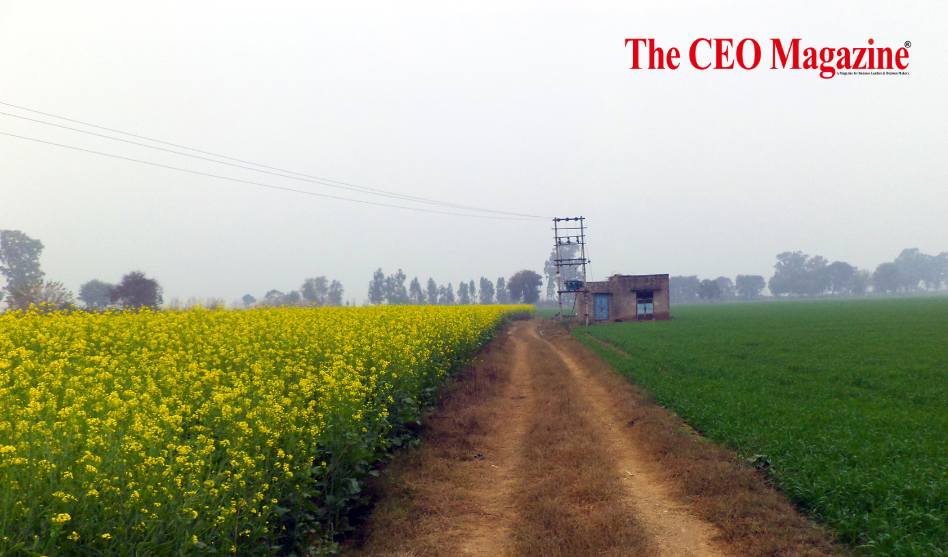
With each village I explore I find how India’s rural landscapes teach sustainable living and offer immersive culture; I guide you to places where authentic village life, locally led homestays and hands-on craft experiences reshape travel expectations. I will alert you to seasonal road closures and limited medical access so you plan safely, and show how your visit can deliver direct benefits to local livelihoods while keeping impact minimal.
Key Takeaways:
- Authentic cultural immersion — villages offer homestays, traditional crafts and festivals for firsthand experience of local life.
- Nature-driven simplicity — scenic landscapes and slow-travel rhythms provide peaceful retreats away from urban bustle.
- Community-led, sustainable tourism — small-scale initiatives support local livelihoods and encourage responsible travel practices.
The Allure of Rural Tourism
I find the pull of rural tourism lies in its tangible contrasts: you trade crowds for quiet fields, and branded shops for home-cooked meals. With 68.84% of India’s population living in rural areas, villages like Mawlynnong (declared Asia’s cleanest village in 2003) and Khonoma (community forest conservation since 1998) show how local stewardship becomes a visitor draw. At the same time, overtourism risks—pressure on water, waste and cultural fabric—can be immediate if infrastructure and governance lag.
Definition and Concept
I define rural tourism as immersive travel into living villages where you stay in homestays, join farm work, learn crafts, or attend festivals; typical formats include homestays, agri‑tourism, craft workshops and guided village walks. In practice I see operators pairing village hosts with urban markets and travel platforms, and local self‑help groups running homestays to create direct income while offering authentic, participatory experiences.
Benefits of Rural Tourism
I observe three clear benefits: economic diversification beyond farming, tangible cultural preservation, and incentives for environmental protection. For example, Khonoma leveraged eco‑tourism to fund biodiversity guards, while Mawlynnong’s visitor interest spurred community sanitation projects. You gain hands‑on heritage experiences; villages gain new livelihoods and reasons to maintain traditions rather than abandon them for cities.
I also note practical levers that drive those benefits: community‑run homestays, transparent revenue sharing, guest fees earmarked for maintenance, and targeted training for hosts. When I advise projects I push for basic waste management, visitor caps during festivals, and skills training so women and youth can run enterprises—measures that convert tourist interest into durable income and ecological gains.
Village 1: Ziro Valley, Arunachal Pradesh
I first went to Ziro at about 1,500 m elevation and found a landscape of pine-clad hills and patchwork Apatani terraces that feel frozen in time. You reach it after a scenic 5–6 hour drive from Itanagar, and the valley’s rhythm is set by wet rice cultivation and the annual Ziro Festival, which draws over 5,000 visitors each September. I recommend staying in a homestay to see the irrigated paddies and communal bamboo structures up close.
Cultural Significance
I value Ziro for the Apatani people’s land-use system — a rare wet rice–fish integration with communal canals and polder-like fields. You can observe rituals during the Dree festival in July, and the Apatani Cultural Landscape is listed on UNESCO’s tentative list, reflecting centuries of ecological knowledge. I often point out how houses, social taboos, and woven textiles encode this community’s identity and environmental governance.
Attractions and Activities
I suggest village walks through Hong and Hari to watch terrace farming, and birdwatching along pine ridges where you might spot verditer flycatchers and other Himalayan species. You can join the Ziro Festival for indie music and craft stalls, hire local guides for half-day treks, or book homestays from around INR 500 per night. I caution that roads become treacherous in the monsoon, so plan travel outside heavy rains.
I’ve taken a 2–3 hour loop from Ziro town to older Apatani hamlets that includes a visit to terraced paddy systems and a communal water channel; expect gentle climbs and many photo stops. You can also do full-day treks into nearby Talley Valley for rhododendron blooms, arrange birding with local naturalists for targeted sightings, or coordinate homestay cooking sessions to learn paddy recipes — practical ways to engage with the valley’s rhythms and support local livelihoods.
Village 2: Khonoma, Nagaland
Sustainable Practices
I witnessed Khonoma transform after villagers instituted a hunting ban in 1998, creating the Khonoma Nature Conservation and Tragopan Sanctuary of roughly 25 km². You see community patrols, village-council fines, and organic terrace farming supplying local homestays; eco-fees and guide charges fund reforestation and anti-poaching. I often book a family-run homestay, knowing my stay directly supports the village’s conservation model that has measurably reduced hunting and boosted wildlife sightings.
Natural Beauty
Walking Khonoma’s trails I found mossy montane forests studded with rhododendrons and orchids, and frequent reports of the endangered Blyth’s tragopan within the sanctuary. You get sweeping views of rolling Naga hills, patchwork rice terraces and mist-laced valleys at sunrise; however, the steep trails and sudden weather shifts demand sturdy shoes and local guidance for safe exploration.
I usually take a 2–4 hour guided loop that threads through the 25 km² reserve, where local guides point out medicinal plants, native orchids and a variety of resident birds; your chance of seeing rare species increases with an early start. Families run homestays offering smoked pork and fermented soybean (axone), and modest eco-fees fund patrols and sapling planting—making each visit both scenic and directly beneficial to conservation.
Village 3: Gokarna, Karnataka
I often tell visitors Gokarna marries pilgrimage and surf—home to the ancient Mahabaleshwar Temple that holds the Atmalinga (over 1,000 years old), and a coastline of Om, Kudle, Half Moon and Paradise beaches. You can attend a sunrise aarti, then hike a scenic 2–3 hour coastal trail between beaches. During Maha Shivaratri the town swells by thousands, yet most days it keeps a laid-back, backpacker-friendly rhythm with simple homestays and beach shacks.
Spiritual and Scenic Appeal
At the heart lies the Mahabaleshwar Temple; I visit early to see the Atmalinga before pilgrims arrive. Walks along the Om-shaped bay and rocky promontories reveal hidden coves; the beach-to-beach trek from Kudle to Paradise takes about 2–3 hours and offers panoramic views. You should note that some stretches have strong currents, so I avoid swimming alone and stick to calmer coves for sunset photography and quiet reflection.
Local Cuisine
Seafood dominates menus—I order a Konkan fish thali with pomfret or bombil and coconut-tamarind curry most nights. Solkadhi (kokum-coconut drink) accompanies meals; street shacks and beach cafes serve thalis for about ₹150–350. You can also find vegetarian fare like neer dosa and rice-based curries in local homestays. Pick places where you see the day’s catch on display, since freshness makes the biggest difference to flavour and food safety.
I often join a homestay family for lunchtime fish curry made with coconut and kokum; homestay meals typically cost ₹120–250 and showcase recipes passed down generations. For grilled seafood head to Om Beach shacks that charcoal-grill pomfret and serve crisp bombil fry. If you’re sensitive to heat, ask for mild—local curries use generous red chilies—and choose busy stalls as a quick proxy for hygiene and freshness.
Village 4: Majuli, Assam
I walk the clay lanes of Majuli and see why it’s famed as one of the world’s largest river islands, anchored by >60 Vaishnavite satras that keep centuries-old crafts alive. You can watch potters, mask-makers and weavers at work; I often point out how annual Brahmaputra erosion reshapes the island, washing away fields and villages, while satras like Auniati and Dakhinpat preserve the island’s spiritual and cultural core.
Unique Ecology
I notice Majuli’s riverine wetlands and river plains host rich biodiversity: hundreds of resident and migratory birds, floodplain grasses, and reedbeds that support fisheries and crafts. You should look for the greater adjutant stork and other waders in winter, but be aware that seasonal floods and bank erosion continually alter habitats and livelihoods, forcing communities to adapt their agriculture and homestead locations.
Festivals and Traditions
I attend the island’s vibrant festivals—especially the Raas celebrations staged in satras—where Sattriya dance, mask performances and communal feasts draw thousands. You’ll see devotional dramas (Ankiya Naat), hand-made masks and ritual music; the living traditions here turn religious observance into public theatre that sustains craft economies and religious tourism.
Looking closer, I can name satras—Auniati, Dakhinpat, Garamur, Kamalabari—that host multi-day rituals and performances founded on Srimanta Sankardeva’s 15th–16th century neo-Vaishnavite movement. I’ve observed Raas events combining choreography, storytelling and masks; the Mishing community’s Ali Aye Ligang and seasonal boat races add ethnic diversity, while these festivals directly support artisans by generating orders for masks, textiles and pottery.
Village 5: Chikmagalur, Karnataka
I explore Chikmagalur for its cool hills, coffee aroma and the Baba Budan Giri–Mullayanagiri range, where Mullayanagiri rises to 1,930 m. You can stay in estate homestays, walk misty trails between spice groves and watch local farmers sort beans by hand. I find the village’s mix of colonial-era estates and smallholder plots gives you an intimate view of Karnataka’s coffee heritage while offering easy access to waterfalls and wildlife corridors.
Coffee Plantations
I walk under shade-grown Arabica canopies planted where Baba Budan introduced coffee in the 17th century, and you can join estate cupping sessions to taste single-origin lots. Many plantations around the town still use wet processing in small units, so I often see workers hand-sorting cherries and drying beans on raised beds, which directly impacts cup quality and estate pricing.
Adventure Opportunities
I hike to Mullayanagiri—the state’s highest peak at 1,930 m—bike forest roads and take jeep safaris into nearby reserves where you may spot elephants or sambar. Trails vary in steepness and become slippery in monsoon, so I always hire a local guide and pack sturdy boots and a rain shell.
I recommend the post-monsoon window (October–February) for clearer trails and visibility. You can combine a sunrise trek to Mullayanagiri with a jeep safari in Bhadra or a guided waterfall route to Hebbe and Bhadra Falls; I book licensed operators for safaris and guides for technical sections, and I prioritize early-morning starts to maximize wildlife sightings and avoid afternoon fog.
To wrap up
Now I see how these 10 rural tourism villages in India strip travel to importants, offering quiet rhythms, living heritage and hands-on hospitality. I urge you to let your itinerary slow down, stay with locals, taste regional cuisine and learn crafts; your trip will redefine simplicity and deepen how you value place and people.
FAQ
Q: How do I choose which of the 10 rural tourism villages in India to visit and what unique experiences can I expect from each?
A: Choose by matching your interests (mountain treks, tribal culture, agriculture stays, craft workshops, backwater life) and logistics (region, travel time, season). Himalayan villages offer panoramic trekking and yak/horiculture experiences; Western Ghats and Nilgiri hamlets focus on coffee estates, spice farms and birding; coastal and Kerala backwater settlements give fishing, canoe rides and houseboat culture; Rajasthan or Gujarat villages highlight desert life, camel safaris and textile crafts; Northeast villages showcase tribal festivals, weaving and organic farming. Check accessibility, typical stay length (2–4 nights per village), and whether homestays, community lodges or campsite options suit your comfort level.
Q: What practical planning and safety tips should I follow before and during a stay in these rural villages?
A: Book transport to the nearest town first (train/flight), then arrange the last-mile by local taxi, shared jeep or bus; confirm homestay or guesthouse availability in advance, especially during festivals; carry cash as ATMs may be scarce and keep copies of ID for any permits; check if forest or border permits are needed for protected or sensitive areas; pack basic medicines, water purification tablets, sturdy footwear and layered clothing for variable weather; inform hosts of dietary restrictions beforehand; keep emergency contact details of local authorities and your embassy if applicable; respect local safety advice about trekking routes, wildlife, monsoon hazards and seasonal road closures.
Q: How can I ensure my visit supports the local community and respects cultural norms?
A: Prioritize locally owned homestays, guides and eateries to keep tourism revenue in the community; buy crafts directly from artisans and ask about production methods to value their work; seek permission before photographing people or private homes; dress modestly according to local customs and remove shoes at designated places of worship; follow waste management guidance, avoid single-use plastic, and carry out litter; stick to marked trails and agricultural boundaries to avoid damaging crops; participate in community-led activities or volunteer programs vetted by local organizations rather than unsolicited donations; tip appropriately and communicate with respect to build positive, long-term relationships.