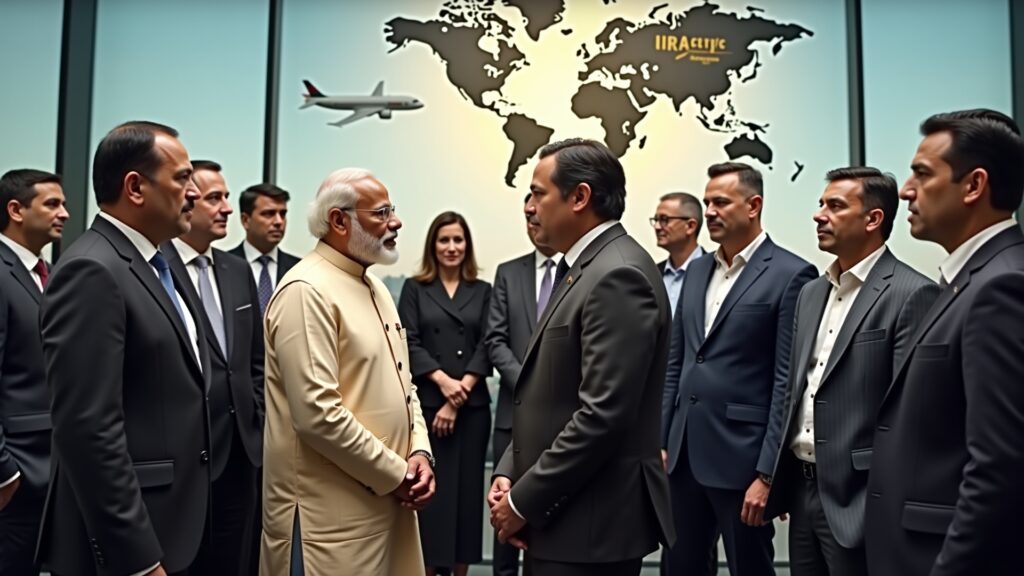
You are operating in a tourism ecosystem where operational costs, connectivity, and pricing power heavily influence your destination’s competitive edge. India’s bold decision to reduce excise duty on fuel doesn’t just offer transient consumer relief—it opens a strategic window for you to rethink how tourism business models, aviation routes, and hospitality investments can evolve in some of the country’s most iconic destinations like Goa, Rajasthan, and Kerala.
Why This Development Matters to You
If your business or investment portfolio touches any segment of India’s tourism economy—be it aviation, luxury hotels, destination management, or connectivity infrastructure—this excise duty cut signals a vital opportunity. Fuel costs have persistently tightened margins across aviation, ground transport, and operational logistics, dampening travel demand and thus stalling long-term growth prospects.
By easing fuel-related expenses, this policy effectively reduces one of the structural cost inputs that shape airfare pricing, hospitality logistics, and even experience delivery. You stand to benefit from a more resilient demand landscape, enabling you to optimize pricing strategies, accelerate infrastructure investments, and better tailor offerings to emerging, price-sensitive markets.
What Exactly Is Happening?
The Indian government has enacted an excise duty cut on fuel, aiming to shield consumers from rising energy prices. Although primarily framed as a consumer protection measure, the ripple effects of this move extend distinctly into the strategic fabric of the tourism industry. Aviation fuel costs, a dominant component of airlines’ expenditure, are now relatively less burdensome, making domestic and inbound travel more accessible.
Destinations like Goa, celebrated for its beach tourism; Rajasthan, rich in heritage and culture circuits; and Kerala, the wellness and spiritual tourism hub, are particularly positioned to capitalize. Lower fuel prices can reduce the cost of last-mile connectivity, ground transportation, and longer-haul flights, which are critical access points for thriving tourism ecosystems.
Key Business and Market Impacts
- Airline and Aviation Sector: Fuel excise cuts can help temper volatile fuel surcharges and stabilize airfares, which encourages domestic travel and international connectivity expansion to underserved regional airports.
- Hospitality and Destination Infrastructure: Reduced transportation costs may improve hotel occupancy rates and support ancillary revenue streams, including luxury and wellness tourism, experiential travel, and MICE (meetings, incentives, conferences, and exhibitions) events.
- Destination Development and Visitor Economics: You’ll observe enhanced visitor flow sustainability, especially with rising demand from price-sensitive Tier-2 and Tier-3 cities. This widens your market base beyond metropolitan travelers.
- Investment Climate: The excise cut signals a pro-growth regulatory environment poised to attract capital into runway expansions, airport infrastructure, hospitality real estate, and technology-enabled travel services.
Strategic Insights for Long-Term Positioning
This policy recalibration aligns closely with India’s broader tourism agenda, which balances competitive pricing with sustainability and infrastructure readiness. By leveraging these fuel cost savings, you can contribute to enhanced destination accessibility—a core determinant of travel demand elasticity.
Consider this adjustment a catalyst for recalibrating your strategic priorities around premiumisation and differentiation. You can harness improved cost structures to elevate guest experiences through technology adoption, personalized services, and high-value experiential tourism products.
“In tourism, demand matters — but destination readiness is what converts interest into durable growth.”
For aviation and connectivity leaders, the new landscape supports route rationalization and expansion strategies designed for agility and scalability, key to integrating emerging and established tourist hotspots into global networks.
Practical Takeaways for Tourism Stakeholders
- Monitor evolving fuel price trends and government policy adjustments closely to anticipate cost structure shifts.
- Reassess your pricing and packaging strategies to capitalize on potentially lower travel costs for consumers, especially in emerging domestic markets.
- Invest strategically in connectivity infrastructure and last-mile transport services, maximizing the impact of lower fuel costs on traveler accessibility.
- Explore partnerships and capital investments that leverage the positive regulatory sentiment to scale operations and enhance destination readiness.
- Focus on integrating sustainable practices alongside cost-efficiency measures to future-proof tourism assets amid environmental and economic uncertainties.
Expert Perspectives on Changing Tourism Economics
“The real edge is not only in attracting visitors, but in building experiences, infrastructure, and trust that keep them coming back.”
“When connectivity, hospitality quality, and destination strategy align, tourism growth becomes far more sustainable.”
Risks and Cautionary Notes
While the excise duty cut offers notable advantages, the broader fuel price volatility and global geopolitical uncertainties still pose challenges. You should be wary of short-term gains that might obscure the need for sustained infrastructure and service quality improvements.
Furthermore, without parallel investments in destination readiness, last-mile connectivity, and hospitality capacity, cost reductions alone might not translate into meaningful visitor growth or revenue uplift.
What You Should Watch Next
Keep an eye on the following developments to navigate this evolving landscape strategically:
- Government announcements around further fiscal incentives or tourism infrastructure funding.
- Aviation sector moves on expanding regional connectivity and emerging route networks.
- Investment flows into hospitality technology and premium experience delivery platforms.
- Booking behavior in Tier-2 and Tier-3 cities, which will signal shifts in demand patterns.
- Industry collaborations or policy frameworks supporting sustainable and responsible tourism growth.
Conclusion
India’s fuel excise duty cuts create a tangible opportunity for you to rethink and revitalize your tourism and hospitality strategies in some of the nation’s most iconic destinations. Far beyond mere cost relief, this policy pivots tourism’s economic dynamics towards improved connectivity, accessibility, and competitiveness.
By integrating these policy shifts thoughtfully into your business and destination development plans, you contribute to a more resilient, sustainable, and premium tourism industry—one that attracts discerning travelers, inspires lasting investments, and secures India’s stature on the global tourism stage.
Main Keyword: India fuel excise duty cuts tourism impact