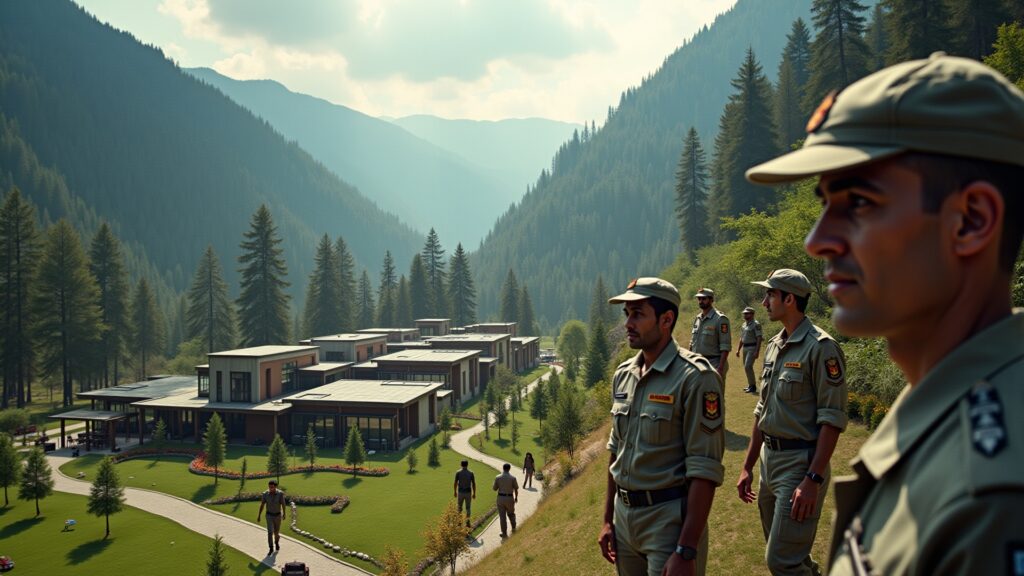
As someone vested in the future of tourism business, hospitality innovation, or strategic destination development, you cannot overlook the critical shifts unfolding in Pahalgam. The emergence of ‘militarised’ tourism here signals far more than short-term security measures—it represents a complex crossroads for sustainable growth, brand positioning, and economic viability in one of India’s most spiritually and naturally esteemed destinations.
Why This Matters to You
If your focus is on premium tourism, destination branding, or infrastructure investment, understanding the nuances of militarised tourism in Pahalgam is essential. This phenomenon alters visitor perception and experience in a manner that directly affects occupancy trends, average daily rates, and overall revenue metrics for hotels and tourism enterprises. For destination planners and policymakers, it underscores the critical challenge of balancing security imperatives with a narrative that invites authentic, tranquil, and immersive visitor engagements.
What Is Happening in Pahalgam?
Pahalgam, known for its pristine Himalayan landscapes and rich spiritual heritage, now finds itself navigating the unintended consequences of sustained military presence. Post a year of notable political and security tensions, militarisation has shaped a tourism environment marked by palpable visitor unease and subdued activity. This environment transforms the destination’s brand perception, pivoting it from serene spiritual retreat to a security-fortified zone, which can be incongruent with the expectations of premium and wellness-seeking travelers.
Impact on Business and Destination Economics
The ramifications for your business or investments here are tangible. Increased military visibility often leads to softened brand appeal in luxury and experience-driven tourism segments. Consequently, you may observe downward pressure on hotel occupancy ratios, average daily rates (ADR), and revenue per available room (RevPAR). The traditional halo of peaceful, spiritual tourism is clouded by heightened security visibility, compelling you to rethink hospitality marketing, operational readiness, and product innovation.
Aviation and ground connectivity enhancements, which typically serve as growth accelerators, risk becoming double-edged swords if destination messaging fails to match infrastructure investments. Increased access without a curated visitor experience strategy may usher in volume-driven tourism that strains local ecosystems, reduces visitor satisfaction, and eventually undermines long-term tourism quality benchmarks.
Strategic Insights: Navigating Militarised Tourism
Building resilience in this ‘militarised’ context requires a multifaceted approach that blends security with sustainable growth imperatives. Here’s what leaders like you should consider:
- Innovate Destination Messaging: Reinforce Pahalgam’s authentic spiritual and wellness narrative to counterbalance the militarised landscape. Develop distinctive, experiential tourism products emphasizing tranquility despite security realities.
- Integrate Stakeholder Collaboration: Bring together security agencies, hospitality operators, tourism boards, and local communities to craft governance models that prioritize visitor safety while maintaining destination appeal.
- Leverage Technology: Deploy digital platforms for personalized visitor engagement and real-time information on security protocols, improving confidence without compromising experience.
- Calibrate Investment Focus: Prioritize infrastructure and hospitality upgrades that elevate quality and sustainability rather than volume, protecting Pahalgam’s ecological and cultural assets.
“In tourism, demand matters — but destination readiness is what converts interest into durable growth.”
“The real edge is not only in attracting visitors, but in building experiences, infrastructure, and trust that keep them coming back.”
Practical Takeaways for Tourism Leaders and Investors
- Understand the Shift: Militarised tourism shifts visitor perception; anticipate its impact on demand metrics and guest experience.
- Monitor Connectivity and Messaging: Ensure that enhancements in transport access are accompanied by refined destination branding to avoid volume at the expense of quality.
- Invest in Sustainable Hospitality: Focus investments on premium, wellness-oriented offerings that align with Pahalgam’s core strengths and evolving traveler expectations.
- Collaborate Across Sectors: Foster partnerships across security, hospitality, and local governance to harmonize visitor safety with destination vibrancy.
Risks and Challenges to Consider
While security is non-negotiable, the risk lies in militarisation defining the tourism narrative, deterring high-value segments, and commoditizing the destination into mere volume-based tourism. If unchecked, this can accelerate environmental degradation, community disenfranchisement, and brand dilution. You must anticipate these risks and push for balanced policies that protect both people and profits.
What Should You Watch Next?
Pay close attention to policy reforms integrating security with tourism ecosystem development. Watch for innovations in technology-driven visitor management at Pahalgam and similar sensitive destinations. Also, track investment trends emphasizing premium, wellness, and experiential tourism to see how the market recalibrates post-militarisation.
Conclusion: Repositioning Pahalgam for Sustainable Growth
Militarised tourism in Pahalgam is more than a temporary security measure—it is a strategic inflection point demanding adaptive, forward-thinking leadership. By balancing safety with authentic visitor experiences, embracing technology, and focusing investments on quality over quantity, you can help reposition Pahalgam as a secure, serene, and economically sustainable destination. This delicate interplay between geopolitics and tourism economics offers broader lessons for managing politically sensitive destinations in India and beyond.
“When connectivity, hospitality quality, and destination strategy align, tourism growth becomes far more sustainable.”