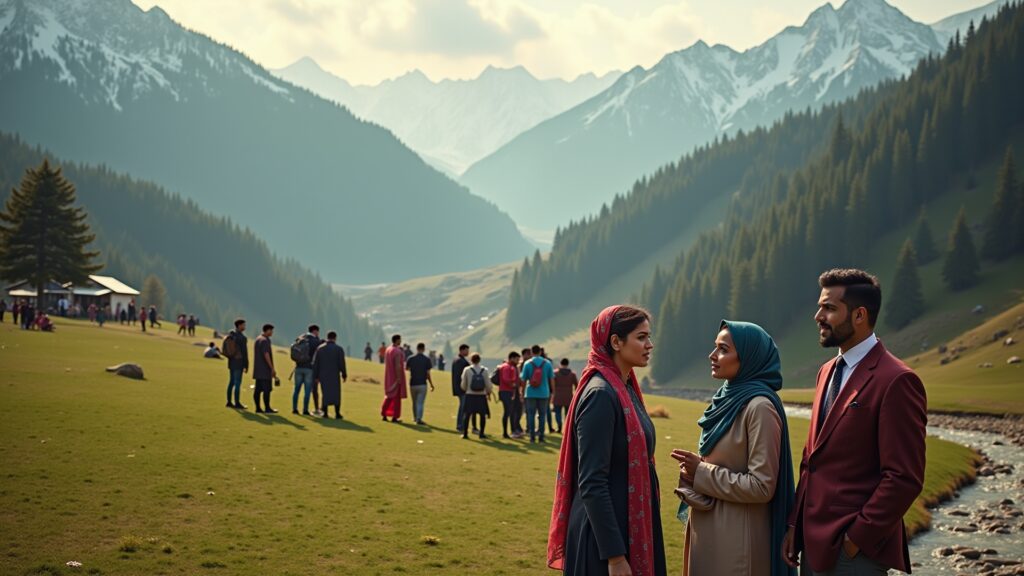
As a leader or stakeholder in the tourism industry, you understand that stability and perception shape destination success almost as much as natural beauty or hospitality offerings. The Pahalgam attack—a shocking event that disrupted one of Kashmir’s prime spiritual and leisure tourism hubs—remains a poignant reminder of how fragile tourism ecosystems can be in conflict-sensitive regions. For your tourism business, destination strategy, or investment portfolio, appreciating the deep and ongoing impact of this incident on Kashmir’s tourism economy is essential for navigating recovery and future growth.
Why This Matters to You
The ripple effects of the Pahalgam attack extend beyond tragic headlines—they directly influence traveler confidence, occupancy rates, investor sentiment, and regional economic stability. If you are involved in hotel management, destination development, aviation connectivity, or tourism investment, you must grasp how such crises alter market dynamics. Your strategic decisions today, from marketing focus to infrastructure investment and product diversification, need to factor in the lessons from Pahalgam’s aftermath to build resilience against instability.
What Is Happening in Kashmir’s Tourism Sector?
One year on, Kashmir’s tourism industry is still confronting trauma and the security challenges triggered by the Pahalgam attack. Despite concerted efforts to revive travelers’ trust, the region’s hospitality sector continues to report softer occupancy and constrained pricing power. International traveler footfall remains cautious, while domestic tourism patterns are shifting towards more risk-averse segments, especially from Tier-2 and Tier-3 Indian cities. Meanwhile, destination developers and policymakers are under pressure to create safer, more diversified tourism products to dilute the impact of such shocks.
Key Business Implications for Hospitality and Destination Development
The Pahalgam attack has forced hospitality executives to rethink revenue management and marketing strategies. Hotels, particularly in luxury and experiential segments, face the challenge of balancing premium positioning with addressing safety apprehensions among guests. This requires re-engineering customer acquisition channels, emphasizing domestic markets where traveler confidence is more attainable.
From a destination development perspective, there is a strategic imperative to enhance infrastructure resilience and safety protocols. Investments in emergency response, surveillance, and traveler communication systems become critical in stabilizing the tourism ecosystem. Expanding into wellness travel, pilgrimage tourism, and cultural experiences not only broadens Kashmir’s appeal but also creates multiple layers of demand less susceptible to localized disturbances.
The Role of Connectivity and Travel Technology in Recovery
Connectivity remains a cornerstone in Kashmir’s recovery narrative. Improvements in aviation routes and airport facilities directly influence accessibility, a key factor in destination competitiveness, especially post-crisis. You should monitor how air links evolve because seamless travel pathways mitigate travelers’ perceived risk and inconvenience.
Complementing physical connectivity, digital travel platforms serve as vital trust-builders. Transparent communication through real-time updates, cancellation policies, and safety advisories are now indispensable in winning back hesitant visitors. Leveraging technology not only enhances traveler experience but also provides stakeholders with data-driven insights to adapt quickly in volatile environments.
Strategic Outlook and Long-Term Growth Opportunities
The lessons from the Pahalgam attack highlight that embedding crisis management within your growth frameworks isn’t optional—it’s essential. Focusing on resilient infrastructure, inclusive community engagement, and product diversification underpin sustainable tourism economics. Investors and tourism boards must champion these pillars to future-proof Kashmir’s market position and attractiveness.
“In tourism, demand matters — but destination readiness is what converts interest into durable growth.”
“The real edge is not only in attracting visitors, but in building experiences, infrastructure, and trust that keep them coming back.”
Practical Takeaways: What You Should Prioritize
- Understand Traveler Segmentation: Target emerging domestic travelers from Tier-2 and Tier-3 cities who show resilience and growing interest post-crisis.
- Invest in Safety and Infrastructure: Upgrade emergency protocols, security measures, and enhance digital communication channels to boost traveler confidence.
- Diversify Tourism Offerings: Cultivate wellness, spiritual, cultural, and experiential tourism products to reduce dependency on any single segment.
- Enhance Connectivity: Support aviation and transport expansions to ensure effortless access, a competitive advantage in sensitive regions.
- Embed Crisis Preparedness: Develop risk management strategies integrated into business and destination planning to mitigate future shocks.
Risks and Challenges Ahead
The path to recovery is complex and laden with risks. Ongoing geopolitical sensitivities could trigger fresh disruptions. Sustained negative perceptions may dampen investment appetite and slow infrastructure development. Overreliance on domestic markets also presents vulnerability if economic conditions or travel sentiment shifts. You need to anticipate these factors and foster agility in your strategies.
What You Should Watch Next
Keep a close eye on policy reforms aimed at tourism facilitation, infrastructure investments announced by local and central governments, and shifts in aviation connectivity. Monitor traveler sentiment trends through data analytics and market research to adapt marketing and product strategies in real-time. Lastly, watch for innovation in travel technology platforms that enhance transparency and crisis communication—tools vital for securing traveler loyalty in fragile markets.
Conclusion: Positioning Kashmir for Sustainable Tourism Growth Post-Pahalgam Attack
Your role in Kashmir’s tourism ecosystem means confronting the complex relationship between security, business confidence, and destination competitiveness head-on. The Pahalgam attack’s impact on Kashmir tourism underscores the urgent need for strategies that prioritize resilience, diversification, and technological adoption. By aligning infrastructure improvements, community engagement, and connectivity enhancements with savvy marketing and risk management, you can help transform Kashmir into a durable, high-value tourism destination, ready to withstand challenges and thrive sustainably.
“When connectivity, hospitality quality, and destination strategy align, tourism growth becomes far more sustainable.”