As a leader or stakeholder in the tourism and hospitality sectors, you understand how critical destination identity is to growth and profitability. The recent proposal to rename the hill station of Lansdowne in Uttarakhand to Jaswant Garh raises important questions about the consequences of such a change on your tourism business, investment strategies, and long-term destination development plans. This is not simply a matter of nomenclature but a strategic pivot with potential implications for brand equity, visitor perception, and economic performance.
Why This Matters to You
If your business or investment focus lies in Uttarakhand or similar niche destinations, the Lansdowne renaming debate underscores the delicate balance between cultural heritage and commercial viability. As you work to attract discerning travelers—especially from growing Tier-2 and Tier-3 domestic markets—destination memorability and consistent branding are essential. Altering a well-established name like Lansdowne could disrupt your marketing momentum, impact visitor loyalty, and influence occupancy rates and revenue streams for hotels and resorts.
What Is Happening
The proposal to rename Lansdowne, a colonial-era hill station with a distinct identity, after Jaswant Singh Rawat, an Indian war hero, has generated spirited discussion among political and tourism stakeholders. While the move aims to honor a national icon, senior BJP MLA voices caution that such a renaming could negatively impact tourism. This pushback highlights the tension between political symbolism and pragmatic economic considerations shaping destination branding decisions.
Key Business and Market Impact
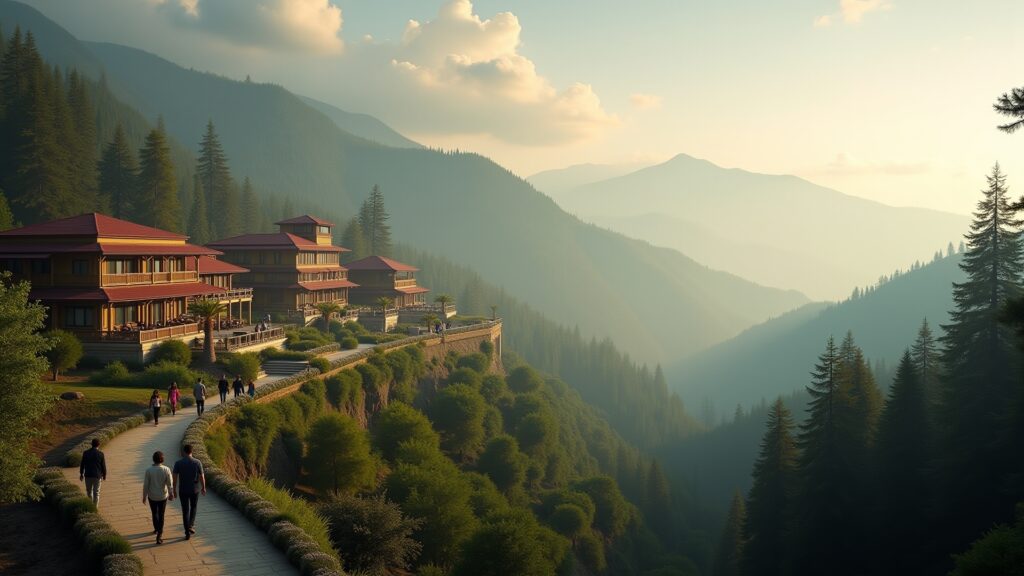
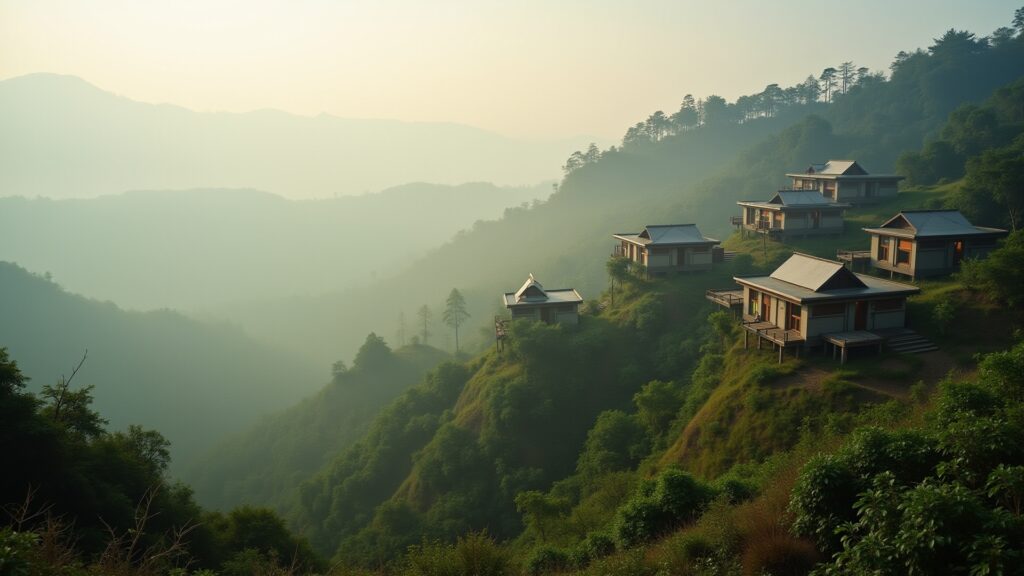
From a tourism economics perspective, destination branding is a foundational asset that requires time and careful nurturing. Lansdowne’s colonial charm and serene environment have carved out a loyal visitor base. Renaming the destination can produce several business challenges:
- Brand Recall Disruption: Repeat and new visitors may face confusion, affecting visitor flow and overall demand.
- Marketing Continuity Risk: All ongoing campaigns, partnerships, and travel-tech platforms may require costly rebranding and communication efforts.
- Investor Sentiment: Hospitality investors and operators might perceive instability, leading to delayed expansions or moderated capital allocation.
Uttarakhand competes with established hill stations like Shimla, Mussoorie, and Nainital, where strong place identity drives premium pricing and occupancy. Any branding disruption can weaken Lansdowne’s competitive positioning in this crowded landscape.
Strategic Analysis: Balancing Heritage and Growth
As you evaluate this renaming from a strategic viewpoint, the challenge lies in harmonizing cultural commemoration with economic resilience. The following insights may inform your approach:
- Phased Branding Strategy: Gradually integrating the Jaswant Garh identity alongside Lansdowne’s existing brand can ease visitor adjustment and protect legacy equity.
- Stakeholder Consultation: Engaging tourism operators, hospitality investors, local communities, and marketers ensures buy-in and mitigates unintended consequences.
- Leveraging Military Heritage: Introducing military-themed museums, experiential tours, and thematic marketing can complement the existing landscape without undermining Lansdowne’s natural allure.
“In tourism, demand matters — but destination readiness is what converts interest into durable growth.”
Practical Takeaways for Tourism Leaders
- Monitor visitor sentiment and booking trends closely post-announcement to anticipate shifts in demand or perception.
- Consider investment readiness assessments reflecting potential impacts on average daily rates (ADR), occupancy, and revenue per available room (RevPAR).
- Coordinate with digital marketing teams to manage the rebranding narrative, emphasizing continuity and enriched visitor experience.
- Work with policymakers for phased rollout plans that protect destination heritage and business interests.
- Explore partnerships with travel-tech platforms to optimize discoverability and conversion during the transitional phase.
“The real edge is not only in attracting visitors, but in building experiences, infrastructure, and trust that keep them coming back.”
Risks and Challenges Ahead
Renaming initiatives inherently carry risks that you should evaluate carefully:
- Visitor Confusion and Reduced Footfall: Sudden or poorly communicated renaming can deter repeat and new visitors.
- Brand Dilution: Long-term brand identity built on colonial heritage might weaken, impacting differentiation.
- Investment Hesitancy: Stakeholders may delay projects amidst policy uncertainty, slowing infrastructure and service quality upgrades.
- Political Overtones: Excessive politicization could alienate some traveler segments, impacting diverse market appeal.
What You Should Watch Next
Keep an eye on official government announcements regarding the final decision and implementation timeline. Observe responses from tourism boards, hotel chains, and travel platforms as these will provide early signals about market adaptation. Evaluate how other hill stations and niche destinations in India navigate similar socio-political naming debates and their impact on tourism economics. Your ability to pivot marketing, investment, and operational strategies in response will be critical.
Conclusion: Navigating Renaming with Strategic Foresight
Renaming Lansdowne to Jaswant Garh is more than a symbolic gesture; it is a strategic decision with significant implications for tourism growth in Uttarakhand. For you, whether leading business operations, managing investments, or shaping destination policy, understanding the intersection of cultural narrative and economic viability is pivotal. The renaming could influence brand equity, traveler sentiment, and investment trends in ways that shape the region’s competitive future.
To safeguard and grow your tourism ventures in this evolving landscape, advocate for inclusive, phased approaches that balance heritage with innovation, and collaborate closely with ecosystem stakeholders. Digital and travel technology tools will be vital to managing perception and maintaining market momentum during this transition.
“When connectivity, hospitality quality, and destination strategy align, tourism growth becomes far more sustainable.”