As a leader in the tourism sector or an investor eyeing the evolving Indian travel landscape, you need to pay close attention to Alwara Lake’s rise as a premier eco-tourism destination in Uttar Pradesh. This development represents more than an ecological preservation effort; it offers you a strategic gateway to participate in India’s shifting tourism economy where sustainability meets premium experience. Understanding Alwara Lake’s impact is critical to positioning your business, policy, or investment strategy for long-term growth and competitive advantage.
Why Alwara Lake’s Eco-Tourism Development Matters to You
You are witnessing a global and domestic shift: travelers increasingly prefer destinations that offer authentic, sustainable experiences, supported by responsible infrastructure and hospitality. Alwara Lake epitomizes this trend and signals important opportunities at multiple intersections—destination development, hospitality premiumisation, aviation connectivity, and sustainable investment frameworks. If you want to future-proof your tourism business or portfolio, grasping the dynamics around Alwara Lake’s emergence is indispensable.
What Is Happening at Alwara Lake?
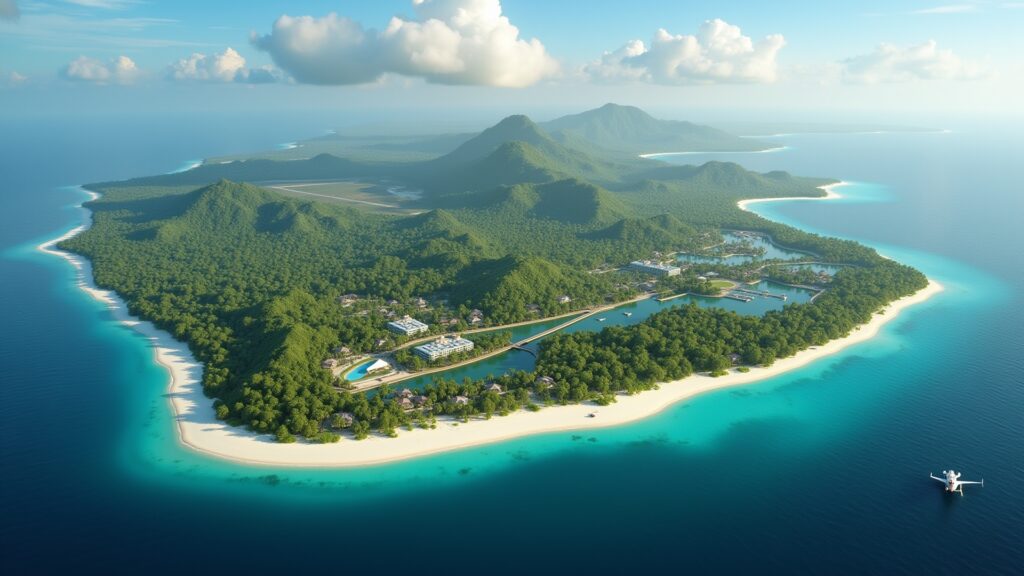
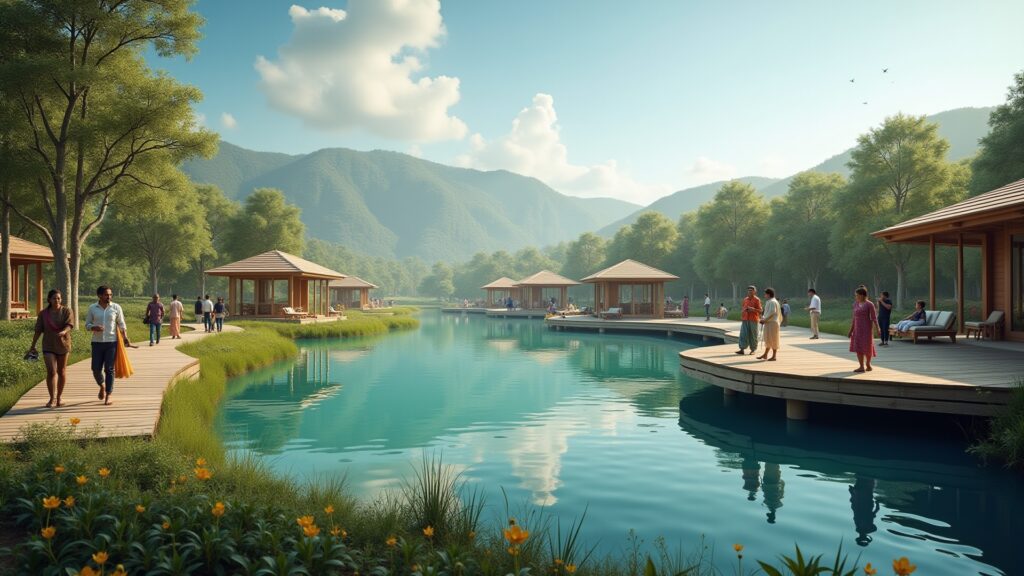
Located in the heart of Uttar Pradesh, Alwara Lake is swiftly transforming from a hidden natural asset into a benchmark eco-tourism destination. Attracting a surge of eco-conscious global travelers, the site marries the appeal of India’s natural heritage with modern eco-sensitive tourism practices. This growing acclaim is a result of deliberate policies and development focused on ecosystem conservation combined with visitor experience enhancement.
Key Business, Tourism, and Policy Impacts
- Destination Development: The eco-tourism push is a catalyst for infrastructure upgrades—especially in improving last-mile connectivity, road access, and environmentally considerate signage. Destination developers must integrate these elements to retain the ecological balance.
- Hospitality Strategy: There is a rising demand for boutique eco-resorts, nature lodges, and wellness retreats tailored to discerning tourists who value sustainability and cultural immersion. This shift supports premiumisation, driving occupancy rates and elevated Average Daily Rates (ADR) in the region.
- Policy and Investment Frameworks: The success of Alwara Lake’s eco-tourism model relies on innovative public-private partnerships, regulatory frameworks balancing development with ecological safeguards, and impact-driven investment models that prioritize long-term value creation while empowering local communities.
Deeper Strategic Insights for Forward-Thinking Stakeholders
Alwara Lake is a case study in how integrated destination strategies that link community, infrastructure, and hospitality can create resilient tourism economies. For you, this means:
- Emphasizing multi-modal connectivity that encompasses air access via regional airports, road networks, and sustainable local transportation solutions.
- Leveraging the premium travel segment by crafting authentic, wellness-oriented experiences rooted in local culture and environmental stewardship.
- Aligning investment approaches with global sustainability agendas to tap into emerging funding sources such as green bonds, impact funds, and community-driven enterprises.
“In tourism, demand matters — but destination readiness is what converts interest into durable growth.”
“The real edge is not only in attracting visitors, but in building experiences, infrastructure, and trust that keep them coming back.”
Practical Takeaways: What You Should Understand and Do
- Monitor developments around transport linkages and regional connectivity upgrades that will influence visitor access and length of stays.
- Explore opportunities to embed sustainability and local culture into your hospitality offerings to differentiate in a competitive market.
- Engage with policymakers and investors to advocate for clear regulatory guidelines supporting eco-tourism growth without compromising ecological integrity.
- Consider partnerships that balance financial returns with environmental and social impact, tapping into the growing global demand for responsible travel investments.
- Stay alert to the evolving preferences of Tier-2 and Tier-3 city outbound travelers who increasingly prioritize premium, responsible tourism options domestically.
Risks and Challenges You Should Keep in Mind
Despite its promise, Alwara Lake’s development is not without challenges that could affect your strategic decisions. Ecological carrying capacity limits, potential overdevelopment, and insufficient community engagement are factors that could undermine sustainability goals. Furthermore, gaps in infrastructure readiness, particularly in aviation connectivity and last-mile accessibility, may constrain growth if not addressed proactively.
Policymakers must ensure that land-use regulations, waste management systems, and stakeholder participation frameworks are robust and enforced consistently. For you, continuous due diligence and active engagement with local ecosystem players are essential to mitigate risks.
What to Watch Next in Alwara Lake’s Journey
Watch for:
- Infrastructure investments supporting better air and ground connectivity to Uttar Pradesh’s emerging tourism corridors.
- Public-private partnerships that introduce innovative, scalable eco-tourism hospitality models.
- Policy announcements regarding environmental regulations and local community inclusion in tourism benefits.
- Shifts in tourist demographics and behavior, particularly among domestic travelers from Tier-2 and Tier-3 cities seeking eco-conscious luxury.
“When connectivity, hospitality quality, and destination strategy align, tourism growth becomes far more sustainable.”
Conclusion: Positioning Yourself for the Next Wave in India’s Tourism Economy
Alwara Lake’s eco-tourism development is a powerful illustration of how India’s tourism sector can evolve toward sustainability while capturing premium growth opportunities. For your tourism enterprise, hospitality brand, investment portfolio, or policy initiative, it represents a strategic pivot point. Embracing sustainable destination development, aligning with responsible investment models, and anticipating evolving traveler expectations will enable you to harness Alwara Lake’s potential and reinforce India’s position as a leader in next-generation tourism economies.
This is your moment to engage deeply with the dynamics of eco-tourism development at Alwara Lake — shaping not just a destination, but the future of premium, sustainable tourism business in India.