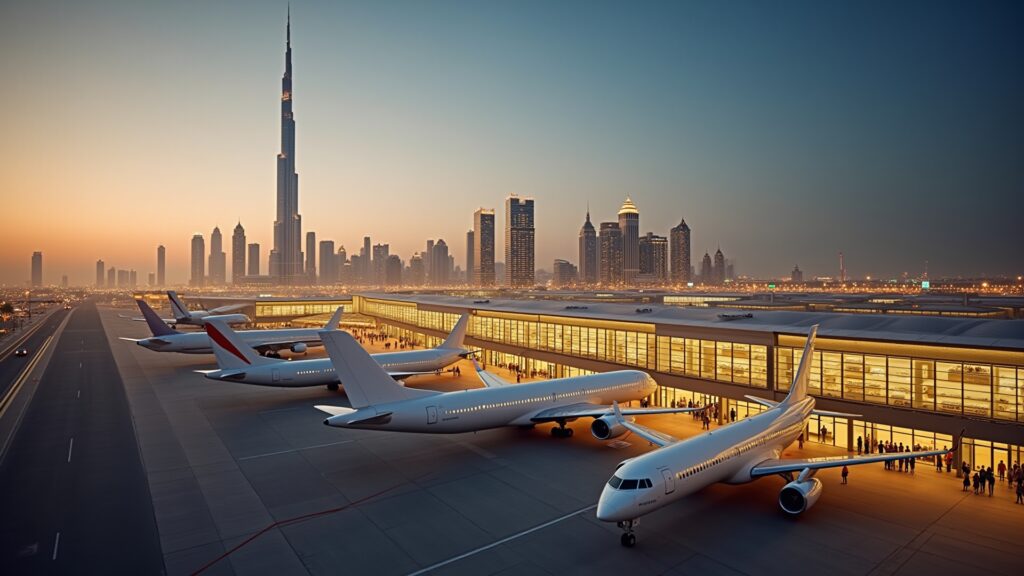
As a leader in the tourism or hospitality sector, you understand that seamless accessibility and efficient regulatory frameworks are pivotal to unlocking new markets and driving sustainable growth. India’s recent strides in expanding air connectivity alongside the modernization of its e-visa system aren’t just incremental changes—they represent a strategic inflection point for your business, your destination, and the broader industry ecosystem. This transformation is creating unprecedented opportunities for competitive differentiation, enhanced profitability, and premiumisation.
Why This Matters to You
India’s tourism economy is no longer confined to its major metropolitan hubs. By connecting tier-2 and tier-3 cities directly to international airports, the country is broadening its tourism geography, inviting you to rethink and expand your business strategy. Additionally, the streamlined e-visa facilitates ease of entry for global travelers, mitigating friction that once limited inbound flow. If you aspire to capitalize on emerging segments such as wellness, spiritual tourism, or premium experiential travel, these developments amplify your reach, revenue potential, and brand relevance.
What Is Happening in India’s Tourism Connectivity and Visa Landscape
India’s civil aviation authorities and tourism policymakers have collaboratively executed a two-pronged approach. Firstly, new international flight routes are targeting previously overlooked cities, improving access to hidden cultural and ecological gems. This decentralized air connectivity aligns with scalable infrastructure investment plans, enabling airport authorities and aviation partners to gear up for diversified passenger demand.
Secondly, the e-visa system has been overhauled to reduce procedural delays and eliminate barriers for visitors, encouraging longer stays and repeat visits. Travel technology platforms are leveraging this to enhance booking conversion with integrated, hassle-free visa facilitation, ensuring a frictionless traveler journey from intention to arrival.
Key Business, Market, and Policy Impacts
- Destination Development and Economic Diversification: Enhanced connectivity propels destination competitiveness beyond traditional centers, unlocking economic opportunities in smaller cities and rural areas.
- Hospitality Revenue Optimization: By attracting niche segments focused on wellness, pilgrimage, and luxury experiences, hoteliers can achieve higher ADR and RevPAR, maximizing profitability.
- Aviation and Infrastructure Readiness: Airline networks and airport authorities can strategically schedule capacity upgrades aligned with emerging demand, ensuring long-term sustainability.
- Travel Technology Integration: Seamless digital booking experiences bolster customer acquisition and retention, creating synergistic benefits across stakeholders.
- Policy Synergy for Sustainable Tourism: Coordinated frameworks balancing infrastructure growth, socio-economic benefits, and environment preservation safeguard tourism’s long-term viability.
Strategic Insights into India’s Tourism Transformation
The intersection of improved air connectivity and e-visa reforms offers a unique platform for you to architect differentiated tourism offerings that resonate with contemporary traveler expectations. This is not merely about increasing footfall; it’s about cultivating high-value travel experiences that command premium pricing and enhance brand equity.
For destination developers and investors, the message is clear: strategic capital allocation must prioritize regions where connectivity advancements coincide with natural or cultural assets. Investing in wellness resorts, curated pilgrimage circuits, or eco-conscious lodgings can drive sustainable growth while aligning with global trends toward responsible tourism and experiential travel.
“In tourism, demand matters — but destination readiness is what converts interest into durable growth.”
Furthermore, collaboration between aviation partners, tourism boards, and technology providers will be critical to crafting seamless ecosystems that efficiently convert traveler intent to visitation, ensuring India’s expanded connectivity translates into sustainable economic returns.
Practical Takeaways for Tourism Industry Leaders
- Reevaluate and expand your market strategies to include emerging destinations now better accessible through new air routes.
- Engage proactively with aviation partners and airport authorities to anticipate infrastructure capacity changes and respond accordingly.
- Leverage technology-driven distribution channels optimized for streamlined visa facilitation and enhanced digital customer experiences.
- Consider premiumisation in your product offerings, focusing on wellness, spiritual tourism, and personalized experiences that align with evolving traveler profiles.
- Advocate for policy frameworks that balance growth with sustainability and community wellbeing, ensuring long-term destination appeal.
Expert Perspective: Navigating the Growth Paradigm
“The real edge is not only in attracting visitors, but in building experiences, infrastructure, and trust that keep them coming back.”
Success in India’s shifting tourism landscape requires you to view connectivity enhancements not as isolated improvements but as integral components of a holistic growth strategy. Collaboration across sectors and disciplines will unlock the sector’s full potential.
Risks and Challenges Ahead
Despite promising infrastructure and policy changes, challenges remain. Infrastructure development must keep pace with increasing passenger volumes without compromising quality or sustainability. Over-tourism in newly accessible locations risks degrading local culture and environments if not managed responsibly. Additionally, technology adoption gaps and inconsistent policy enforcement could hinder full realization of connectivity benefits.
Balancing rapid growth with these risks demands decisive leadership and evidence-based strategy, with continuous monitoring of traveler trends, infrastructure quality, and community impact.
What You Should Watch Next
- New flight routes announced connecting additional tier-2 and tier-3 cities internationally.
- Further advancements in visa facilitation technology and policy liberalization.
- Infrastructure investments, especially airport expansions and ground connectivity improvements.
- Emergence of niche tourism products tapping into wellness, spiritual, and eco-tourism trends.
- Public-private partnerships fostering sustainable and economically inclusive tourism development.
Conclusion: Positioning Your Business for India’s Tourism Growth Trajectory
India’s tourism air connectivity and e-visa transformation is not just expanding borders but reshaping strategic possibilities for your business and destination. By embracing these changes, you position yourself at the forefront of a new era defined by diversified traveler profiles, premiumisation, and sustainable growth. The real opportunity lies in aligning your investment, operational, and marketing strategies with this evolving landscape—enabling you to unlock the full commercial and cultural capital India’s hidden gems offer.
Focus on integration, foresight, and quality infrastructure to thrive in India’s emerging tourism paradigm.
“When connectivity, hospitality quality, and destination strategy align, tourism growth becomes far more sustainable.”