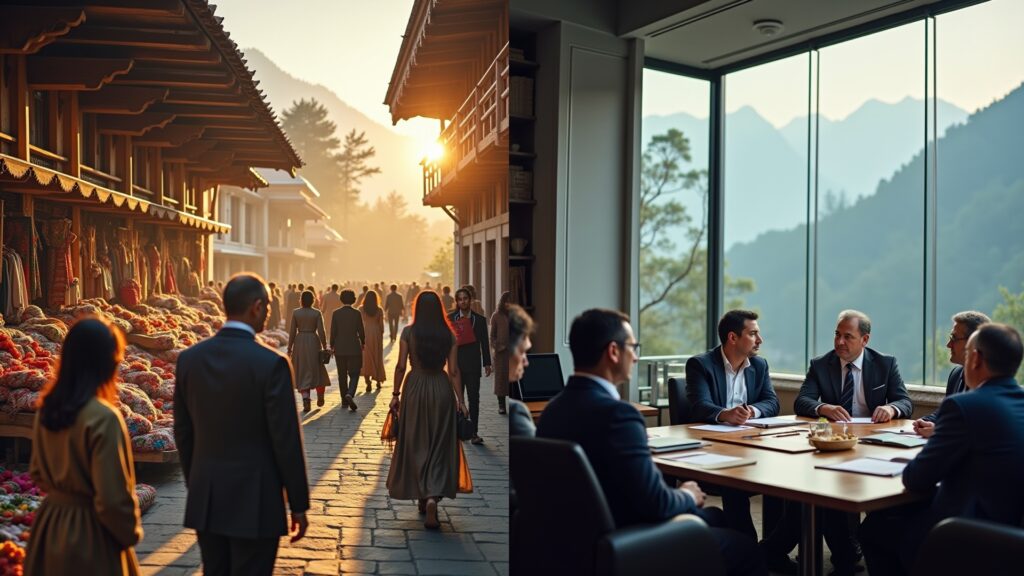
If you are invested in the tourism or trade sectors of Jammu & Kashmir (J&K), the escalating conflict in West Asia should now be on your strategic radar. This geopolitical turbulence is not just a distant headline—it is beginning to reverberate through the region’s critical economic arteries, jeopardizing the fragile recovery and growth momentum that tourism and allied businesses in J&K have painstakingly built post-pandemic.
Why This Matters to You
As a tourism business leader, hospitality executive, investor, or policymaker focusing on J&K, you must understand how external geopolitical events can directly disrupt your operational environment, investment returns, and long-term planning. Given J&K’s distinct positioning as a premium destination blending spiritual pilgrimage, luxury travel, and unparalleled natural beauty, any disruption to its tourism and trade ecosystem has cascading impacts on visitor inflows, revenue cycles, and infrastructure momentum.
The West Asia conflict poses significant risks to your market access, particularly the vital visitor segments and trade channels originating from West Asia and the Indian diaspora abroad. These are pivotal for maintaining healthy hotel occupancy, sustaining MSMEs, and driving regional economic vibrancy. Ignoring these signals could set back your strategic ambitions and stakeholder confidence.
What Is Happening in Jammu & Kashmir’s Tourism and Trade Landscape
The Federation of Chambers of Commerce & Industry Jammu Kashmir (FCIK) has highlighted growing concerns about the conflict’s disruptive effects on trade and tourism connectivity. Key trading routes, essential for transporting goods linked to tourism demand, are strained due to broader geopolitical instability. Consequently, the supply chain for local businesses, many of which are MSMEs, faces interruptions—undermining economic resilience.
Moreover, J&K’s tourism model is deeply interwoven with visitors from West Asia, including spiritual tourists and diaspora travelers who contribute significantly to occupancy rates and average daily rates (ADR) in hotels and resorts. Rising regional tensions amplify risk perceptions, dampening travel intent and prompting immediate demand contraction.
Key Business and Tourism Impact
The practical effects you face include:
- Disrupted Supply Chains: Interrupted logistics affect inventory and procurement for hospitality and allied sectors, increasing operational costs.
- Investor Uncertainty: Geopolitical risk reduces willingness to commit new capital to tourism infrastructure, stalling expansion plans.
- Declining Visitor Volumes: Hesitancy among international and diaspora travelers from West Asia results in lower occupancy and reduced ADR, impacting revenue metrics.
- Pressure on MSMEs: Small and medium enterprises, forming the backbone of local tourism services—from handicrafts to hospitality—experience liquidity and demand shocks.
“In tourism, demand matters — but destination readiness is what converts interest into durable growth.”
Strategic Insight: Building Resilience Amidst Uncertainty
What should you do now? Diversification of source markets becomes imperative. Reducing dependence on any single region, including West Asia, through targeted outreach to other domestic and international segments helps mitigate concentrated risk. Strengthening digital platforms for travel bookings and trade transactions can enhance agility, allowing businesses to adapt quickly to shifting market signals.
Logistics security is equally crucial. Enhancing supply chain resilience with alternate routes and reliable partnerships will protect your operations from unforeseen disruptions.
Ensuring MSMEs receive focused support and relief is fundamental to maintaining employment and entrepreneurship, preserving the socio-economic fabric unique to J&K’s tourism ecosystem. Stakeholders should also revisit risk management frameworks and crisis preparedness protocols, embedding them firmly into business models and policy planning.
Practical Takeaways for You
- Understand the depth of your exposure to West Asia-sourced tourism and trade channels.
- Actively diversify market sources with a focus on Tier-2 and Tier-3 Indian cities and alternative international feeders.
- Invest in digital transformation for robust booking, trade facilitation, and supply chain monitoring.
- Prioritize MSME support programs to stabilize the grassroots economic base.
- Collaborate with policymakers to develop agile crisis response and recovery strategies specific to geopolitical risks.
“The real edge is not only in attracting visitors, but in building experiences, infrastructure, and trust that keep them coming back.”
Risks and Challenges to Monitor
As you navigate this complex landscape, be vigilant about several risks:
- Prolonged Geopolitical Uncertainty: Extended conflict scenarios could further depress investor confidence and travel demand.
- Supply Chain Volatility: Overreliance on specific routes or partners in West Asia heightens vulnerability to sudden disruptions.
- Policy Lag: Delay in adaptive tourism policies and relief measures can exacerbate impact on MSMEs and infrastructure projects.
- Brand and Reputation Risk: Negative perceptions linked to regional stability may deter premium travelers and investors.
What You Should Watch Next
Keep a close eye on developments related to geopolitical negotiations and peace processes in West Asia—they directly influence travel advisories and economic policies affecting J&K. Monitor government and FCIK communications for stimulus or relief initiatives tailored to the tourism trade ecosystem. Pay attention also to new partnerships or aviation connectivity changes that could offer alternative access routes, enhancing destination resilience.
Conclusion: A Call for Proactive, Strategic Leadership
The West Asia conflict’s ripple effect on Jammu & Kashmir tourism trade disruptions rewrites part of the region’s economic reality. As a stakeholder in this ecosystem, you face challenges that tests your strategic foresight, operational resilience, and collaborative agility.
Yet, within these challenges lies opportunity. By adopting diversified market strategies, investing in digital and infrastructure robustness, and supporting MSMEs, you can safeguard your business and nurture sustainable, premium tourism growth. The stakes are high, but with astute leadership and innovation, J&K can continue its path toward reclaiming its coveted position as a leading Indian destination with a resilient tourism and trade ecosystem.
“When connectivity, hospitality quality, and destination strategy align, tourism growth becomes far more sustainable.”