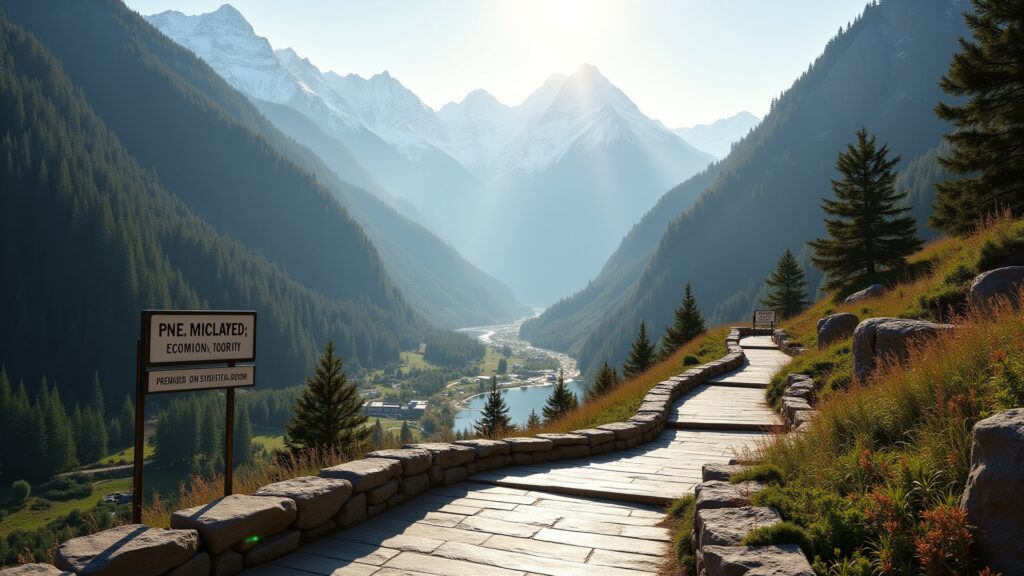
As a leader or investor in the tourism industry, you understand the critical importance of identifying growth avenues that balance commercial potential with sustainability. India’s decision to open Nelong Valley year-round — with regulated winter access limiting visitors to 100 tourists and 20 vehicles daily — is a milestone worth your close attention. This strategic policy shift not only broadens the geographic and seasonal reach of Himalayan tourism but also signals a new chapter in managing fragile mountain ecosystems alongside high-value visitor experiences.
Why This Development Matters to Your Tourism Business
You operate in a sector where destination accessibility, seasonality, and sustainability dramatically shape profitability and brand positioning. Nelong Valley’s year-round opening directly challenges traditional peak-season constraints, offering you an opportunity to rethink seasonal revenue flows, hotel occupancy strategies, and experience diversification in the Himalayas. If you manage hospitality assets, local tours, or invest in regional tourism infrastructure, this extension of access translates into a longer window to capture premium travelers who demand exclusivity even in winter’s challenging conditions.
Moreover, the controlled approach to winter access exemplifies how policy can both safeguard environmental integrity and stimulate economic resilience—a key long-term consideration for your destination development and investment strategy.
What Exactly Is Happening in Nelong Valley?
Nelong Valley, located near the sensitive Indo-China border in Uttarakhand, has historically been closed during winter months to protect both its delicate ecosystem and visitor safety. The Indian government’s recent decision introduces a calibrated year-round opening with strict daily limits on tourists and vehicles during winter. This regulatory framework balances opening up a niche high-altitude destination while managing environmental risks and infrastructure challenges.
The move to allow controlled winter access aligns with broader goals to foster sustainable mountain tourism by extending the season without overwhelming the ecological carrying capacity or existing support systems.
Key Business and Market Implications for You
For tourism enterprises, extending Nelong Valley’s operational season improves business dynamics by reducing seasonality-related revenue dips. Hospitality providers can explore new service models and pricing strategies to capitalize on winter demand, often driven by niche segments such as adventure tourists, wellness seekers, and spiritual travelers attracted by the valley’s pristine environment and cultural significance.
Transport operators and aviation stakeholders should consider enhanced connectivity options to link Nelong Valley more efficiently to major urban centers. Well-managed regional transport infrastructure upgrades can align with the regulated visitor flow, ensuring smooth, premium quality travel experiences.
Digital platforms and travel-tech innovations can play a pivotal role in managing bookings, communicating regulations, and enhancing traveler safety—critical factors in building trust and repeat visitation in sensitive destinations.
Strategic Insights: Unlocking Sustainable Growth in High-Altitude Tourism
Opening Nelong Valley year-round is not merely a policy tweak; it is an incisive move toward premiumisation and sustainability in mountain tourism. The focus on limited visitor numbers during winters safeguards ecological balance, while the potential for winter trekking, spiritual retreats, and experiential travel presents clear pathways for differentiated product development.
“In tourism, demand matters — but destination readiness is what converts interest into durable growth.”
You must recognize that successful destination growth unfolds at the intersection of infrastructure investment, environment-conscious policy, and authentic experience curation. Nelong Valley’s model exemplifies how controlled access combined with improved winter-ready facilities can unlock year-round economic opportunity without compromising natural capital.
Practical Takeaways for Tourism Leaders and Investors
- Understand the evolving consumer demand from Tier-2 and Tier-3 cities for exclusive, experience-rich winter tourism in lesser-known Himalayan pockets.
- Monitor government regulations closely, as these frameworks both enable and restrict access, directly impacting operational planning and capacity management.
- Invest in winter-compatible infrastructure and hospitality services, including sustainable transport, heated accommodations, and safety protocols tailored for high-altitude environments.
- Leverage digital booking systems and data analytics to optimize visitor caps and improve traveler experience while protecting ecological thresholds.
- Explore partnerships among policymakers, local communities, and private stakeholders to align economic goals with environmental stewardship.
“The real edge is not only in attracting visitors, but in building experiences, infrastructure, and trust that keep them coming back.”
Risks and Challenges You Must Consider
Maintaining a strict cap of 100 tourists and 20 vehicles daily during winter reflects a precautionary approach. You should be aware of challenges related to:
- Environmental degradation risks if visitor management breaks down or infrastructure fails under seasonal stress.
- Operational complexities in providing safe, comfortable winter travel and lodging options that meet premium market expectations.
- Potential bottlenecks caused by limited transport capacity and logistical hurdles in a high-altitude, politically sensitive region.
- Balancing community welfare with increased tourist influx, ensuring that economic benefits do not come at social or ecological costs.
What to Watch Next in Himalayan Tourism Development
Keep an eye on how Nelong Valley’s winter tourism model influences broader Himalayan destination policies. Watch for infrastructure investments, new product launches like winter adventure or wellness packages, and shifts in tourist demographics driven by expanded accessibility.
The role of aviation and regional connectivity enhancements will be critical to scaling tourism impact while maintaining the calibrated visitor caps effectively. These factors will shape the competitive positioning of not just Nelong Valley but other fragile mountain destinations seeking sustainable growth.
“When connectivity, hospitality quality, and destination strategy align, tourism growth becomes far more sustainable.”
Conclusion: Nelong Valley Year-Round Opening as a Blueprint for Himalayan Tourism
The regulated year-round opening of Nelong Valley sets a premium standard for balancing growth with sustainability in sensitive mountain tourism markets. For you as a tourism industry stakeholder, it provides a strategic case study on extending seasonality through controlled visitor management, infrastructure readiness, and product innovation tailored to high-altitude environments.
Adopting a similarly nuanced approach in other Himalayan destinations will be essential to unlocking long-term commercial viability while safeguarding the region’s invaluable natural heritage. Nelong Valley’s example compels you to rethink how investment, policy, and operational strategies can collectively advance sustainable, profitable tourism in one of the world’s most delicate and promising tourism frontiers.