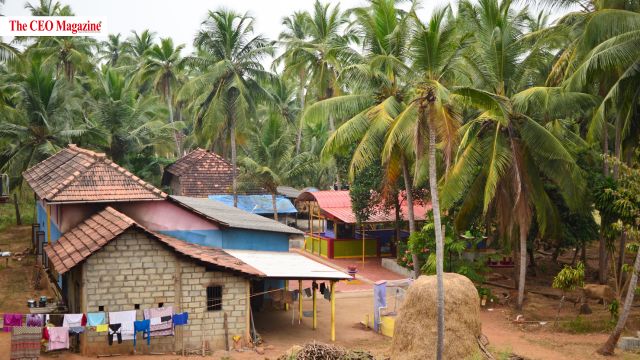
You will discover the charm and tranquility of rural tourism in India through these remarkable villages that embody simplicity. Each destination offers unique experiences that connect you with nature and local culture, allowing you to unwind and embrace a slower pace of life. From stunning landscapes to warm hospitality, these villages redefine what it means to travel off the beaten path. Prepare to immerse yourself in authentic traditions and peaceful surroundings that make rural tourism a rewarding escape.
Key Takeaways:
- Rural tourism villages in India offer unique experiences that emphasize simplicity and traditional lifestyles.
- These villages often showcase local culture, handicrafts, and sustainable practices, attracting tourists seeking authentic interactions.
- Tourism in these areas supports local economies by providing income opportunities to residents while promoting environmental conservation.
Overview of Rural Tourism in India
Rural tourism in India presents an enticing glimpse into the heart of local cultures, traditions, and agricultural practices. Visitors are drawn to the serene landscapes and unspoiled beauty of rural areas, making it an increasingly popular choice for travelers seeking authentic experiences. From ancient crafts to local cuisine, rural tourism offers a vibrant palette of experiences that reflect the simplicity and resilience of village life.
Importance of Rural Tourism
Your interest in rural tourism helps preserve unique traditions and supports sustainable practices. By attracting visitors to these areas, you promote an understanding of indigenous cultures and contribute to their economic independence. The significance of rural tourism is underscored by its ability to balance modernization with the preservation of local heritage.
Benefits for Local Communities
Engaging in rural tourism allows local communities to benefit economically while maintaining their cultural identity. This form of tourism creates jobs, promotes local crafts, and boosts traditional agricultural practices. By investing in local experiences, you enable communities to sustain themselves without sacrificing their heritage.
Rural tourism not only provides a financial influx but also fosters pride among local residents. For example, villages such as Dhanachuli in Uttarakhand have successfully leveraged tourism to promote their handicrafts, leading to a 30% increase in income for artisans. Consequently, this economic uplift supports educational initiatives and healthcare improvements, enriching the community as a whole. Through rural tourism, you witness how local customs and environmental conservation efforts can flourish side by side with economic development.
Criteria for Selection
Each village featured on this list has been chosen based on distinct criteria that highlight its unique contributions to rural tourism. Factors like the authenticity of local culture, ease of access for visitors, and the overall immersive experience have been meticulously evaluated. These criteria ensure that each destination not only provides a relaxing getaway but also fosters an appreciation for India’s rich heritage and natural beauty.
Authenticity and Cultural Significance
The essence of rural tourism thrives on authenticity, allowing you to engage deeply with local traditions and customs. You’ll find that these villages showcase genuine practices-be it traditional crafts, folk dances, or culinary experiences-all of which reflect the rich tapestry of India’s diverse cultures. Such authenticity fosters meaningful connections with the community, enriching your overall travel experience.
Accessibility and Visitor Experience
Accessibility is pivotal in ensuring that your rural getaway is enjoyable and hassle-free. Villages selected typically feature well-connected roads or public transport options, allowing you to reach them without difficulty. Furthermore, local accommodations and guided tours enhance your experience, ensuring that you can explore the area comfortably while engaging with the natives.
Research indicates that villages with high accessibility not only attract more tourists but also promote longer stays and deeper interactions with local residents. For example, well-maintained roads and transportation options significantly influence visitors’ experiences, making it easier for you to explore surrounding attractions, partake in activities like guided trekking or nature walks, and enjoy the serenity of rural landscapes. Enhanced infrastructure, when combined with local hospitality, transforms your visit into an enriching experience that aligns with your desire for simplicity and authenticity.
Featured Villages
1. Kumbhalgarh, Rajasthan
Nestled in the foothills of the Aravalli range, Kumbhalgarh is known for its majestic fort with the second-longest wall in the world after the Great Wall of China. The surrounding village offers folk music, local handicrafts, puppet shows, and authentic Rajasthani cuisine. Scenic hiking trails and wildlife sanctuary visits make this a perfect blend of culture and nature.
2. Ziro, Arunachal Pradesh
Home to the Apatani tribe, Ziro Valley is a UNESCO tentative site known for its sustainable farming techniques and picturesque rice fields. The Ziro Music Festival attracts global travelers, while homestays offer immersive cultural learning. It is ideal for travelers seeking peace, tribal culture, and slow living.
3. Majuli, Assam
The world’s largest river island on the Brahmaputra, Majuli is a cultural treasure. Its Vaishnavite satras (monasteries) preserve rare dance forms like Sattriya and ancient mask-making traditions. With vibrant festivals and lush landscapes, Majuli intertwines spirituality and heritage in a serene setting.
4. Coorg, Karnataka
Known as the “Scotland of India,” Coorg blends cool weather, coffee estates, waterfalls, and wildlife sanctuaries. Tourists can learn about coffee cultivation, enjoy trekking routes, and interact with local Kodava culture. Authentic coffee-tasting sessions are a major attraction here.
5. Chopta, Uttarakhand
Popularly called “Mini Switzerland,” Chopta is a serene base for Himalayan treks to Tungnath and Chandrashila. With breathtaking views, snow-capped peaks, and diverse seasonal flora, the village is ideal for nature lovers seeking spirituality, adventure, and tranquility.
6. Bir Billing, Himachal Pradesh
Famed as India’s paragliding capital, Bir Billing offers adventure sports amidst scenic hills. Tibetan monasteries, eco-friendly cafes, and serene walking trails add depth to the experience. The village blends spirituality, thrill, and peaceful living.
7. Kibber, Spiti Valley (Himachal Pradesh)
One of the highest inhabited villages in the world, Kibber is located in the cold desert of Spiti Valley. Its stark beauty, snow leopard sightings, ancient monasteries, and Tibetan Buddhist culture attract both researchers and travelers seeking remote experiences.
8. Wayanad, Kerala
Known for spice plantations, waterfalls, and tribal settlements, Wayanad is the essence of sustainable village life. Guided treks, wildlife sanctuaries, and bamboo craft workshops are popular activities. The region is rich in biodiversity and traditional farming practices.
9. Khonoma, Nagaland
Asia’s first green village, Khonoma is a pioneering model of eco-tourism and conservation. With hunting banned and reforestation promoted by locals, it is known for sustainable community-led tourism. The Angami tribe’s terraced farming system is a highlight and attracts global researchers.
10. Bhujodi, Gujarat
A vibrant artisans’ village near Bhuj, Bhujodi is famous for handcrafted textiles, weaving, and khadi craftsmanship. Over 200 families here are engaged in loom work. Visitors can interact directly with artisans, attend workshops, and understand the heritage behind each weave.
Activities and Experiences in Rural Villages
Experiencing rural villages in India immerses you in a blend of traditional lifestyles and unique local activities. You can partake in activities such as farming, pottery making, or even cooking sessions with local families. These interactions allow you to understand the intricacies of village life while enjoying the serene environment that surrounds you.
Cultural Activities
Dive into vibrant cultural activities like folk dances, music nights, and traditional festivals that are necessary to local heritage. Engaging with artisans, you can witness the creation of handwoven textiles or pottery, gaining insight into age-old crafts. Participating in these activities not only enriches your travel experience but also helps sustain local traditions.
Eco-Tourism and Nature Exploration
Eco-tourism in rural villages offers an authentic connection to nature. You can explore pristine landscapes through guided treks or birdwatching tours, all while learning sustainable practices that locals implement to preserve their environment. These experiences highlight the delicate balance between tourism and conservation.
Many villages are surrounded by stunning natural attractions such as mountains, rivers, and forests. For instance, in the Western Ghats, you can explore rich biodiversity through nature trails while being guided by locals who share their intimate knowledge of flora and fauna. Furthermore, these tours often include community-led initiatives like organic farming, promoting environmentally friendly practices that benefit both locals and visitors. Such immersive eco-tourism experiences enable you to appreciate the beauty of rural India while contributing positively to the community and environment you visit.
Challenges of Rural Tourism
Engaging in rural tourism presents various challenges that can hinder its growth and sustainability. You may encounter issues such as inadequate infrastructure, fluctuating visitor numbers, and the delicate balance between preserving local cultures while encouraging economic development. Each of these challenges requires thoughtful strategies to ensure that tourism benefits both locals and visitors effectively.
Infrastructure and Connectivity
Your experience in rural tourism can be significantly impacted by the state of local infrastructure and connectivity. Many villages lack proper roads, transport facilities, and communication systems, making access difficult for tourists. For instance, areas like Spiti Valley in Himachal Pradesh offer breathtaking views but often struggle with reliable transportation and basic amenities, which can deter potential visitors.
Sustainable Development Issues
As rural tourism grows, issues of sustainable development often arise, particularly concerning environmental conservation and community impact. You may find that tourism can lead to ecological degradation, as seen in the case of eco-sensitive zones like Uttarakhand, where increased footfall strains local resources and habitats. The challenge lies in fostering tourism that respects and enhances the local ecosystem.
In order to mitigate these sustainable development issues, you should support tourism initiatives that prioritize eco-friendly practices. For example, promoting homestays that utilize solar energy or encouraging the use of local materials in tourism-related projects can reduce the environmental footprint. Engaging local communities in decision-making ensures that their voices are heard and that benefits are equitably distributed, ultimately leading to a more sustainable approach to rural tourism development.
The Future of Rural Tourism in India
Trends and Innovations
The rise of sustainable tourism is transforming rural destinations across India, emphasizing eco-friendly practices and authentic experiences. Villages are adopting agritourism, allowing you to engage in farming activities while learning about local biodiversity. Digital platforms are streamlining bookings for homestays and guided tours, making it easier for travelers to explore hidden gems. Additionally, responsible wildlife tourism is being integrated, providing unique opportunities to witness conservation efforts while benefiting local economies.
Role of Community Involvement
Community involvement significantly enhances the appeal of rural tourism. When local residents participate actively, they not only preserve their culture but also ensure that tourism benefits everyone. Your engagement with local artisans, farmers, and guides fosters genuine experiences, from participating in traditional cooking classes to exploring handicraft workshops. This interaction not only enriches your visit but empowers communities financially and socially.
Communities that embrace tourism often create more inclusive environments by involving various stakeholders, from farmers to schoolchildren, in planning and hosting activities. For example, in villages like Khairagarh in Chhattisgarh, youth-led initiatives promote local festivals, drawing visitors and reviving age-old traditions. This empowerment leads to self-sustaining models where profits are reinvested into community projects, enhancing local infrastructure and education while ensuring that tourism goes hand-in-hand with cultural preservation. Ultimately, your contributions as a traveler can spark positive changes across these rural landscapes, creating a symbiotic relationship that benefits all involved.
Final Words
Hence, exploring these 10 rural tourism villages in India allows you to experience the essence of simplicity and authenticity in life. Each destination offers a unique glimpse into traditional lifestyles, customs, and breathtaking landscapes that stand in stark contrast to urban chaos. You’ll find an opportunity to reconnect with nature, support local communities, and create lasting memories. Embrace the tranquility these villages offer and discover how rural tourism can enrich your perspective and appreciation of cultural diversity.
FAQ
Q: What are some examples of rural tourism villages in India?
A: Some notable rural tourism villages in India include Ziro Valley in Arunachal Pradesh, Khonoma in Nagaland, and Raghurajpur in Odisha. These villages offer unique cultural experiences, local crafts, and scenic landscapes.
Q: How does rural tourism benefit local communities?
A: Rural tourism generates income for local communities through the promotion of local crafts and services, creates job opportunities, and fosters cultural exchange. It empowers residents to preserve their heritage while engaging with visitors.
Q: What should travelers expect when visiting rural tourism villages in India?
A: Travelers can expect a slower pace of life, authentic interactions with locals, traditional cuisine, and scenic surroundings. Many villages offer homestays, workshops, and guided tours that immerse visitors in the local culture and lifestyle.