With a rich tapestry of culture and history, India offers numerous heritage tourism sites that transport you back in time. These locations provide an immersive experience, allowing you to explore the architectural marvels, ancient traditions, and vibrant stories that shape the nation. From majestic forts to sacred temples, each site holds unique significance, inviting you to connect with your heritage and appreciate the diverse narratives that make India extraordinary. Discover these 12 remarkable sites that promise to bring history to life in an unforgettable way.
Key Takeaways:
- India’s heritage tourism sites showcase diverse architectural styles and cultural narratives spanning centuries.
- Visitors can engage with rich historical contexts through preserved monuments, museums, and local traditions.
- These sites promote sustainable tourism by balancing visitor experiences with conservation efforts.
The Majestic Taj Mahal
The Taj Mahal stands as an eternal tribute to love, drawing millions of visitors each year. Its stunning white marble façade, which reflects hues of pink, orange, and gold at various times of the day, encapsulates the artistry of Mughal architecture. Nestled on the banks of the Yamuna River in Agra, this UNESCO World Heritage Site is not only a must-see for history enthusiasts but also for anyone who appreciates the beauty of intricate craftsmanship and romantic symbolism.
Architectural Marvel
The Taj Mahal exemplifies the zenith of Mughal architecture, combining Persian, Indian, and Islamic influences. Built between 1632 and 1648 by Emperor Shah Jahan, it features a grand dome that rises to 35 meters and is surrounded by a symmetrical garden reflecting the concept of paradise. The detailed inlay work of semi-precious stones, known as pietra dura, along with the elaborate calligraphy and intricate carvings, represents the high level of craftsmanship achieved during this era.
Cultural Significance
Beyond its architectural beauty, the Taj Mahal serves as a symbol of love and loss. It was commissioned by Shah Jahan in memory of his beloved wife, Mumtaz Mahal, illustrating the deep personal and cultural narratives intertwined with its creation. Over time, it has become a national icon of India, representing the country’s rich history and diverse cultural landscape.
This cultural significance extends into modern times, where the Taj Mahal is often referenced in literature, art, and film, further embedding it in global consciousness as a beacon of romantic ideals. Each year, millions recognize it as a UNESCO World Heritage Site that celebrates not just the artistry of its construction but also the universal themes of love and remembrance that resonate across cultures. Situated at the heart of India’s emotional and historical narrative, it invites you to reflect on the stories it holds.
Ancient Varanasi
Varanasi, one of the world’s oldest continuously inhabited cities, offers a profound glimpse into India’s rich cultural tapestry. Its labyrinthine alleys and ancient temples are a testament to thousands of years of religious and scholarly significance, making it an crucial destination for heritage tourism. The sacred Ganges River flowing through its heart not only attracts pilgrims but also encapsulates the spiritual essence of the city, offering you an immersive experience of India’s enduring civilization.
Spiritual Hub
As you wander through Varanasi, the city greets you with its vibrant spiritual atmosphere. The ghats lining the Ganges serve as a gathering place for rituals and ceremonies, where you can witness the mesmerizing Ganga Aarti at dusk. People from all walks of life converge here to seek blessings, perform rites, and immerse in the river’s sacred waters, reinforcing Varanasi’s status as a vital pilgrimage site.
Historical Context
Varanasi stands as a living museum, with its roots tracing back to the 11th century BCE. Historical texts, including the Rigveda, mention this city, establishing its significance in Hindu tradition. The city has witnessed the rise and fall of various dynasties, from the Mauryas to the Mughals, each contributing to its architectural and cultural legacy. Iconic sites such as Kashi Vishwanath Temple and Sarnath, where Buddha delivered his first sermon, further enrich its historical narrative.
In Varanasi, layers of history unfold with every step you take. The architectural wonders, encompassing intricate temples, centuries-old mosques, and colonial-era structures, narrate the city’s evolution over millennia. The historical significance of Varanasi is underscored by its association with religious texts, which highlight its role as a center for learning and spirituality. Excavations in the region have revealed artifacts and inscriptions that date back to ancient civilizations, allowing you to connect with a place that has been revered through centuries as a beacon of culture and religious devotion.
The Forts of Rajasthan
The majestic forts of Rajasthan stand as towering reminders of India’s storied past, each uniquely narrating tales of valor, architectural brilliance, and royal heritage. From the intricate carvings to the strategic locations, these forts not only offer stunning views but also immerse you in the grandeur of bygone eras, making them crucial stops for heritage tourism enthusiasts.
Amer Fort
Amer Fort, located near Jaipur, is distinguished by its impressive blend of Hindu and Mughal architectural styles. Built in the late 16th century, the fort’s stunning ramparts and serene Maota Lake create a picturesque backdrop. As you explore its intricate palace complex, don’t miss the ornate Sheesh Mahal, where mirrors catch the light in mesmerizing patterns.
Mehrangarh Fort
Mehrangarh Fort, perched on a 400-foot hill in Jodhpur, is a magnificent testament to Rajasthan’s royal heritage. Its massive walls, which extend over five kilometers, house a museum showcasing royal artifacts, palanquins, and armory. As you wander through the courtyards, the vibrant blue city of Jodhpur sprawls below, offering an unparalleled view.
Mehrangarh Fort’s history dates back to 1459, founded by Rao Jodha, its walls narrated tales of battles and sieges that shaped the region. The fort houses several palaces adorned with intricate carvings and deep-cut framed windows, which showcase the artistry of the local craftsmen. The fort also hosts cultural events and festivals, allowing you to experience traditional Rajasthani music and dance, ensuring a vibrant understanding of the region’s cultural richness.
The Temples of Khajuraho
The Temples of Khajuraho, a UNESCO World Heritage Site, are a stunning expression of India’s architectural genius and artistic innovation. Nestled in Madhya Pradesh, these temples are renowned for their intricate sculptures and carvings that depict diverse themes, reflecting the cultural and spiritual ethos of the Chandela dynasty. With over 20 temples remaining from around the 10th century, each structure showcases an abundance of detail that captivates visitors and beckons history enthusiasts from around the globe.
Erotic Sculptures
The erotic sculptures of Khajuraho are perhaps the most talked-about feature of these temples, intertwining sensuality with spirituality. These exquisite carvings illustrate various aspects of human life, love, and desire, presenting a celebration of sexuality that was embraced in the culture of the time. With sculptures depicting couples in intimate poses alongside depictions of daily life and nature, you can witness a fascinating juxtaposition that challenges modern perceptions of ancient Indian societal norms.
History and Legacy
The historical legacy of Khajuraho is rooted in the Chandela rulers’ patronage of art and religion, flourishing between 950 and 1050 AD. This period marked a significant cultural convergence, where Hinduism, Jainism, and Buddhism coexisted, influencing temple architecture and artistry. The temples encapsulate the zenith of North Indian temple architecture, illustrating advancements in sculptural techniques and thematic diversity. Their eventual decline and later rediscovery in the 19th century further speak to their enduring significance, as they continue to inspire generations of artists, historians, and tourists.
Your exploration of the temples reveals more than just architectural brilliance; it invites a reflection on the ethos of a civilization that viewed the body as a vessel of divine energy. The intricate designs and symbolic representations found in the sculptures emphasize the integral role of eroticism in spirituality and the human experience. This unique perspective offers a richer understanding of the cultural milieu in which the Chandela dynasty thrived-an era identified not only by the temples themselves but also by the enduring legacy of their artistic and spiritual philosophies.
Hampi: The Forgotten Capital
Hampi, once the thriving capital of the Vijayanagara Empire, is now a mesmerizing UNESCO site that invites you to explore its ancient ruins and breathtaking landscapes. The remnants of its grand palaces, temples, and marketplaces transport you back to a time of immense wealth and architectural brilliance. As you wander through this historic site, the echoes of its glorious past resonate, making you appreciate the intricacies of its stone-carved artistry and the significance of its cultural heritage.
Ruins of Vijayanagara
The ruins of Vijayanagara showcase exceptional craftsmanship and urban planning that defined the grandeur of the empire. You can marvel at the intricate carvings of the Virupaksha Temple and the majestic stone chariot at the Vitthala Temple, both pillars of Hampi’s architectural prowess. Each structure tells a story of its era, revealing insights into the daily lives of its citizens and the empire’s resilience against invasions.
UNESCO World Heritage Site
Designated as a UNESCO World Heritage Site in 1986, Hampi is recognized for its exceptional cultural significance and architectural heritage. This status not only aids in the preservation of its historical structures but also elevates its visibility on the global tourism map. You’ll discover that Hampi’s landscape is dotted with over 1,600 surviving monuments, each imbued with deep historical value, and exploring them is like walking through a living museum of Indian history.
The UNESCO designation emphasizes Hampi’s unique blend of natural beauty and historical architecture. You encounter remarkable features like the boulder-strewn landscape interspersed with ruins that date back to the 14th century. The policy of preservation ensures that not only do you witness the grandeur of the past, but you also contribute to sustaining its legacy for future generations to explore. This heritage site encapsulates the zenith of Indian civilization, making it a must-visit for history enthusiasts and travelers alike.
The Caves of Ajanta and Ellora
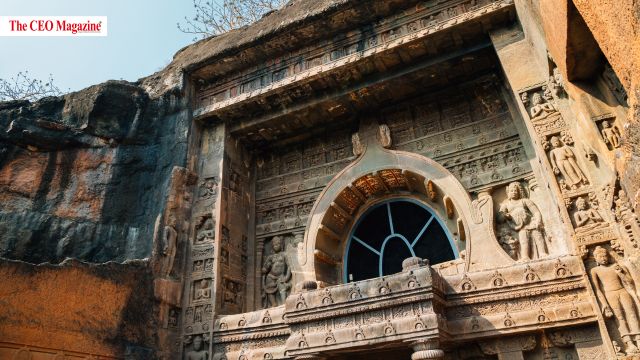
Exploring the Caves of Ajanta and Ellora transports you back to ancient India, where intricate sculptures and stunning frescoes narrate tales of spirituality and artistry. These UNESCO World Heritage Sites, carved into rock between the 2nd century BCE and the 6th century CE, offer a mesmerizing array of Buddhist, Hindu, and Jain temples. With over 30 caves at Ajanta and more than 30 at Ellora, their sheer scale and historical significance make them a must-visit for anyone interested in India’s cultural heritage.
Rock-Cut Architecture
The rock-cut architecture of Ajanta and Ellora is a testament to the ingenuity of ancient Indian craftsmen. Carved directly from solid rock, these caves showcase remarkable engineering skills, with intricate designs that highlight the artisans’ mastery over stone. You can marvel at the precision of the pillars and the seamless integration of architectural styles, reflecting the influence of different dynasties and philosophies over centuries.
Artistic Heritage
The artistic heritage of the Ajanta and Ellora caves stands as a significant representation of ancient Indian culture. You’ll encounter striking murals, elaborate sculptures, and detailed carvings that illustrate various aspects of life, spirituality, and mythology. These artworks provide insight into the social, religious, and economic contexts of the time, revealing how art was integral to the spiritual devotion of the era. For instance, the exquisite frescoes in Ajanta depict scenes from the Jataka tales, celebrating the lives of the Buddha in his previous incarnations, showcasing not just artistry, but also the profound philosophical teachings of Buddhism.
The Ancient City of Fatehpur Sikri
Fatehpur Sikri, built by Emperor Akbar in the 16th century, stands as a remarkable example of Indo-Islamic architecture and imperial vision. Once the capital of the Mughal Empire, this abandoned city still retains its majestic aura, with grand gateways, palaces, and mosques reflecting Akbar’s aspiration for cultural unity. As you explore its expansive courtyards and intricately carved pillars, you step into a world shaped by power, philosophy, and artistic brilliance.
Architectural Grandeur
The city is a showcase of meticulous urban planning, featuring structures such as the Buland Darwaza, Diwan-i-Khas, Panch Mahal, and the Jama Masjid. Each building illustrates a delicate blend of Persian elegance and local craftsmanship. The use of red sandstone, symmetrical layouts, and ornate jali work highlight the Mughal mastery of design, making Fatehpur Sikri a living textbook of architectural artistry.
A Legacy of Ideas
Beyond physical beauty, Fatehpur Sikri reflects Akbar’s vision of religious harmony. His introduction of Din-i-Ilahi — a syncretic faith — originated here, demonstrating the city’s role as a philosophical centre. While the capital was later shifted due to water scarcity, its legacy continues to inspire historians and architects worldwide. Walking through its silent corridors, you witness how ideas, power, and faith converged to shape this extraordinary site.
Konark Sun Temple – The Chariot of the Sun
Situated on the coast of Odisha, the Konark Sun Temple is a mesmerizing fusion of spirituality and engineering brilliance. Designed as a colossal stone chariot dedicated to Surya, the Sun God, the temple represents the pinnacle of Kalinga architecture and stands as a symbol of time, motion, and celestial harmony.
Symbolic Design
The temple’s 12 intricately carved wheels and seven stone horses symbolize the Sun God’s journey across the sky. Every element, from the carvings to the orientation of the structure, aligns with astronomical principles. As sunlight casts shadows on the wheels, the temple doubles as a gigantic sundial—revealing the advanced scientific knowledge of the 13th-century craftsmen.
Cultural Resonance
Though partly in ruins, Konark continues to resonate strongly in Indian culture—from classical dance festivals to literature and folk traditions. Its status as a UNESCO World Heritage Site ensures continued preservation, allowing visitors to experience not only its artistic splendor but also the deeper philosophy it represents: time as the eternal charioteer of life.
The Red Fort of Delhi
Standing proudly in the heart of the capital, the Red Fort remains one of India’s most iconic symbols of sovereignty and heritage. Built by Shah Jahan in 1648, this monumental structure blends military strength with royal elegance, marking the zenith of Mughal architecture.
Historic Power Centre
The Red Fort served as the Mughal seat of power for nearly two centuries. Structures like the Diwan-i-Aam, Rang Mahal, and the imperial private residences reveal the opulence of the Mughal court. Its towering walls and strategic layout underline its importance in defense and administration.
Living Heritage
Today, the Red Fort holds deep national significance—it is where the Indian Prime Minister hoists the national flag every Independence Day. Its sound-and-light shows, museums, and restored sections enable visitors to walk through layers of history, witnessing the evolution of Delhi across empires and eras.
The Qutub Minar Complex – A Towering Chronicle of Dynasties
Rising 73 meters above Delhi’s historical landscape, the Qutub Minar stands as a striking record of changing dynasties and architectural transitions. Constructed in 1193 by Qutb-ud-din Aibak and expanded by subsequent rulers, this UNESCO World Heritage Site reflects the early beginnings of Indo-Islamic architecture in India.
Architectural Heritage
The minar features five distinct storeys, each showcasing varied architectural elements—from intricate Arabic inscriptions to ornate bands of sandstone and marble work. The surrounding complex includes the Quwwat-ul-Islam Mosque and the mysterious Iron Pillar, renowned for its rust-resistant metallurgy, highlighting the advanced craftsmanship of ancient India.
Cultural Footprint
The Qutub Minar complex has remained central to Delhi’s cultural identity for centuries. Archaeological explorations have unearthed layers of history, making it a vital reference point for understanding the evolution of Indian architecture. Today, sound-and-light shows and guided heritage walks offer immersive experiences that connect visitors with the city’s historical transformations.
The City Palace of Jaipur – Royal Legacy of Rajasthan
The City Palace of Jaipur blends Mughal elegance with Rajput grandeur, serving as a living monument to royal heritage. Built in the 18th century by Maharaja Sawai Jai Singh II, it remains partially inhabited by the royal family, making it one of India’s few palaces that still bridges past and present.
Palace Architecture
The palace complex features courtyards, gardens, and halls adorned with vibrant frescoes, marble carvings, and colored glasswork. Notable structures such as the Mubarak Mahal and Chandra Mahal exhibit the fusion of European, Islamic, and Rajput styles. The palace museum houses royal textiles, weaponry, and artifacts—offering a glimpse into the lifestyle of Rajasthan’s aristocracy.
Living Heritage
The City Palace is not merely a preserved site—it continues to host cultural events, traditional festivals, and royal ceremonies. Its conservation initiatives also highlight Jaipur’s commitment to balancing heritage with modern tourism, ensuring that history remains active and accessible rather than frozen in time.
Final Words
Hence, exploring these 12 heritage tourism sites in India allows you to immerse yourself in the rich tapestry of the country’s history and culture. Each location offers you a unique glimpse into the past, showcasing architectural splendor, traditional practices, and vibrant stories. By visiting these sites, you not only enhance your understanding of India’s heritage but also contribute to the preservation of these historical treasures for future generations. Your journey through India’s heritage will undoubtedly enrich your experience and connection to this diverse nation.
FAQ
Q: What are some examples of heritage tourism sites in India?
A: India is rich in heritage tourism sites, including the Taj Mahal in Agra, Jaipur’s City Palace, Qutub Minar in Delhi, and the ancient temples of Khajuraho. These sites showcase India’s diverse history and architectural brilliance.
Q: How does heritage tourism benefit local communities?
A: Heritage tourism provides significant economic benefits to local communities through job creation, increased income from visitors, and investment in infrastructure. It also promotes cultural exchange and awareness of local traditions.
Q: What should visitors know before exploring heritage sites in India?
A: Visitors should be aware of local customs, dress codes, and photography restrictions at some sites. It is also advisable to book guided tours for a deeper understanding of the historical significance and context of the attractions.