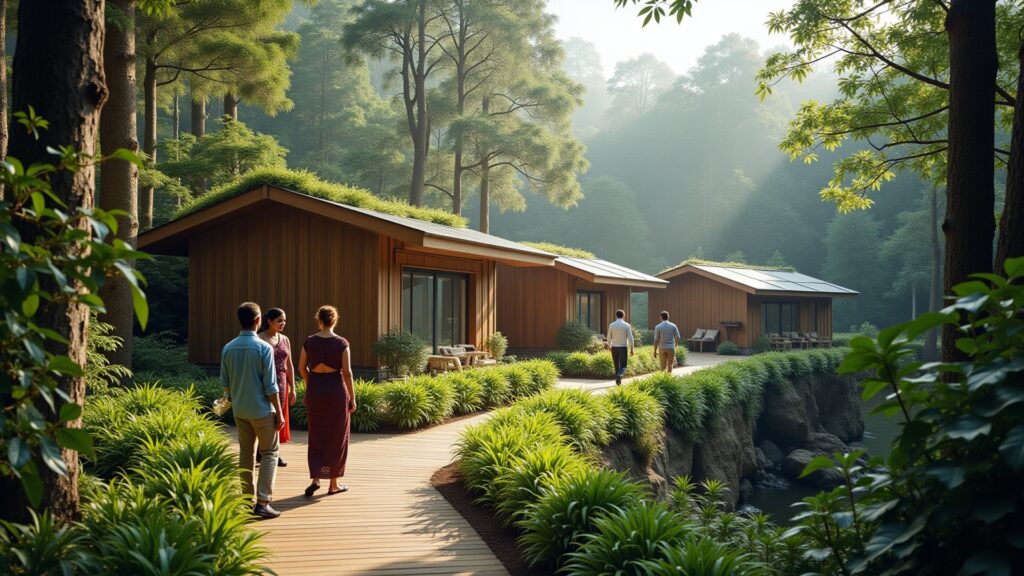
Most travelers seek a balance between luxury and sustainability, and that’s where eco-tourism resorts come in. I’m excited to share the top 10 destinations in India that not only provide opulent accommodations but also prioritize environmental conservation. These resorts showcase how you can enjoy lavish amenities while supporting local communities and preserving nature. Join me as we explore these stunning getaways that redefine what it means to travel green in style.
Key Takeaways:
- These eco-tourism resorts prioritize sustainable practices while offering luxury accommodations.
- They integrate local culture and nature to enhance the guest experience and promote conservation.
- Many resorts provide eco-friendly activities, such as wildlife tours and organic dining options.
What is Eco-Tourism?
Eco-tourism focuses on responsible travel to natural areas, conserving the environment, and improving the well-being of local communities. It aims to provide travelers with authentic experiences while promoting environmental sustainability and cultural integrity. By engaging with nature directly and minimizing one’s ecological footprint, eco-tourism allows you to enjoy beautiful landscapes without compromising the environment.
Definition and Principles
Eco-tourism is defined as responsible travel to natural areas, which conserves the environment and improves the well-being of local people. Its principles include minimizing environmental impact, respecting local cultures, and supporting conservation efforts. As you engage with nature, you contribute to preserving ecosystems and promoting community development.
Importance of Sustainable Travel
Sustainable travel is vital for reducing the negative impacts of tourism on the environment and local communities. It prioritizes eco-friendly practices, such as reducing waste and supporting local economies. By choosing sustainable options, you help preserve natural habitats and cultural heritage while ensuring that future generations can enjoy these resources.
The statistics reflect a pressing need for sustainable travel; over 1.5 billion international tourists traveled in 2019 alone, significantly impacting ecosystems and communities. Choosing eco-friendly accommodations and activities reduces your environmental footprint. For instance, resorts employing renewable energy sources or participating in wildlife conservation projects not only provide unique experiences but also invest back into the local community. By making conscious decisions in your travels, you become a critical part of the solution, supporting a sustainable travel ecosystem for the future.
Criteria for Selection
When opting for the eco-tourism resorts featured in this article, I considered their commitment to sustainability, luxury offerings, and integration of local culture. Each resort must meet strict benchmarks such as energy efficiency, waste management systems, and the use of renewable resources. Additionally, I assessed their amenities to ensure a perfect blend of comfort and environmental responsibility, giving you a truly indulgent experience that does not compromise the planet.
Environmental Practices
In evaluating environmental practices, I looked for resorts that employ sustainable energy solutions, such as solar panels and rainwater harvesting. Effective waste reduction strategies, including composting and recycling, are crucial. Notably, many of these resorts promote native flora in landscaping, which supports local biodiversity while minimizing resource consumption. This careful attention to ecological details ensures a minimal carbon footprint while providing luxury stays that you can feel good about.
Community Engagement
Community engagement is pivotal, as I sought resorts actively collaborating with local populations. These resorts often contribute to the economy through job creation and support local artisans by integrating their crafts into guest experiences. Engagement in local projects and environmental education programs is another factor I prioritized, ensuring your stay positively impacts local communities.
Many resorts, like those in Kerala’s backwaters, actively involve the community through initiatives such as offering workshops for local artisans, where you learn about traditional handicrafts or cooking classes featuring regional cuisine. Furthermore, some resorts form partnerships with nearby schools to enhance environmental education, fostering a sense of responsibility and creativity among the youth. These collaborative efforts not only enrich your experience but also support and empower the local economy, making your eco-tourism choices more meaningful.
Top Eco-Tourism Resorts in India
In exploring India’s diverse landscapes, these eco-tourism resorts not only showcase natural beauty but also promote sustainable living and conservation efforts while providing luxury amenities. I have curated a selection of exceptional resorts that offer unique experiences harmoniously integrated with their surroundings.
Resort 1: Vythiri Resort, Wayanad – Kerala’s Rainforest Retreat
Hidden deep within the lush Western Ghats, Vythiri Resort is a pristine escape into nature. Surrounded by dense rainforest, this retreat relies on traditional architecture, natural cooling systems, and responsible waste management. Guests enjoy treehouse stays, Ayurvedic therapies, and farm-to-table meals using locally grown produce. Nature walks, birdwatching, and jungle treks create authentic eco-connected experiences.
Resort 2: Banasura Hill Resort, Kerala – Earth Architecture Excellence
Constructed using mud-based compressed earth blocks, Banasura Hill Resort is one of Asia’s largest earthen resorts. Nestled amidst misty hills, it champions rainwater harvesting, solar power, and organic farming. Visitors can explore tribal villages, trek along the hills, and experience Kerala’s culture through guided interactions with local communities.
Resort 3: SwaSwara by CGH Earth, Gokarna – Wellness Meets Sustainability
Overlooking the Om Beach coastline, SwaSwara blends eco-conscious design with traditional wellness practices. Villas are built using local laterite stone and coconut thatch. The resort promotes holistic well-being through yoga, meditation, and Ayurvedic treatments. Their organic kitchen garden supplies most ingredients, while community workshops support regional artisans.
Resort 4: The Himalayan Village, Kasol – Himachal’s Rustic Luxury
Set in the Parvati Valley, this resort mimics Kathkuni-style Himachali architecture. Built entirely using local stone and deodar wood, it merges luxury with indigenous culture. Guests can visit nearby villages, learn about traditional farming methods, and experience folk art performances. The resort actively supports regional craftsmen and rehabilitates forest areas.
Resort 5: Evolve Back (Orange County), Coorg – Plantation Paradise
Located amid expansive coffee and spice plantations, Evolve Back integrates sustainability with elegant living. Their eco-sensitive model includes bio-gas plants, water recycling units, and waste segregation programs. Spice walks, plantation tours, and tribal village visits provide immersive experiences while supporting local livelihoods.
Resort 6: The Bison Resort, Kabini – Wildlife & Conservation Focused
Placed at the junction of Nagarhole and Bandipur National Parks, this resort emphasizes responsible wildlife tourism. It supports anti-poaching initiatives and partners with conservation NGOs. Luxurious tents offer wild yet comfortable stays, and safari tours are conducted under strict ecological guidelines to protect the surrounding forest ecosystem.
Resort 7: Dune Eco Village & Spa, Puducherry – Art, Wellness & Ecology
Spread across 35 acres, Dune Eco Village is powered partly by solar energy and uses recycled materials for construction. It promotes art, wellness, and organic living through ayurvedic treatments, permaculture farms, and eco-design workshops. Their beach clean-up drives and rainwater harvesting systems reflect deep environmental commitment.
Resort 8: V Resorts Sattal, Uttarakhand – Lakefront Sustainability
Overlooking the pristine Sattal lakes, this resort practices energy-efficient lighting, plastic-free hospitality, and biodegradable amenities. Guided birdwatching, forest walks, and boating experiences connect you with nature. The resort also supports local schools and helps employ women from nearby villages through cottage industry initiatives.
Resort 9: Spice Village by CGH Earth, Thekkady – Inspired by Tribal Living
Modeled after the traditional homes of the Mannan tribe, this resort redefines sustainable architecture. Everything—from furniture to roofing—is locally sourced. Waste is recycled, food is locally grown, and the resort uses zero imported packaged goods. Guests learn about tribal culture, wildlife conservation, and sustainable farming through immersive activities.
Resort 10: Grassroots Bungalow, Wayanad – Boutique Eco-Luxury
Grassroots offers tented eco-lodging that blends intimate luxury with responsible tourism. The resort uses solar energy, organic produce, and recycled materials, ensuring minimal environmental impact. Guests can explore tea and spice plantations, observe native bird species, and participate in local conservation efforts. Its low-density model ensures peace, privacy, and sustainability.
Benefits of Staying at Eco-Tourism Resorts
Staying at eco-tourism resorts offers a range of benefits that enrich your travel experience while promoting sustainability. You enjoy luxurious accommodations that are designed with eco-friendly materials and practices, which not only provide comfort but also minimize negative impacts on the environment. Additionally, you contribute to conservation efforts and local economies, ensuring that your getaway supports the communities you visit.
Enhancing Nature Conservation
By choosing eco-tourism resorts, you play a direct role in enhancing nature conservation efforts. Many of these resorts actively engage in preserving the local ecosystem through various initiatives, such as habitat restoration and wildlife protection programs. Your presence and financial support help fund these vital activities, ensuring that natural habitats remain intact for generations to come.
Supporting Local Economies
Opting for eco-tourism resorts means your stay directly supports local economies. These resorts typically source products and services from surrounding communities, allowing you to contribute to the livelihood of local artisans, farmers, and guides. By choosing to spend your money here, you’re actively participating in an economic model that prioritizes the well-being of the local populace.
The impact of supporting local economies is considerable; for example, in regions like Kerala, eco-tourism has boosted incomes for over 50,000 families through job creation and sustainable farming practices. You benefit from authentic experiences and local flavors while helping fund schools, healthcare, and infrastructure projects in those communities. This interconnectedness between travelers and locals fosters a more meaningful and enriching travel experience for everyone involved.
Challenges Faced by Eco-Tourism
While eco-tourism promotes sustainability, it grapples with multiple challenges. These include ensuring that practices do not inadvertently harm local ecosystems or cultures, managing the balance between conservation and visitor interest, and combating the pressures of increasing visitor numbers. Risks such as habitat disruption, pollution, and cultural commodification can undermine the very principles eco-tourism strives to uphold.
Balancing Luxury and Sustainability
Finding the sweet spot between luxury and sustainable practices poses a significant challenge for eco-tourism resorts. Guests often expect high-end amenities, which can conflict with eco-friendly principles. It takes innovative designs and practices to provide indulgent experiences while minimizing environmental footprints, such as using locally sourced materials and implementing energy-efficient systems.
The Impact of Mass Tourism
Mass tourism often leads to detrimental effects on local ecosystems and communities, overshadowing the benefits of eco-tourism. This influx can result in overcrowding, resource depletion, and environmental degradation, particularly in sensitive areas. Moreover, it can strain local infrastructure and disrupt the very cultures that draw visitors to these locations.
Take, for example, the popular hill stations in India. Regions like Manali and Shimla have witnessed a surge in tourists, inundating local resources such as water and accommodation. According to recent studies, these areas face severe ecological strain, with increased waste and pollution becoming a pressing concern. As tourism grows, the challenge lies in promoting responsible visitation that respects both the natural environment and the cultural fabric of the area.
Future of Eco-Tourism in India
The future of eco-tourism in India looks promising, as a growing number of travelers prioritize sustainability and environmental responsibility. With increasing awareness of climate change, eco-friendly travel options are becoming more appealing. This shift is prompting resorts and travel agencies to adopt green practices, thus creating a more sustainable tourism landscape that respects local cultures and environments.
Trends and Innovations
Innovations in eco-tourism are taking root, with many resorts integrating technology to enhance sustainability. From solar energy systems to zero-waste initiatives, accommodations are investing in sustainability. I’ve seen resorts offering biodegradable amenities and incorporating permaculture practices, ensuring that they both minimize their environmental impact and enhance guest experiences.
Policies Supporting Eco-Tourism
Government policies are increasingly favoring eco-tourism initiatives. In India, the Ministry of Tourism promotes sustainable practices through various incentives, including financial support for eco-friendly projects. These policies aim to align the tourism sector with environmental goals and encourage local communities to engage in conservation efforts.
In India, the government has introduced several policies to support eco-tourism, such as the National Eco-Tourism Policy, which fosters responsible travel and conservation. This policy advocates for community participation, ensuring that local populations benefit from tourism activities. Additionally, regulatory frameworks are being developed to certify eco-friendly resorts, incentivizing tourism providers to adopt practices that are both lucrative and eco-conscious. These steps not only protect our natural heritage but also create sustainable income opportunities for rural communities across the country.
Final Words
Drawing together my exploration of the 10 eco-tourism resorts in India that redefine green luxury, I find these establishments seamlessly blend comfort with sustainability. Each resort offers a unique experience that not only allows you to indulge in nature but also emphasizes the importance of responsible travel. By choosing these destinations, you not only enhance your travel experience but also contribute to preserving the environment and supporting local communities. This harmonious coexistence of luxury and eco-consciousness is a trend I believe will continue to grow in importance.
FAQ
Q: What are some eco-tourism resorts in India that focus on sustainability?
A: Some eco-tourism resorts in India that emphasize sustainability include Vythiri Resort in Wayanad, Kerala, which blends into the rainforest; The Himalayan Village in Kasauli, Himachal Pradesh, featuring traditional architecture; and SwaSwara in Gokarna, Karnataka, known for its wellness approach and local materials.
Q: How do these resorts contribute to environmental conservation?
A: These resorts contribute to environmental conservation by using sustainable construction materials, implementing waste management systems, conserving water through rainwater harvesting, and encouraging the local community through employment and sourcing of food products locally.
Q: What luxury amenities can guests expect at eco-tourism resorts in India?
A: Guests can expect luxury amenities such as private villas with beautiful views, organic dining options, spa services using natural products, guided nature tours, and various activities that promote wellness and relaxation while being mindful of the environment.