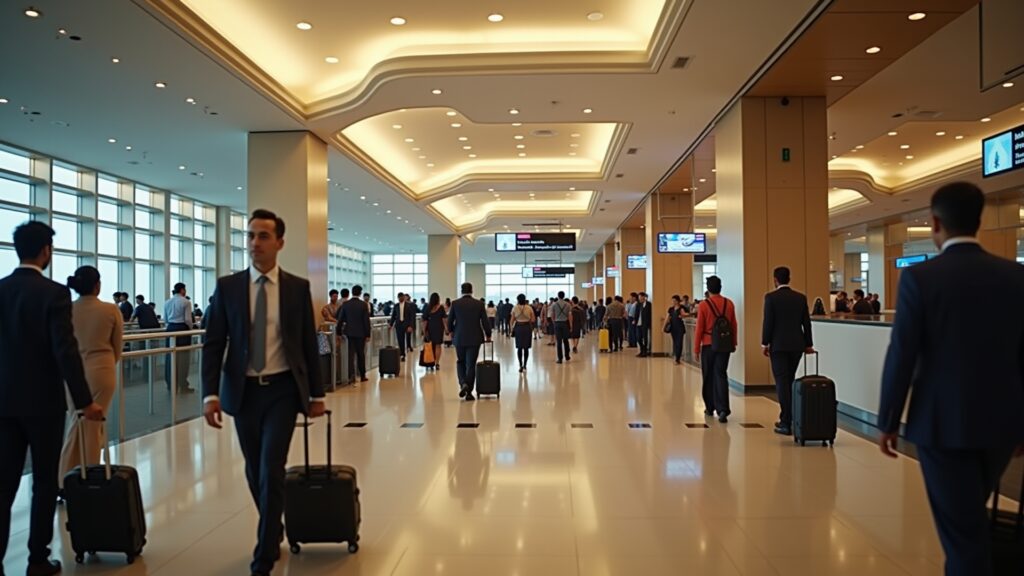
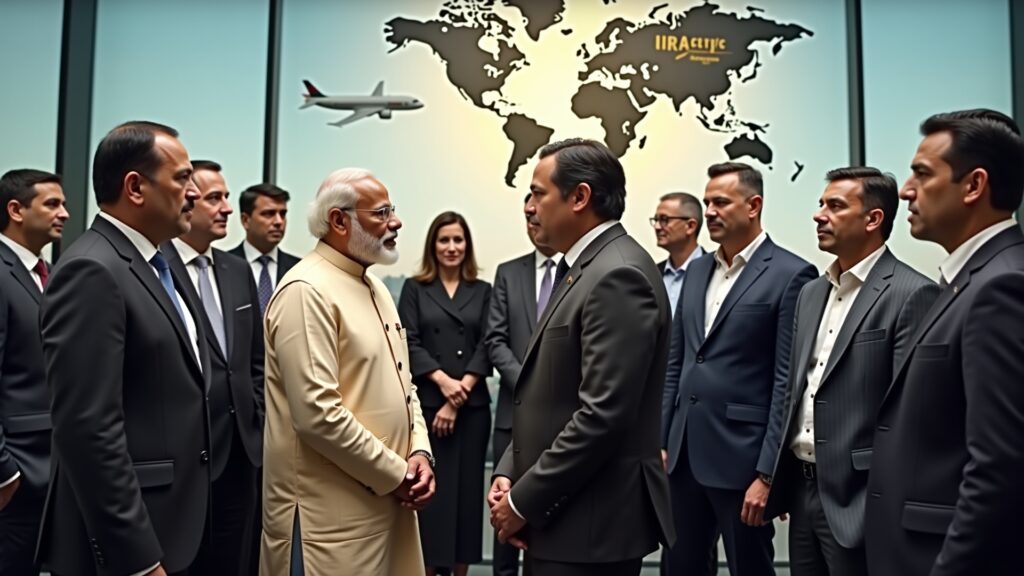
As a leader or stakeholder in the tourism industry, you need to closely watch how global geopolitical events ripple into regional luxury travel markets. The recent Middle East tensions are directly influencing booking patterns and traveler confidence, notably in Rajasthan’s premium tourism sector—home to iconic experiences like the Palace on Wheels. Understanding these impacts is essential for steering your tourism business, hotel strategy, or destination development plan through uncertain terrain.
Why This Matters to You
The luxury travel segment in Rajasthan depends significantly on affluent international tourists, with the Middle East being a key source market. When geopolitical instability causes cancellations and declining bookings, the consequences extend far beyond a temporary dip in revenue. You face operational challenges, pressure on average daily rates (ADR) and revenue per available room (RevPAR), and a need to rethink connectivity and marketing strategies. The volatility also threatens the broader tourism ecosystem including aviation, local crafts, cultural offerings, and service providers.
What Is Happening
The Palace on Wheels, one of Rajasthan’s flagship luxury tourism products, has seen a noticeable drop in bookings and trip cancellations linked to the Middle East tensions. These developments underscore the vulnerability of high-value, experience-driven tourism products to international political instability. While this may appear isolated, it reflects a wider exposure of destination economies reliant on concentrated, geopolitically sensitive source markets.
Business and Destination Impact: Navigating Market Volatility
For you managing a hotel, travel brand, or destination ecosystem in Rajasthan, this scenario signals the urgent need for diversification. Middle Eastern travelers have historically supported superior ADR and RevPAR figures, underpinning the profitability of premium hospitality offerings. Reduced arrivals directly affect your top line, and the knock-on effects—reduced aviation demand and slow local economic activity—compound the challenge.
Aviation stakeholders will need to reassess route strategies, balancing the risk of weakened Middle East demand with the opportunity to attract travelers from emerging and domestic markets. Such shifts inevitably require collaboration across tourism boards, airlines, and hospitality operators to reconfigure resource allocation and promotional efforts.
Balancing Growth with Resilience and Sustainable Practices
This current downturn shines a spotlight on a critical strategic insight: rapid tourism growth without resilience mechanisms is fragile. To sustain Rajasthan’s premium positioning, you’ll have to deepen engagement with India’s emerging domestic markets—from Tier-2 and Tier-3 city travelers to wellness and experiential seekers. Gaining a foothold in new international markets beyond the Middle East is also paramount to mitigating concentrated market risk.
“In tourism, demand matters — but destination readiness is what converts interest into durable growth.” Leveraging advanced travel technology and digital platforms will be key in tracking evolving consumer booking behaviors and preferences. This agility allows your marketing and distribution strategies to flex with changing geopolitical realities, preserving demand flow for luxury experiences like the Palace on Wheels.
Strategic Insight: Cultivating Agility and Premiumisation
Your long-term competitiveness hinges on embracing premiumisation and sustainability as core pillars. Experiential offerings that blend heritage, culture, and bespoke services resonate deeply with discerning travelers who remain less price-sensitive despite crisis. Strengthening infrastructure, enhancing destination readiness, and integrating sustainable tourism practices will not only boost appeal but also ensure operational continuity amid external shocks.
“The real edge is not only in attracting visitors, but in building experiences, infrastructure, and trust that keep them coming back.”
Practical Takeaways for Tourism Leaders and Investors
- Understand and monitor geopolitical risk: Stay informed on global political dynamics and their potential travel implications.
- Diversify market outreach: Expand focus on domestic and emerging international markets to balance high-value but volatile Middle Eastern segments.
- Enhance digital agility: Invest in travel-tech tools to track changing consumer behavior and adapt marketing strategies dynamically.
- Strengthen aviation connectivity: Collaborate with airlines to optimize routes and introduce alternatives to sustain passenger flow.
- Invest in premium infrastructure and sustainability: Elevate guest experiences while embedding responsible tourism practices to future-proof your offerings.
- Align ecosystem stakeholders: Foster partnerships among tourism boards, hoteliers, aviation, and local businesses for cohesive recovery strategies.
Risks and Challenges Ahead
Geopolitical uncertainty may persist or escalate, prolonging its impact on luxury travel confidence. High dependence on a single foreign market risks erosion of stable revenue streams. There is also the challenge of reorienting marketing and operational frameworks rapidly, plus the capital investment needed for new infrastructure and technology to compete globally. You must manage these risks strategically to avoid reactive, short-term decisions that could undermine long-term growth.
What You Should Watch Next
Keep a close eye on geopolitical developments in the Middle East and their translation into travel advisories or airline connectivity changes. Monitor shifts in booking patterns on digital platforms and the emergence of new source markets. Track investments by Rajasthan’s tourism ecosystem in resilience-building infrastructure and sustainable premium products. These indicators will shape when and how the luxury tourism segment rebounds.
Conclusion
The impact of Middle East tensions on Rajasthan’s luxury tourism sector, exemplified by the Palace on Wheels experience, offers a critical case study in how interconnected geopolitical dynamics affect destination economics and business performance. For your tourism or hospitality venture, this is a call to strategic action—diversify your markets, harness digital insights, invest in infrastructure resilience, and prioritize premiumisation and sustainability. By doing so, you can safeguard your competitive positioning and continue to attract discerning travelers despite geopolitical uncertainties.
“When connectivity, hospitality quality, and destination strategy align, tourism growth becomes far more sustainable.”