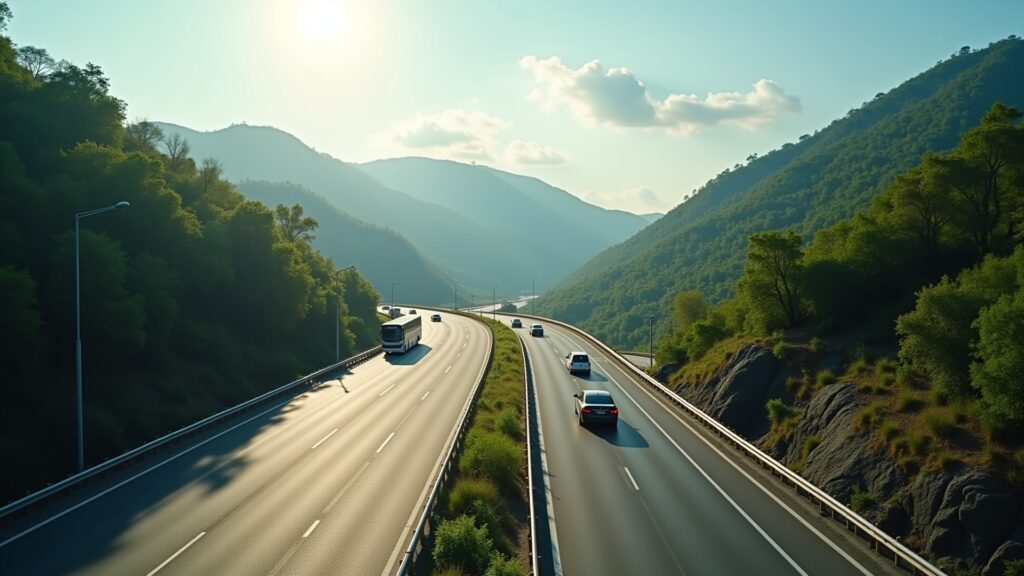
The inauguration of the new Delhi-Dehradun expressway, slashing travel time from the nation’s capital to the Himalayan gateway to just 2.5 hours, is not merely a transport milestone—it signals a profound shift in the northern Indian tourism ecosystem. If you lead a tourism business, manage hospitality assets, or invest in destination development, this infrastructure upgrade directly impacts your strategic horizon. This expressway reshapes connectivity, competitiveness, and visitor dynamics in a region poised for accelerated growth and premiumisation.
Why This Matters to You
As a tourism or hospitality executive, you understand the critical role that accessibility plays in unlocking demand and optimizing revenue streams. The Delhi to Dehradun expressway tourism impact is tangible—it enhances regional connectivity and shortens journeys dramatically, transforming Dehradun and its neighboring locales into more viable options for weekenders, spiritual travelers, wellness seekers, and MICE organizers. This means higher occupancy rates, better average daily rates (ADR), and the chance to diversify your guest profiles.
The expressway also broadens the catchment area, enabling you to tap into emerging Tier-2 and Tier-3 city markets with greater ease. For investors, this signifies an evolving landscape where capital allocation towards integrated infrastructure and experiential offerings could yield higher returns. Strategically, the expressway positions both Dehradun and linked destinations like Rishikesh and Haridwar to compete more effectively against entrenched Himalayan competitors.
What is Happening: The New Expressway Unpacked
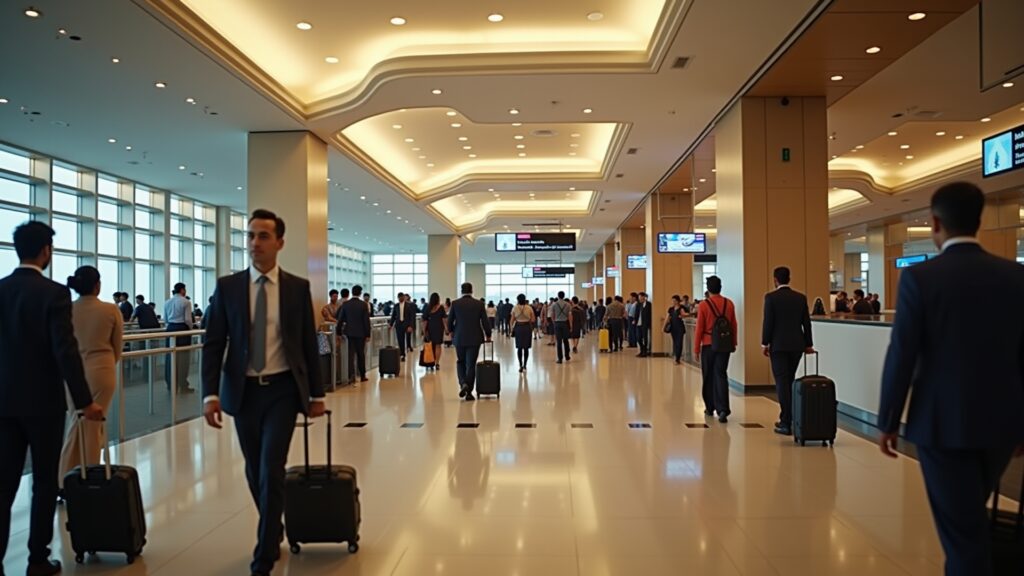
The expressway reduces the previous 6-7 hour journey from Delhi to Dehradun to a swift 2.5-hour drive. This upgrade is a fundamental enabler for the Northern tourism corridor, improving road quality and travel reliability. Not just a transportation upgrade, it aligns with complementary aviation expansion and digital booking platforms that collectively streamline multi-modal tourism access.
From a tourism infrastructure perspective, this means destinations and hotels along the route have a fresh imperative to reimagine their products for accelerated visitor inflow and upgraded service expectations. The expressway serves as a backbone, delivering visitors faster and more comfortably to the Himalayan foothills, known for their spiritual sanctuaries and emerging wellness retreats.
Key Business and Market Implications
- Increased Tourist Volume and Diversification: Quicker connectivity will catalyze visitor numbers from urban and peri-urban markets, particularly weekend travelers and pilgrimage tourists.
- Boost to Hospitality Revenue Metrics: Properties can anticipate higher occupancy and ADR gains from increased demand for short stays and premium experiences informed by convenience.
- Expanded Investment Appeal: The expressway enhances the region’s attractiveness for MICE tourism, wellness resorts, and integrated destination projects, prompting fresh investor interest.
- Multi-Modal Travel Synergies: Complementing airport expansions around Dehradun aligns air and road travel, facilitating seamless tourism flows.
- Destination Competitiveness: The expressway elevates Dehradun’s standing against other Himalayan destinations by delivering unmatched accessibility.
Strategic Insights: Navigating the New Landscape
Enhanced connectivity does more than reduce travel time—it redefines how you position your destination, products, and services. The expressway fosters weekend and short-stay travel, demanding tailored offerings like experiential packages, boutique hotels, and wellness circuits that prioritize convenience and exclusivity.
There’s an emerging opportunity to integrate sustainable development principles, ensuring that tourism growth does not compromise the fragile ecological fabric of the Himalayas or disenfranchise local communities. Smart infrastructure investments, including last-mile connectivity and digital guest experiences, will be powerful differentiators.
“In tourism, demand matters — but destination readiness is what converts interest into durable growth.”
“The real edge is not only in attracting visitors, but in building experiences, infrastructure, and trust that keep them coming back.”
Practical Takeaways for Tourism Leaders and Investors
- Recalibrate Product Mix: Design offerings that cater to short-term visitors, upscale travelers, and spiritual tourism segments responding to improved connectivity.
- Leverage Regional Partnerships: Collaborate with destinations along the route such as Rishikesh and Haridwar to create unified tourism circuits.
- Focus on Digital and Multi-Modal Access: Integrate booking platforms and transport links to create seamless traveler journeys.
- Prioritize Sustainability: Embed responsible tourism frameworks to ensure economic growth aligns with ecological preservation.
- Monitor Policy Developments: Engage with government initiatives complementing road upgrades with aviation and technology infrastructure.
Addressing Risks and Challenges
While the expressway unlocks broad potential, it also presents challenges you must vigilantly manage. Over-tourism could stress local resources and fragile Himalayan ecosystems if growth is unchecked. Infrastructure planning must anticipate carrying capacities, and community benefits need intentional design to prevent displacement or economic imbalance.
Additionally, the hospitality sector must avoid complacency; improved access raises visitor expectations for quality and exclusivity. Strategic investments in service excellence, experience innovation, and smart infrastructure are non-negotiable.
What to Watch Next
Keep an eye on complementary developments such as aviation capacity expansions at Dehradun airport, digital platform integrations for enhanced booking and traveler data insights, and policy shifts geared towards tourism ecosystem coordination. These elements will decisively shape how the Delhi to Dehradun expressway tourism impact plays out over the medium term.
Conclusion
The new Delhi-Dehradun expressway is a transformative infrastructure asset that redefines northern India’s tourism landscape. As a stakeholder in tourism business, hospitality, or investment, you must strategically respond to its far-reaching implications. By innovating products, fostering regional collaboration, and embedding sustainability principles, you can harness the expressway’s potential to drive profitable, responsible, and competitive destination growth.
“When connectivity, hospitality quality, and destination strategy align, tourism growth becomes far more sustainable.”