As you strategize your next move in the tourism sector, understanding the pulse of recovering destinations is crucial. Kashmir, a name synonymous with breathtaking landscapes and rich cultural heritage, is currently grappling with a slow and uneven tourism recovery that demands your attention. With hotel occupancy hovering at around 30%, the region is far from regaining its pre-pandemic vibrancy, presenting both critical challenges and opportunities for your tourism business, investments, and destination development plans.
Why This Matters to You
Whether you lead a hospitality venture, manage a destination brand, or steward investments into tourism infrastructure, Kashmir’s tepid comeback is a bellwether. It underscores the intricate interplay of security concerns, connectivity constraints, and infrastructure gaps that shape traveler behavior and, by extension, your profitability and growth potential. Ignoring these dynamics risks underestimating the complexities of destination recovery and overestimating market readiness for new ventures.
What Is Happening in Kashmir’s Tourism Landscape
Kashmir’s tourism sector is experiencing a notable shortfall compared to the robust traffic seen before the pandemic. Despite its unmatched scenic allure, visitor numbers remain significantly suppressed, and hotel occupancy languishes at about 30%. This sluggish recovery reflects ongoing regional security perceptions, limited aviation connectivity, and infrastructural shortcomings that collectively dampen traveler confidence and curtail demand.
Key Business and Market Implications
The persistent low hotel occupancy is a signal flare for hospitality executives and investors. When occupancy rates dip this low, critical financial metrics like Average Daily Rates (ADR) and Revenue per Available Room (RevPAR) face severe pressure, compromising profitability and investor returns. As you plan your next steps, consider how these factors might necessitate innovative pricing, diversified service offerings, or partnerships to invigorate demand.
For destination developers and policy architects, the current state reveals an unfinished agenda on integrated destination management and infrastructure enhancement. Without addressing these foundational elements, efforts to reposition Kashmir as a secure, premium destination will fall short.
Connectivity and Infrastructure: Primary Levers for Growth
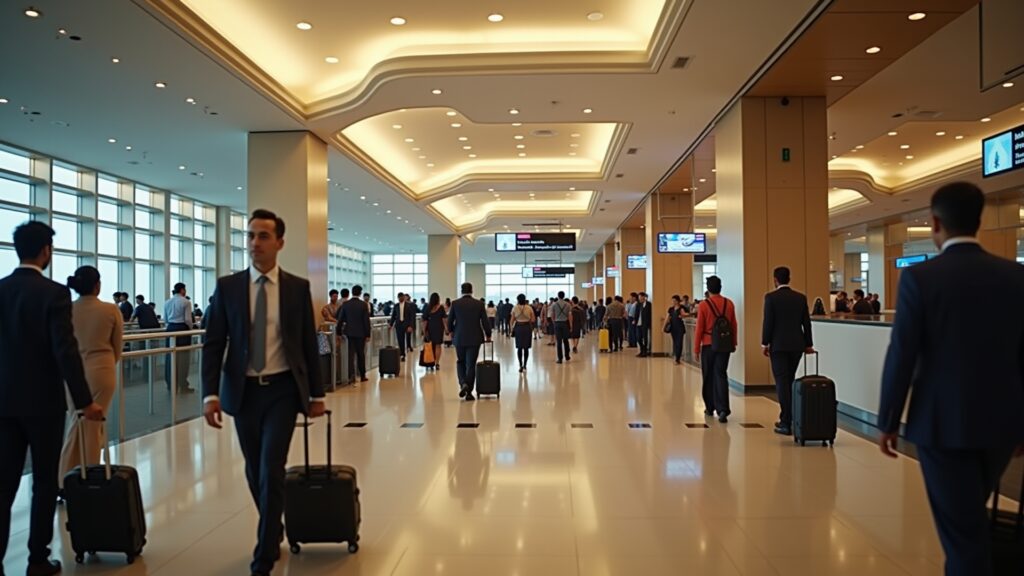
You cannot overlook the critical role of connectivity — especially direct aviation links — in releasing Kashmir’s tourism potential. Increasing direct flight availability, upgrading ground transportation, and ensuring seamless last-mile accessibility are indispensable for restoring traveler trust and boosting occupancy across the hospitality sector. Investments in sustainable, high-quality infrastructure will also open doors to high-yield segments like luxury tourism, spiritual retreats, and wellness travel, which are increasingly pivotal in premium destination strategies.
Strategic Insight: Leadership and Collaborative Investment
What this recovery phase most urgently requires is sustained, strategic leadership that fosters collaboration among tourism boards, government bodies, private investors, and local communities. Aligning efforts around a unified vision focused on safety, hospitality excellence, and targeted marketing can unlock scalable investments and innovation—particularly travel technology solutions that elevate the visitor experience and operational efficiency.
“In tourism, demand matters — but destination readiness is what converts interest into durable growth.”
“The real edge is not only in attracting visitors, but in building experiences, infrastructure, and trust that keep them coming back.”
Practical Takeaways for Tourism Leaders and Investors
- Monitor Occupancy and Demand Patterns: Use real-time analytics to understand shifting traveler behaviors and tailor offerings accordingly.
- Invest in Connectivity: Advocacy for expanded direct flights and improved transport infrastructure should be a strategic imperative.
- Prioritize Destination Readiness: Push for integrated destination management solutions that marry infrastructure with sustainability and community engagement.
- Diversify Product Offerings: Develop offerings targeting luxury, wellness, and experiential segments to capture premium travelers.
- Leverage Digital Transformation: Employ travel-tech innovations to optimize bookings, personalize experiences, and enhance operational agility.
Risks and Challenges Ahead
You must be mindful of the ongoing risks that could stall recovery or reverse gains. These include geopolitical tensions that influence perception, the slow pace of infrastructure upgrades, and the challenge of coordinating multi-stakeholder interests. A fragmented approach could dilute brand positioning and investor confidence.
“When connectivity, hospitality quality, and destination strategy align, tourism growth becomes far more sustainable.”
What You Should Watch Next
Your strategic radar should track several indicators: government policy shifts around tourism infrastructure and security; aviation route expansions; the success of marketing campaigns repositioning Kashmir; and investment flows into hospitality and allied sectors. Pay close attention to emerging travel-tech solutions deployed locally and regional partnerships aimed at enhancing Kashmir’s tourism ecosystem.
Conclusion: Navigating Kashmir’s Tourism Recovery for Long-Term Value
Kashmir’s slow tourism recovery offers you a compelling case study in the complex realities of rebuilding a destination amid multiple challenges. By focusing on infrastructure readiness, connectivity improvements, strategic leadership, and premium market positioning, you can help steer the region toward sustainable growth. Your decisions today—from investment to operational strategy—will be pivotal in transforming Kashmir from a struggling recoverer to a resilient, competitive, and premium destination in the global tourism economy.
Understanding Kashmir tourism recovery is essential for shaping a future-ready, profitable, and resilient tourism sector in this iconic destination.