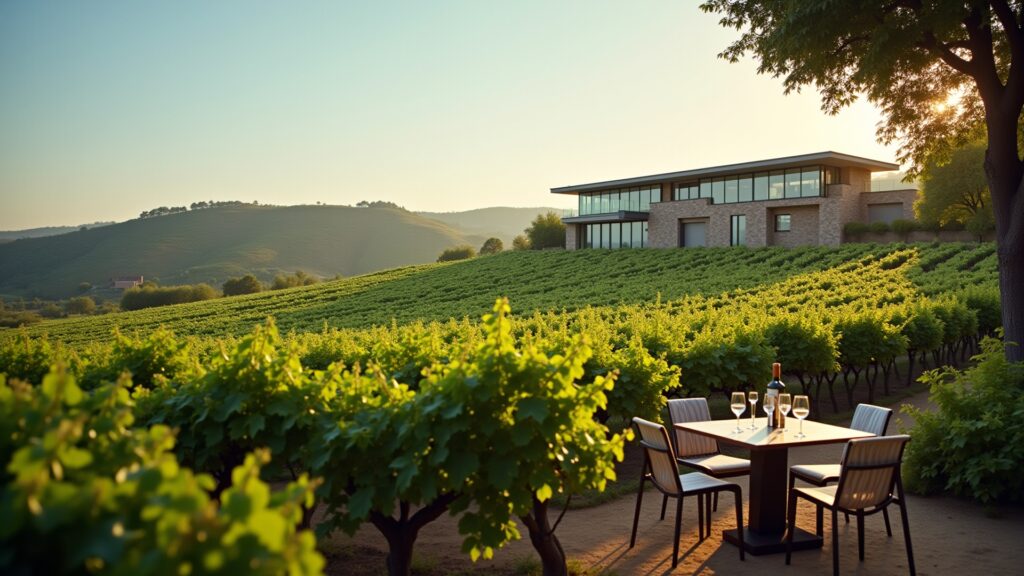
As a stakeholder in the evolving landscape of Indian tourism, you must recognize the strategic significance behind Sula Vineyards’ recent acquisition of the Chandon India estate for ₹20 crore. This is far more than a high-profile transaction within the viticulture sector — it marks a seminal move that directly impacts destination development, luxury hospitality, and tourism economics in India’s premium travel market.
Why This Acquisition Matters to You
If you lead a tourism business, manage a luxury hotel, oversee destination strategy, or guide investments, this deal should command your full attention. It exemplifies how integrated hospitality and experiential tourism assets can be expanded to create synergistic growth. By strengthening the association between wine production and premium tourism, Sula is setting a benchmark for innovation in destination branding and experiential offerings — factors that can powerfully differentiate your own tourism product lines and investment portfolios in a competitive market.
What’s Happening: The Acquisition Explained
Sula Vineyards, already heralded as a flagship player in Indian wine tourism and hospitality, has purchased the Chandon India estate, an established luxury vineyard, as part of a carefully curated strategy. The ₹20 crore investment marks a deliberate push to amplify its footprint beyond production, by crafting immersive wine tourism experiences that engage premium domestic and international travelers.
This move aligns with growing trends where consumers are not just buying products but investing in experiences — particularly those combining luxury, culture, gastronomy, and wellness alongside travel. For the tourism ecosystem, that means Sula is evolving from vineyard operator to a comprehensive destination experience provider, enhancing tourism infrastructure and visitor value.
Key Business and Market Implications
- Destination Development and Premiumisation: By integrating Chandon India into its portfolio, Sula creates a tourism cluster that boosts destination appeal through a mix of wine production and high-end leisure services. This synergy elevates destination branding at a national and international level.
- Enhanced Hospitality Economics: Hospitality operators benefit from the increased scale and curated experiences, leading to improved occupancy and higher average daily rates (ADR). Lifestyle and leisure segments seeking bespoke vineyard visits, coupled with luxury accommodation and gourmet dining, diversify and stabilize revenue streams.
- Investment Confidence in Emerging Regions: The deal’s focus on a high-value asset in an emerging leisure zone exemplifies investor trust in scalable tourism models outside traditional metropolitan centers. Enhanced aviation and regional connectivity catalyze such potential.
- Market Consolidation and Strategic Partnerships: Sula’s acquisition may inspire further M&A activity that fuses luxury, heritage, and sustainable agritourism, unlocking new growth vectors while supporting local economies.
“In tourism, demand matters — but destination readiness is what converts interest into durable growth.”
Deep Strategic Insight: Positioning for Long-Term Success
This acquisition illustrates a broader shift toward experience-driven, cluster-based destination development in India. You should recognize that the real competitive advantage now lies not just in possessing premium assets but in architecting cohesive visitor journeys that combine production, hospitality, culture, and sustainability.
For leaders focused on sustainable growth, this signals the importance of balanced ecosystem development that encourages community engagement and responsible tourism, ensuring long-term destination appeal.
Moreover, you’ll notice that aviation connectivity enhancements amplify the impact of localized investments like these. Improved air links to regional assets facilitate higher visitation volumes and diversify traveler demographics, helping tourism enterprises grow their reach and resilience.
Practical Takeaways: What Tourism Leaders Should Do Next
- Prioritize Integrated Product Development: Develop tourism experiences that combine production, leisure, gastronomy, and wellness to attract discerning travelers.
- Expand Investment Horizons: Look beyond traditional urban centers to emerging Tier-2 and Tier-3 destinations with strong growth potential fostered by improved connectivity.
- Foster Public-Private Collaboration: Engage policymakers to support infrastructure and regulatory frameworks that facilitate tourism innovation and investment.
- Champion Sustainability and Community Involvement: Ensure developments benefit local communities and align with sustainable practices to safeguard long-term competitiveness.
“The real edge is not only in attracting visitors, but in building experiences, infrastructure, and trust that keep them coming back.”
Assessing Risks and Challenges
While this acquisition exemplifies forward-thinking strategy, you should also be mindful of potential challenges in similar ventures. These include maintaining the delicate balance between expansion and sustainable resource management, ensuring infrastructure keeps pace with visitor demand, and safeguarding authenticity against over-commercialization.
Additionally, integrating two distinct operational cultures and maintaining consistent quality across expanded offerings require careful management to realize anticipated economic benefits fully.
What to Monitor Going Forward
- Performance metrics on occupancy rates, ADR, and visitor satisfaction at the merged estate.
- Further consolidation trends and partnerships within premium tourism sectors.
- Policy developments supporting tourism infrastructure investment and sustainability norms.
- Regional aviation connectivity improvements facilitating access to emerging destinations.
- Innovations in agritourism and experiential hospitality that could redefine market expectations.
Conclusion: A Strategic Signal for Indian Tourism’s Premium Trajectory
Sula Vineyards’ acquisition of the Chandon India estate is a significant business milestone that signals maturity and evolution within India’s premium tourism and hospitality sectors. It provides a compelling blueprint for how you can leverage brand equity, diversified experiential offerings, and integrated destination investments to drive sustainable growth.
For you as a tourism leader, investor, or policymaker, this development underscores the rising importance of crafting seamless, high-value experiences tethered to emerging Indian destinations. It also highlights the strategic necessity to align hospitality, infrastructure, aviation, and sustainability efforts — ensuring that your ventures are well-positioned to capitalize on the burgeoning demand for luxury and experiential travel within India and beyond.
“When connectivity, hospitality quality, and destination strategy align, tourism growth becomes far more sustainable.”