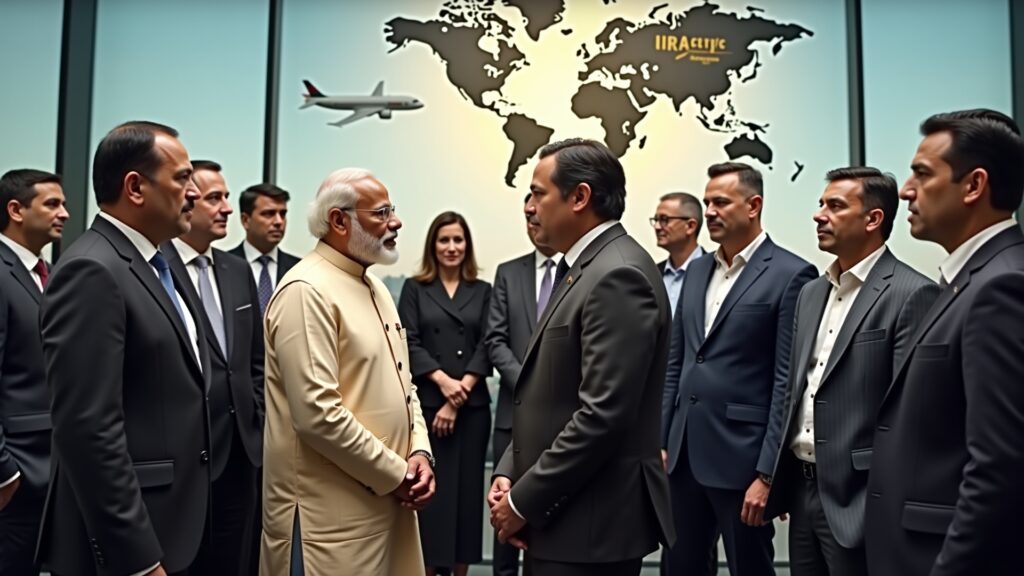
The ongoing geopolitical tensions in the Middle East are creating significant ripples across India’s medical tourism industry—a sector intrinsic to your healthcare infrastructure and tourism economy. As a decision-maker in hospitality, healthcare, investment, or destination development, understanding how this shift impacts your business strategy and long-term positioning is not just important; it’s imperative.
Why This Matters to You
If your enterprise spans hospitals, wellness resorts, travel agencies, aviation, or destination management, the Middle East conflict’s fallout on patient inflows directly affects your revenue streams and operational forecasts. The Middle East has historically been a powerhouse market for Indian medical tourism, funneling high-value patients with complex treatment needs who contribute disproportionately to hospital occupancy rates and foreign exchange earnings. This disruption demands strategic recalibration—not reactive fixes.
What Is Happening in India’s Medical Tourism Sector?
The escalation of conflict in the Middle East has prompted travel uncertainties, heightened risk perceptions, and logistical obstacles for patients seeking treatment in India from this region. Major hospital chains report a steep decline in foreign patient volumes from the Gulf, leading to lower average revenue per available room (ARPAR) and strained profitability metrics. This downturn threatens the significant diversification gains hospitals have fought to achieve amid evolving healthcare demands.
Key Business and Market Impacts
- Revenue and Occupancy Declines: Reduced patient inflows from the Middle East depress hospital revenues, affecting private healthcare margins and downstream hospitality segments.
- Foreign Exchange and Investment Cycles: The dip curtails vital foreign exchange earnings linked to medical tourism, which underpin reinvestment in infrastructure and technology.
- Aviation and Connectivity: Disrupted travel routes and diminished airline passenger load factors affect both direct and indirect tourism-related businesses.
- Destination Competitiveness: Hubs reliant on Middle Eastern medical travelers face competitive risks against emerging global destinations offering integrated health and wellness experiences.
Strategic Insight: Navigating the New Landscape
This geopolitical challenge reveals a fundamental truth: dependency on a singular source market is a vulnerability in your strategic model. To future-proof your ventures, you must embrace geographic diversification into growing markets such as ASEAN, Africa, and selective European countries. Investment in digital patient acquisition tools—multilingual telemedicine, AI-driven patient engagement platforms, and personalized health-travel app integrations—can stabilize flows and broaden your outreach beyond traditional boundaries.
Additionally, upgrading destination readiness is key. Seamless travel connectivity, advanced infrastructure, and service excellence form the triad that converts health travelers into loyal global patrons. Collaborative ventures with aviation partners to unlock alternative routes and improve transit incentives can reestablish dependable patient pipelines.
“In tourism, demand matters — but destination readiness is what converts interest into durable growth.”
Practical Takeaways for Tourism and Healthcare Leaders
- Understand Market Vulnerabilities: Monitor geopolitical developments closely to anticipate demand shocks.
- Accelerate Diversification: Explore emerging medical tourism markets beyond the Middle East to distribute risk.
- Leverage Technology: Invest heavily in telemedicine and digital platforms aimed at international patient acquisition and retention.
- Boost Infrastructure & Connectivity: Collaborate with aviation and travel sectors to develop alternative travel corridors.
- Integrate Wellness & Premium Experiences: Position medical tourism offerings alongside luxury wellness and cultural travel to enhance destination appeal.
- Advocate for Policy Support: Engage policymakers to streamline regulations and promote incentives for sustainable sector growth.
“The real edge is not only in attracting visitors, but in building experiences, infrastructure, and trust that keep them coming back.”
Risks and Challenges Ahead
You must remain vigilant about deeper risks: prolonged geopolitical instability could amplify foreign patient aversion, leading to extended revenue shortfalls. Overdependence on emerging markets without adequate cultural competence or regulatory insight may backfire. Moreover, digital transformations require significant upfront capital and organizational change management to be effective.
Finally, competitive pressures from alternative medical tourism destinations—with advanced integration of wellness, luxury travel, and patient-centric innovations—may accelerate during this disruption.
What You Should Watch Next
Keep a close eye on evolving Middle East geopolitical scenarios and emerging patient sourcing trends. Evaluate how airline connectivity realigns to support alternative routes and how digital health policies adapt to international patient needs. Also, track cross-sector partnerships and investment flows that indicate shifts in medical tourism ecosystem dynamics.
Conclusion: Securing Resilience amid the Middle East Conflict Impact on India’s Medical Tourism
The current Middle East conflict impact on India’s medical tourism highlights a crucial imperative for strategic agility in your sector. To thrive, build resilience through market diversification, aggressive digital transformation, integrated destination development, and proactive policy advocacy. By doing so, you not only shield your enterprise from geopolitical turbulences but also position India’s medical tourism industry as a globally competitive, sustainable, and premium health travel destination for the years to come.
“When connectivity, hospitality quality, and destination strategy align, tourism growth becomes far more sustainable.”