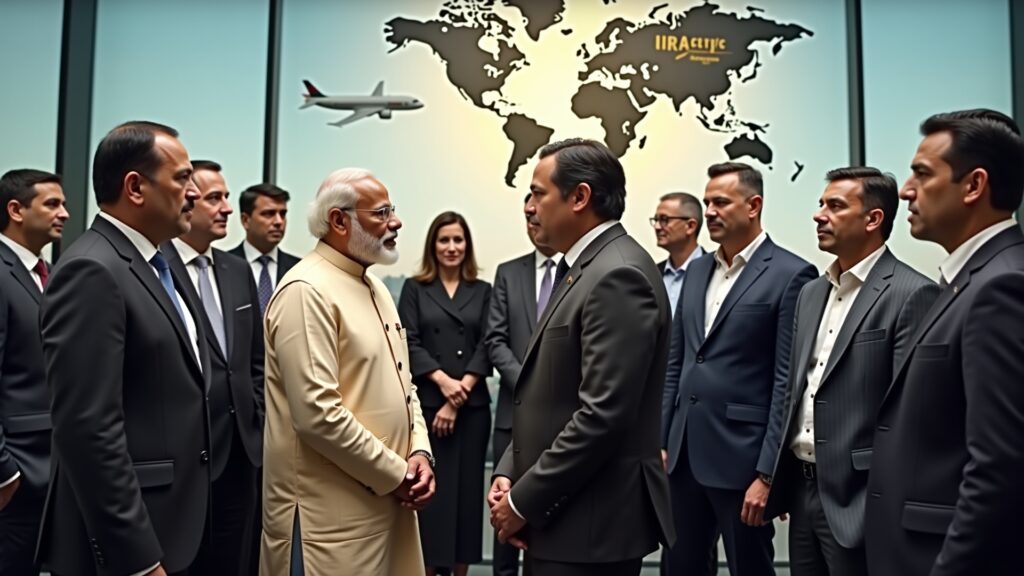
As a leader in the tourism, hospitality, or connectivity sector, you need to understand the seismic shift Prime Minister Narendra Modi’s recent Indo-Pacific tour represents for India’s tourism economy and regional integration. This three-nation diplomatic tour is not just headline news; it is a strategic blueprint reshaping how India positions itself within the vast and economically pivotal Indo-Pacific region. For your tourism business, infrastructure investment, or destination strategy, this shift demands your immediate strategic attention and adaption.
Why This Strategic Pivot Matters to You
Your business thrives on connectivity, accessibility, and cross-border collaboration. Modi’s Indo-Pacific agenda directly influences aviation networks, multi-modal infrastructure development, and high-value tourism circuits that can redefine traveler flows and investment priorities. Whether you are a hotel group eyeing new markets, a travel company optimizing routes, or an investor scouting growth corridors, the emerging Indo-Pacific framework recalibrates the competitive landscape. Grasping this policy evolution enables you to align with India’s expanding role as a transit and destination hub.
The Evolution of India’s Indo-Pacific Policy
The Indo-Pacific region is becoming the fulcrum of global economic and geopolitical engagement. Modi’s tour—covering key nations—signals a concerted push towards strengthening multilateral partnerships that extend beyond security and trade into tourism and infrastructure synergy. This transition reflects a holistic approach where tourism is recognized not just as a byproduct of diplomacy but as a strategic economic driver enhancing regional integration and connectivity corridors.
Key Business Implications: Aviation and Connectivity Expansion
For aviation stakeholders, the implications are profound. Enhanced diplomatic ties often catalyze new bilateral air service agreements, route expansions, and airport infrastructure investments—especially targeting Tier-2 and Tier-3 cities that have historically been underutilized. This presents opportunities for growing inbound tourism volumes, premium travel segments, and regional airport catchment development. Your aviation or airport business should anticipate a wave of connectivity projects unlocking latent demand and enabling seamless travel experiences across the Indo-Pacific.
Destination Development and Tourism Collaboration Across Borders
If you’re a destination developer or tourism operator, Modi’s tour underscores an emerging strategy to build integrated tourism circuits. These circuits connect India’s rich cultural, spiritual, and wellness assets with those of its Indo-Pacific neighbors, targeting high-yield travelers seeking immersive experiences. Wellness retreats, pilgrimage circuits, and luxury experiential travel are poised for growth as cross-border tourism collaborations increase, creating unique branded infrastructure opportunities and enriching destination competitiveness.
Policy and Investment Trends You Should Monitor
The policy message is unmistakable: the Indo-Pacific region is fast becoming a priority zone for tourism and hospitality investments. This is coupled with a rising focus on sustainable infrastructure, multi-modal transport linkages, and travel technology innovations. As an investor or policymaker, recognizing this alignment can help you channel capital into scalable projects and digital solutions that enhance traveler convenience and expand market reach. Smart infrastructure and technology integration will be key differentiators in capturing growing demand responsibly and profitably.
Strategic Insight: Aligning Your Business with the Indo-Pacific Vision
“In tourism, demand matters — but destination readiness is what converts interest into durable growth.” This strategic angle is central to Modi’s Indo-Pacific agenda. It is not enough to attract visitors; you need to build cohesive infrastructure, seamless connectivity, and premium experiences that foster repeat visits and long-term growth.
“The real edge is not only in attracting visitors, but in building experiences, infrastructure, and trust that keep them coming back.” Aligning your business model with these priorities means adopting adaptive infrastructure investments, pursuing cross-border partnerships, and integrating digital travel platforms for superior user experiences.
Practical Takeaways for Tourism Leaders and Investors
- Understand the evolving Indo-Pacific policy as a framework for expanding aviation routes and regional connectivity.
- Monitor bilateral agreements and infrastructure projects that open Tier-2 and Tier-3 city gateways for new tourism demand.
- Leverage cross-border tourism initiatives focusing on cultural, spiritual, and wellness travel to diversify portfolio offerings.
- Prioritize investment in sustainable and smart infrastructure, including travel-tech platforms that enhance traveler satisfaction and operational efficiency.
- Engage in regional partnerships and policy dialogues to stay ahead in the emerging Indo-Pacific tourism ecosystem.
Risks and Challenges You Must Consider
While the Indo-Pacific agenda brings abundant opportunities, it also entails risks such as geopolitical volatility, uneven infrastructure development, and regulatory complexities across multiple jurisdictions. You must factor in these challenges in your strategic planning to avoid overexposure and ensure sustainable growth.
What to Watch Next in India’s Indo-Pacific Tourism Strategy
Watch for formal bilateral aviation pacts, launch of cross-border tourism circuits, and government incentives targeting infrastructure development in smaller cities. Additionally, tracking investments in digital travel solutions and smart infrastructure will give you early insights into the market’s direction and emerging competitive advantages.
Conclusion: Positioning Yourself for the Indo-Pacific Growth Wave
PM Modi’s Indo-Pacific tour is more than political maneuvering—it is a deliberate, pragmatic move reshaping India’s tourism, aviation, and infrastructure landscape. For your business or investment strategy, embracing this shift means capitalizing on expanded connectivity, integrated destination development, and smart, sustainable infrastructure. Aligning with this evolving policy framework will be essential for securing a place at the forefront of India’s emerging role as a leading Indo-Pacific tourism and connectivity hub.
“When connectivity, hospitality quality, and destination strategy align, tourism growth becomes far more sustainable.” Engage proactively with these trends to turn this strategic pivot into lasting competitive advantage.