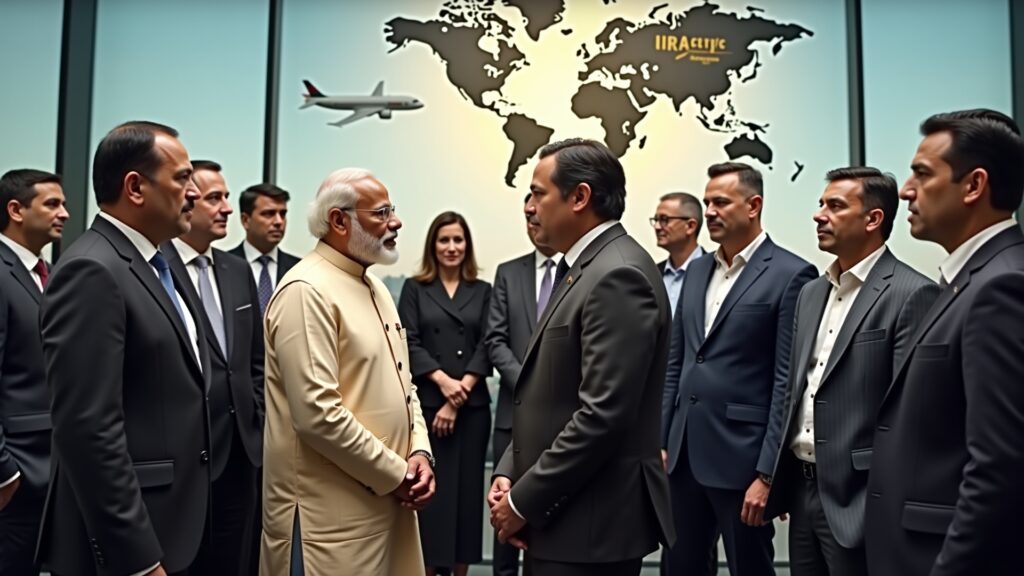
The Board of Control for Cricket in India (BCCI) recently announced multiple maiden Twenty20 International (T20I) call-ups for the upcoming tour to Zimbabwe. While this development may primarily catch your eye as a sports update, it carries profound implications for your tourism business, aviation connectivity strategies, and hospitality investments in the India-Africa travel corridor. Understanding the intersection of sports and tourism economics here unlocks new avenues to harness emerging growth sectors anchored in destination development and international travel demand.
Why This Sports Development Matters to Your Tourism and Aviation Strategy
As a leader in tourism, hospitality, or aviation, you know that international sporting tours are catalytic events beyond mere on-field action. They mobilize fans, media attention, business travelers, and hospitality consumption, acting as growth engines for destination visibility and travel infrastructure utilization. India’s maiden T20I player call-ups for Zimbabwe signal not just fresh sports talent entering the limelight but also the rise of Zimbabwe as an emerging hotspot for Indian outbound sports tourism. For you, this translates into demand surges for premium hotels, chartered or scheduled connectivity, and experiential travel packages tailored to sports enthusiasts and business delegates alike.
What Is Happening: A Closer Look at the India-Zimbabwe Cricket Tour
The BCCI’s decision to entrust several newcomers to represent India in the Zimbabwe T20I series marks a strategic pivot in talent and market expansion. Zimbabwe, a destination gaining traction beyond traditional leisure tourism, stands poised to capitalize on increased sporting interactions. This tour will mobilize industry stakeholders—from hospitality providers in Zimbabwe’s key cities to airlines connecting Mumbai, Delhi, and other Indian metros with Harare and Bulawayo. The ripple effect extends into allied sectors such as ground transport, event management, and digital booking platforms specializing in international cricket fan travel.
Key Business and Market Impacts You Should Note
- Hospitality Upside: Sporting tours regularly boost hotel occupancy and average daily rates by attracting niche premium travel segments seeking experiential stays centered around international cricket events.
- Aviation Connectivity: The India-Zimbabwe travel corridor benefits from potential route expansions and frequency increases, justified by rising business and sports tourism demand.
- Destination Branding: This cricket engagement aligns with Zimbabwe’s efforts to enhance its tourism profile, offering you partnership and investment prospects in destination readiness and sustainability.
- Travel Technology Integration: Booking platforms and travel companies can innovate by developing targeted cricket-tourism packages, increasing conversions from avid fans planning multi-stop itineraries.
Strategic Insight: Harnessing Sports Tourism to Elevate Destination and Aviation Growth
From your vantage point, India’s maiden T20I call-ups for the Zimbabwe tour exemplify a broader strategy of leveraging sports diplomacy and connectivity to drive long-term tourism economics. This approach encourages cross-sector collaborations—between sports federations, tourism boards, airlines, and hospitality chains—to align demand supply dynamics in emerging markets. The move also highlights how nurturing new talent intersects with cultivating new travel demand segments, both necessitating innovative strategies in premiumisation, digital marketing, and service excellence.
“In tourism, demand matters — but destination readiness is what converts interest into durable growth.”
“The real edge is not only in attracting visitors, but in building experiences, infrastructure, and trust that keep them coming back.”
Practical Takeaways: What You Should Act On Now
- Identify emerging destination opportunities linked to sports events and evaluate their integration into your growth portfolios.
- Engage with aviation partners to explore enhanced connectivity options that support bilateral travel demand spikes.
- Partner with travel-tech providers to build cricket-focused travel packages that appeal to premium and niche customer segments.
- Collaborate with destination management firms and sports bodies to align infrastructure investments with anticipated hospitality demand surges.
- Monitor policy shifts encouraging India-Africa tourism and aviation cooperation, positioning your business to capitalize on incentive programs or regulatory ease.
Risks and Challenges: A Balanced View
While the cricket tour opens promising corridors, you must approach with caution regarding seasonal demand fluctuations and infrastructure readiness in Zimbabwe’s tourism ecosystem. Ensuring quality standards in hospitality services and last-mile connectivity remains critical to converting the sports event momentum into sustainable tourism growth. Moreover, geopolitical considerations and aviation policy alignments require continuous monitoring to mitigate operational risks.
What You Should Watch Next
Keep a close eye on the outcomes of this maiden T20I tour—from fan turnout and media coverage to partnership activations and air traffic trends. Early indicators will shape investment decisions and strategic adjustments in aviation route planning and hospitality capacity management. Additionally, observe how travel technology adoption evolves in facilitating seamless bookings and personalized experiences for sports tourists.
Conclusion: Unlocking Strategic Opportunities from India’s Maiden T20I Call-ups for Zimbabwe Tour
Your tourism and aviation business stands at a juncture where international sporting engagements like India’s maiden T20I call-ups for the Zimbabwe cricket tour represent more than just athletic milestones. They symbolize an evolving paradigm in destination connectivity, premium hospitality demand, and regional tourism economics. By recognizing and proactively integrating these trends, you can position your business to harness sustainable growth, foster strategic partnerships, and lead within the burgeoning India-Africa travel corridor.
“When connectivity, hospitality quality, and destination strategy align, tourism growth becomes far more sustainable.”