As a leader in the tourism industry, you understand the critical role that infrastructure plays in shaping a destination’s appeal and long-term growth. Maharashtra’s bold move to develop a modern jetty at Mumbai’s iconic Gateway of India is not just an infrastructural upgrade—it’s a strategic pivot designed to strengthen Mumbai’s international tourism positioning. This development directly impacts your business prospects, investment outlook, and strategic planning if you’re engaged in hospitality, travel technology, destination development, or tourism investments.
Why This Matters to You
Whether you manage luxury hotels, curate premium travel experiences, or oversee destination marketing strategies, the jetty plan at Gateway of India brings you a compelling signal: Mumbai is amplifying its gateway status to the global traveler via maritime connectivity. This is your opportunity to rethink how your business captures the evolving traveler profile drawn to diversified modes of access, including cruise tourism and maritime excursions. Enhancing port facilities in a landmark location significantly broadens the scope for increased arrivals, longer stays, and higher-value experiences.
What Is Happening?
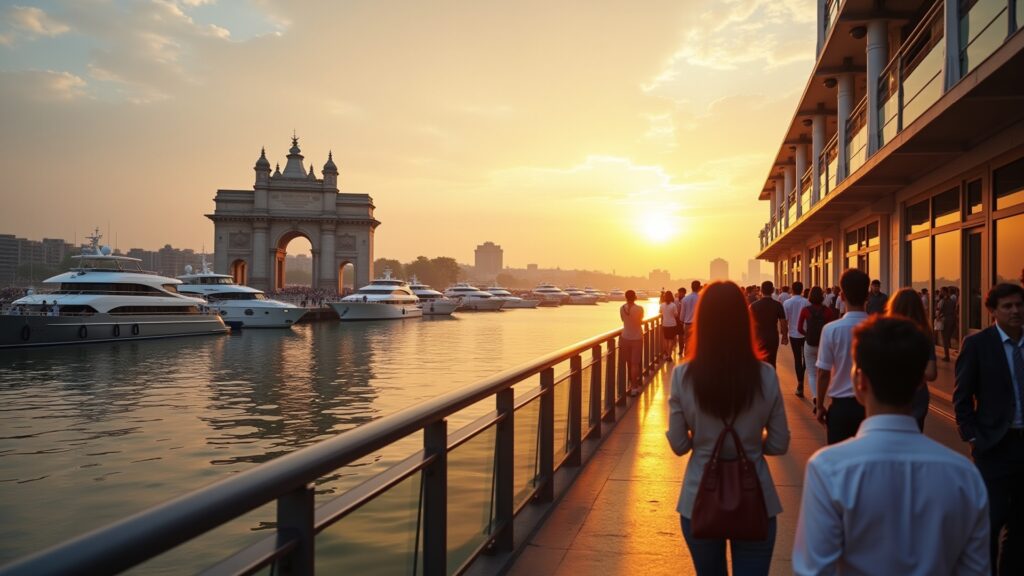
The Maharashtra government has initiated plans for a state-of-the-art jetty adjacent to the Gateway of India. This infrastructure upgrade will accommodate advanced cruise and ferry operations, enhancing the visitor experience at one of India’s most celebrated cultural landmarks. The jetty will serve as a crucial node for international tourists arriving by sea, integrating maritime travel more seamlessly into Mumbai’s tourism ecosystem.
Key benefits include:
- Expanded maritime tourism access and new cruise itineraries
- Improved visitor handling capacity and streamlined maritime traffic
- Strengthened linkages between cruise, ferry, and air transport modes
- Enhanced economic spillovers across hospitality, F&B, and ancillary sectors
Business and Market Impact
This jetty plan fosters a multifaceted growth trajectory for Mumbai’s tourism and hospitality economy. By expanding the city’s gateway capabilities to maritime tourism, you can anticipate an uptick in premium international arrivals, which not only boosts hotel occupancy but also drives revenue per available room (RevPAR) through elevated guest expectations. Hospitality operators should leverage this by refining service standards and integrating tailored luxury experiences that resonate with discerning cruise travelers.
For destination strategists, this development expands the inbound travel funnel beyond traditional air access, tapping into cruise segments that bring unique visitor demographics with distinctive spending patterns. Integrating maritime and aviation connectivity optimizes Mumbai’s appeal as a multimodal hub, appealing to both leisure seekers and business travelers engaged in MICE and experiential travel.
“In tourism, demand matters — but destination readiness is what converts interest into durable growth.”
Strategic Insights and Sustainable Growth
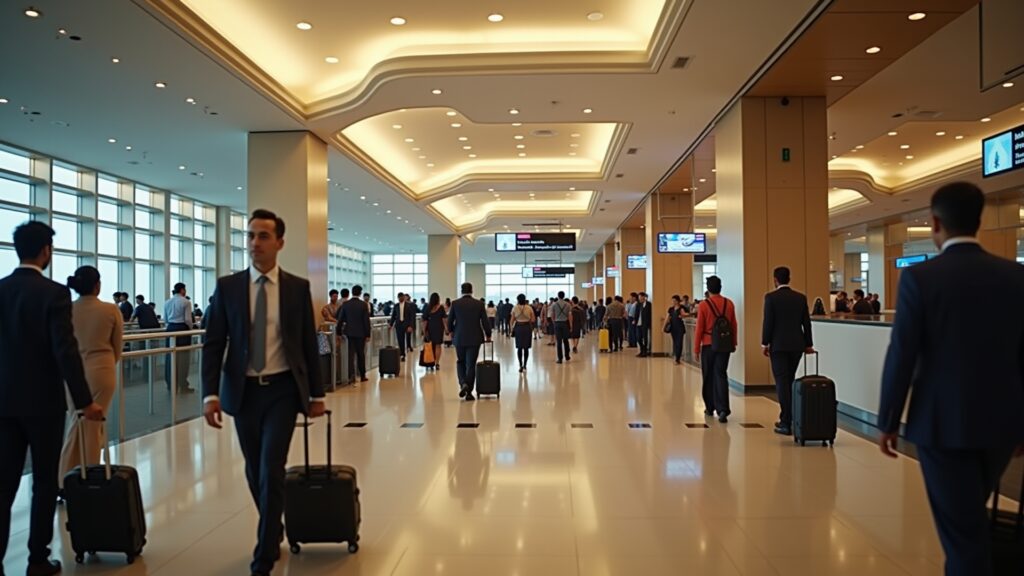
As you assess the broader implications, consider how this upgrade dovetails with Mumbai’s existing infrastructure upgrades like airport expansions and network improvements. The jetty creates a critical node that enhances last-mile connectivity, essential for seamless guest journeys and integrated travel products.
Furthermore, incorporating sustainable design and operational principles in the jetty’s construction is paramount. Given the Gateway of India’s heritage value, the project must balance increased visitor inflows with preservation and environmental stewardship, setting a benchmark in responsible tourism infrastructure.
Practical Takeaways for Tourism Leaders and Investors
- Monitor how the project integrates with broader multimodal connectivity plans, including airport and road transport.
- Align your hospitality services with the elevated expectations of international maritime tourists—focus on luxury, personalized experiences.
- Explore strategic partnerships with cruise operators and travel platforms to create bespoke maritime travel packages.
- Prioritize sustainability in your developments to align with the eco-sensitive ethos this jetty project will likely embody.
“The real edge is not only in attracting visitors, but in building experiences, infrastructure, and trust that keep them coming back.”
Risks and Challenges
While the jetty upgrade is promising, you should be mindful of potential challenges such as managing the environmental impact on the coastal ecosystem and addressing operational efficiency during peak tourist seasons. Policy alignment and sustained investment will be crucial to ensure that infrastructure keeps pace with growing demand without compromising heritage or sustainability goals.
What You Should Watch Next
Stay tuned for detailed project timelines, public-private partnership opportunities, and integration plans with Mumbai’s broader tourism ecosystem. Also, monitor how travel technology platforms incorporate these maritime options into their offerings—your ability to adapt digitally to new booking behaviors will determine competitive advantage.
Conclusion
The Maharashtra government’s plan for a modern jetty at the Gateway of India is a transformative milestone with far-reaching implications for international tourism. By enhancing maritime access and elevating infrastructural quality, this project not only enriches visitor experience but also fortifies Mumbai’s standing as a premier international destination. For you, as a tourism business or investor, this signals a future abundant with growth potential, sustainability considerations, and premiumisation opportunities that warrant strategic focus.
“When connectivity, hospitality quality, and destination strategy align, tourism growth becomes far more sustainable.”
Embrace this moment to anticipate, adapt, and innovate—your role in shaping India’s tourism future just gained a vital new platform at the Gateway of India.