The modernization of Mumbai’s Gateway of India jetty is not just an infrastructural upgrade—it’s a strategic milestone that directly impacts your tourism business, hospitality operations, and investment outlook in one of India’s most iconic destinations. As tourism surges and visitor experiences diversify, your ability to leverage enhanced connectivity and infrastructure at such key nodes decisively shapes your competitive positioning and economic outcomes.
Why This Matters to You
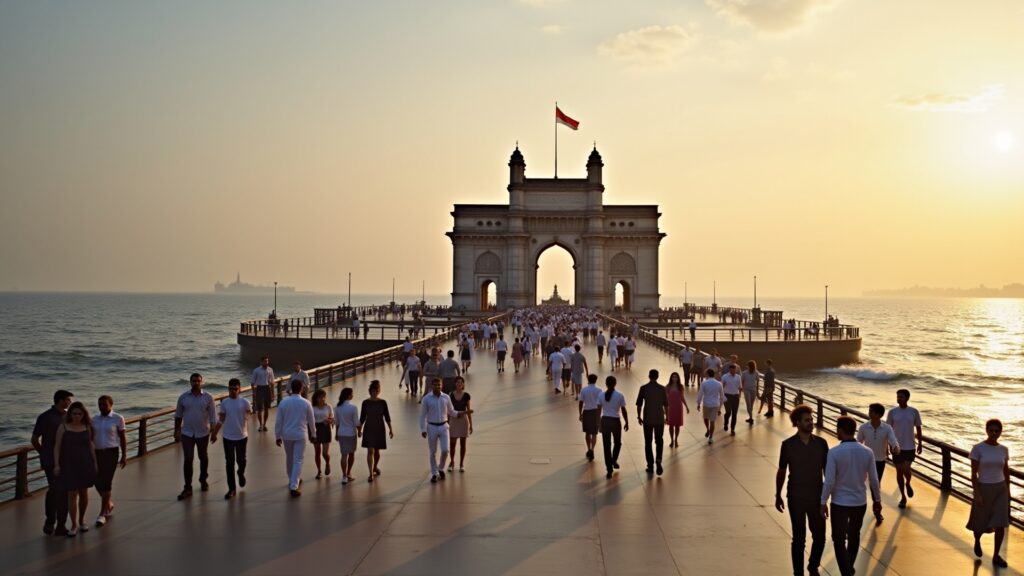
If you are a tourism entrepreneur, hotelier, policy maker, or investor, you know that destination infrastructure underpins sustainable growth. The Gateway of India jetty serves as a crucial maritime gateway connecting the city to attractions like the Elephanta Caves while serving an ever-growing global and domestic traveler base. By modernizing this jetty, Mumbai is investing in a scalable, future-ready tourism ecosystem that can boost visitor satisfaction, operational efficiency, and ultimately commercial returns across multiple sectors including hospitality, travel technology, and tourism services.
What Is Happening: The Jetty Modernization
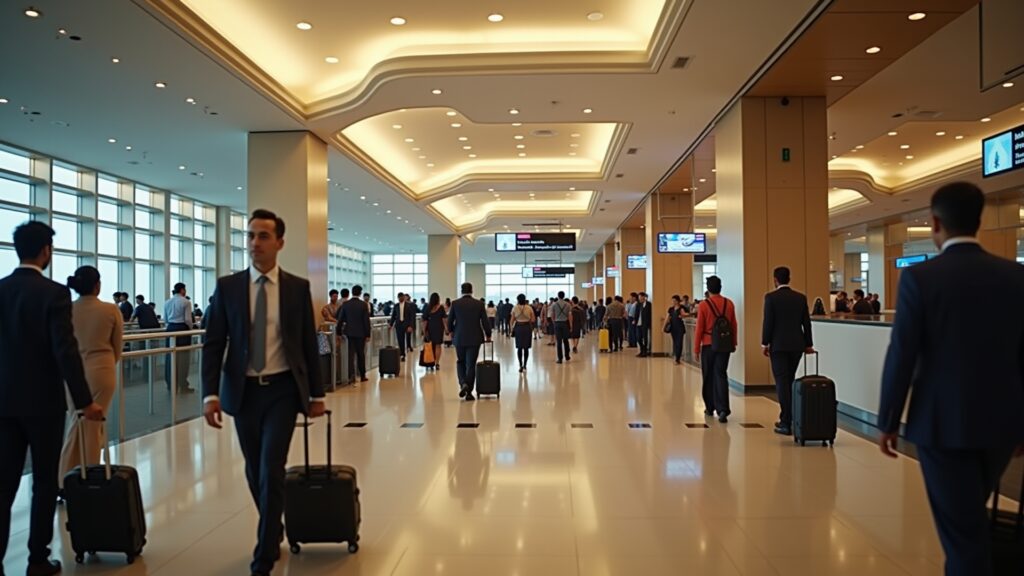
The existing jetty facilities at the Gateway of India have become inadequate amidst rising visitor footfall and increasing maritime activity. The planned modernization introduces advanced infrastructure to streamline passenger embarkation and disembarkation, reduce congestion, and enhance safety standards. This upgrade will facilitate seamless maritime connectivity, improving access to heritage sites and supporting the inflow of experience-driven travelers.
Strategic Business and Tourism Implications
For your destination strategy, this jetty transformation marks a step towards strengthening Mumbai’s role as a multifunctional hub—not just historically but operationally. Improved maritime connectivity promotes greater tourist dispersion, helping manage city congestion while opening new avenues for niche tourism segments like luxury cruises and heritage tours.
From a hospitality perspective, expect changes in guest behavior with higher visitor retention and potential for longer stays. This can positively affect key performance indicators like occupancy rates, average daily rates (ADR), and revenue per available room (RevPAR), especially within premium and experiential segments.
Policymakers and destination developers will see this as a model for integrating infrastructure upgrades within broader tourism ecosystem development, complimenting ongoing efforts to balance urban growth with heritage conservation and community welfare.
Deeper Strategic Insight: Aligning Infrastructure with Market Evolution
“In tourism, demand matters — but destination readiness is what converts interest into durable growth.” Mumbai’s gateway jetty is more than a physical structure—it symbolizes readiness to meet evolving traveler expectations for connectivity and convenience. This readiness positions the city to capitalize on rising experiential tourism trends, which demand infrastructural fluidity and quality.
You should note that infrastructure excellence does not operate in isolation. It must be complemented by integrated services, digital booking efficiency, and sustainable operational practices to truly elevate Mumbai’s global tourism stature.
Practical Takeaways for Tourism Leaders and Investors
- Monitor Visit Patterns: Track maritime passenger growth and punctuality as indicators of destination accessibility improvements.
- Invest in Experience-led Services: Explore partnerships around luxury cruises, guided heritage tours, and waterfront hospitality to leverage new demand spikes.
- Focus on Premiumisation: Align your offerings to cater to affluent, experience-seeking tourists who value seamless multimodal connectivity.
- Incorporate Sustainability: Ensure development aligns with environmental conservation and community impact mitigation to support long-term destination viability.
- Advocate for Policy Synergy: Collaborate with government agencies to maximize infrastructure’s role in holistic urban and tourism ecosystem strategies.
Expert Perspectives
“The real edge is not only in attracting visitors, but in building experiences, infrastructure, and trust that keep them coming back.”
“When connectivity, hospitality quality, and destination strategy align, tourism growth becomes far more sustainable.”
Risks and Challenges to Consider
While the upgrade signals progress, balance is vital. Infrastructure expansion must not overwhelm local ecosystems or dilute cultural value. Increased visitor volumes can strain carrying capacity unless matched by robust management strategies.
There is also the risk of uneven distribution of benefits, whereby economic gains may concentrate in a few segments if ancillary services and community engagement do not keep pace.
What You Should Watch Next
Keep an eye on the implementation timeline and quality of the jetty modernization, as delays or cost overruns could impact broader destination plans. Additionally, monitor complementary developments such as digital booking platforms for maritime travel, new service offerings emerging around the waterfront, and policy adjustments promoting sustainable tourism growth.
Market your lodge, tour, or hospitality service positioning to capitalize on boosted connectivity as the project matures.
Conclusion
The Mumbai Gateway of India jetty modernization is a decisive move signaling India’s tourism industry embracing infrastructure as a catalyst for long-term competitiveness. For your tourism enterprise, hotel, investment portfolio, or policy framework, it underscores the critical intersection of connectivity, visitor experience, and sustainable destination development.
Optimizing your strategy around these infrastructure advancements will help you navigate the evolving market dynamics and capitalize on Mumbai’s growing stature as a premium, well-connected tourism hub.