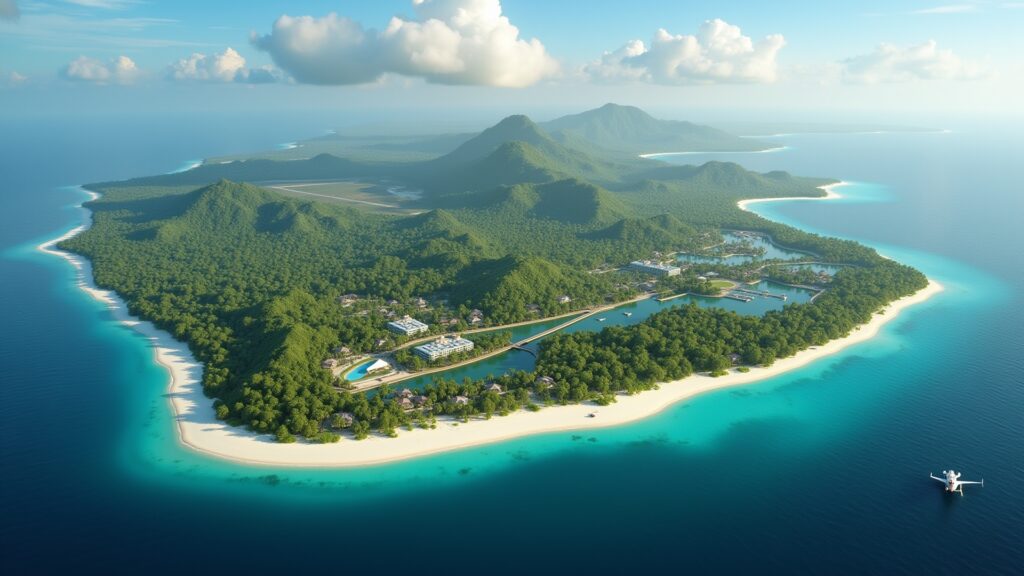
Your role in the evolving landscape of Indian tourism places you at a strategic crossroads as the draft master plan for the greenfield city on Great Nicobar Island takes shape. This initiative is not just another development project; it represents a paradigm shift in how India can leverage its unique geography to redefine destination economics, infrastructure, and premium tourism experiences. Whether you lead a hospitality brand, an investment fund, or a tourism board, understanding the implications of this master plan is crucial to positioning your business or strategy for long-term success.
Why This Matters to You
The Great Nicobar tourism infrastructure master plan speaks directly to your interests as a tourism industry stakeholder because it promises to unlock new frontiers for growth beyond India’s traditional tourism hubs. For businesses, it means fresh avenues for luxury and experiential travel development. For investors, it signals an emerging high-potential destination poised for premiumization. For policymakers and planners, it offers a blueprint for sustainable and integrated destination development that could elevate India’s global tourism standing.
What Is Happening on Great Nicobar Island?
The draft master plan envisions a greenfield city that integrates tourism with robust infrastructure enhancements, strategically located at India’s southernmost tip. With geopolitical significance and a pristine, ecologically sensitive environment, Great Nicobar is set to become a new catalyst for connectivity expansion—especially aviation and maritime links—that will facilitate the entry of high-value visitors and business investments.
This initiative goes beyond conventional destination building by emphasizing responsible tourism infrastructure, sustainability frameworks, and community involvement. It aims to develop segments such as eco-tourism, wellness, spiritual tourism, and MICE (meetings, incentives, conferences, exhibitions) travel, capitalizing on the island’s natural and cultural assets.
Key Business and Market Impacts
- Enhanced Connectivity: Expect upgraded aviation and marine infrastructure to improve access, encouraging both domestic and international premium travelers.
- Investment Magnet: The multi-sectoral approach invites cross-industry investments, from luxury hospitality and eco-resorts to wellness centers and cultural tourism ventures.
- Premium Travel Segmentation: The plan’s alignment with niche segments like wellness and spiritual tourism amplifies opportunities for differentiated luxury offerings that command higher average daily rates (ADR) and increased profitability.
- Destination Diversification: Expanding India’s tourism geography mitigates risks associated with over-reliance on saturated destinations while driving regional economic balance.
Strategic Insights Into the Master Plan
The true value of the Great Nicobar initiative lies in its integrated and sustainable design. You need to consider it not merely as a tourism site but as an economic ecosystem with connectivity acting as the backbone. The proposed infrastructure improvements will enable seamless movement while minimizing environmental disruption—a balance that is increasingly demanded by discerning travelers and investors alike.
“When connectivity, hospitality quality, and destination strategy align, tourism growth becomes far more sustainable.”
For hospitality operators and developers, this means a compelling case to innovate around luxury combined with authenticity, catering to travelers seeking exclusivity fused with meaningful experiences. For investors, it suggests a low-risk, high-reward environment because the master plan is closely tied to government policy and infrastructural upgrades that reduce market-entry barriers.
Practical Takeaways for Tourism Leaders and Investors
- Understand the Connectivity Impact: Monitor aviation and port development announcements to align your supply chain and market entry timing.
- Embrace Sustainability: Invest in eco-friendly and community-inclusive projects to ensure compliance and market appeal.
- Push for Experience Differentiation: Design offerings that leverage the island’s unique cultural and natural environment to captivate high-value guests.
- Engage Local Stakeholders: Build partnerships with local communities and governance entities to ensure harmonious development and sustained goodwill.
- Focus on Multi-Sectoral Collaboration: Explore synergy opportunities between hospitality, wellness, cultural tourism, and infrastructure providers.
Expert Perspective
“In tourism, demand matters — but destination readiness is what converts interest into durable growth.”
“The real edge is not only in attracting visitors, but in building experiences, infrastructure, and trust that keep them coming back.”
Risks and Challenges to Navigate
While the master plan sets a promising framework, you must stay vigilant about potential ecological impacts inherent to island development. Striking the right balance between infrastructure scale and environmental conservation is essential. Overambitious projects without adequate sustainability measures can undermine long-term profitability and brand reputation.
Additionally, the logistical complexity of building in a remote area demands careful supply chain and operational planning. Budget overruns, regulatory hurdles, and delays can affect return timelines. Proactive risk management and adaptive strategy will be key to turning this greenfield city into a resilient success.
What You Should Watch Next
- Government approval timelines and any policy updates related to the master plan.
- Announcements of key infrastructure projects, particularly in aviation and ports.
- Investor partnerships or joint ventures tying hospitality with sustainability and wellness.
- Community engagement outcomes and environmental impact assessments.
- Market response and early traveler interest signals, especially from premium and MICE segments.
Conclusion: A Roadmap for Future-Ready Tourism and Infrastructure
The Great Nicobar tourism infrastructure master plan offers you a forward-looking blueprint that blends connectivity, sustainability, and premium travel development to unlock new possibilities in India’s tourism economy. By carefully aligning your strategies with the master plan’s vision, you can be part of a transformative journey that elevates not just a destination but an entire region’s economic and ecological future.
Remember: This is your opportunity to tap into a strategically located, integrated tourism hub designed for high-value, responsible growth in an increasingly competitive global landscape.