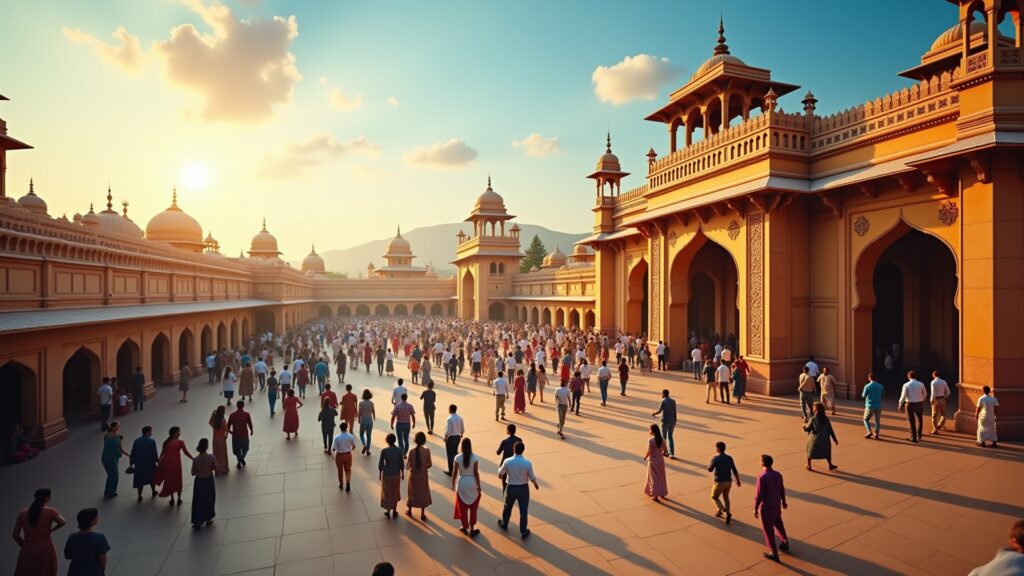
The heritage tourism sector in India is experiencing a profound surge, reshaping the travel economy in ways that directly impact your tourism business, destination strategy, and investment posture. This phenomenon is more than an increase in visitor numbers; it is a strategic pivot signaling emerging opportunities and challenges for hospitality operators, aviation planners, policymakers, and destination developers alike.
Why This Heritage Tourism Surge Matters to You
Understanding the dynamics behind India’s heritage tourism growth is crucial for positioning your business or destination at the forefront of a culturally rich and economically significant market segment. The uptick in monument visits reflects a consumer demand pivot towards immersive, authentic experiences that require innovative approaches in hotel product offerings, luxury services, and curated cultural engagements.
For you, whether steering a hospitality brand, managing tourism infrastructure, or evaluating new investments, this trend influences key operational factors — from occupancy and average daily rates (ADR) to guest experience design and location connectivity. Evidence of growing interest in Tier-2 and Tier-3 heritage destinations also urges a reevaluation of market reach strategies and transport network integration, which can unlock untapped revenue streams and lengthen visitor stays.
What Is Happening in India’s Heritage Tourism Landscape
The surge in heritage tourism is characterized by escalating footfalls at iconic monuments and culturally significant sites. This signals a clear shift in traveler preferences towards heritage and cultural immersion, driven by rising disposable incomes and a global trend of experiential travel. Beyond metropolitan hubs, traditionally overlooked sites are gaining traction, presenting fresh growth avenues.
This evolving landscape is catalyzing demand for enhanced tourism infrastructure—quality accommodations, efficient transit options, and streamlined visitor services that meet high expectations of contemporary travelers. Digital adoption in ticketing and visitor management is also accelerating, contributing to a smoother travel journey and better data insights for stakeholders.
Key Implications for Business, Market, and Policy
You must recognize that the heritage tourism upswing presents multi-dimensional opportunities and responsibilities:
- Hospitality and Premiumisation: Leveraging this trend means innovating luxury offerings and experiential packages that resonate with culturally curious and discerning travelers.
- Aviation and Connectivity: Upgrading air and ground transport links is essential to unlock heritage sites beyond major cities, enabling deeper market penetration and visitor dispersal.
- Destination Development and Infrastructure: Sustainable investments in site preservation alongside modern amenities will safeguard authenticity while enhancing satisfaction.
- Policy Frameworks: Establishing regulatory standards that promote responsible tourism while protecting cultural assets will serve long-term sector health.
- Technology Integration: Deploying travel-tech solutions for seamless trip planning, ticketing, and visitor flow management will increase operational efficiency and business intelligence.
Strategic Analysis: Harnessing Heritage Tourism for Sustainable Competitive Advantage
Heritage tourism growth in India is not merely quantitative but qualitatively transformative. Your strategic response should balance growth ambitions with sustainability imperatives. Expanding infrastructure must be paired with conservation goals and local community engagement to maintain cultural integrity and destination desirability.
Emerging technologies and data analytics become pivotal tools for understanding visitor preferences and optimizing resource allocation. Equally, a multi-stakeholder approach involving government entities, private enterprises, and local communities is necessary to ensure cohesive development that translates footfall into durable economic gains.
Consider that “in tourism, demand matters — but destination readiness is what converts interest into durable growth.” This highlights the necessity of readiness in infrastructure, services, and policy to fully capitalize on the heritage tourism trend.
Practical Takeaways for Tourism Leaders and Investors
- Focus on expanding premium and experiential hospitality offerings tailored for culturally engaged travelers.
- Advocate for and invest in improved connectivity, especially air and last-mile infrastructure to emerging heritage sites.
- Leverage technology platforms for integrated visitor management and business insights.
- Engage with policymakers to ensure sustainable regulatory frameworks that protect cultural heritage.
- Prioritize collaboration across tourism boards, local governments, and private sector to align growth with community benefits and destination authenticity.
- Monitor shifts in traveler preferences and emerging heritage destinations to adapt your strategy proactively.
Insights and Thought Leadership
“The real edge is not only in attracting visitors, but in building experiences, infrastructure, and trust that keep them coming back.”
“When connectivity, hospitality quality, and destination strategy align, tourism growth becomes far more sustainable.”
Risks and Challenges to Navigate
Despite the optimism, you must be vigilant about over-tourism risks which can degrade fragile heritage sites if unmanaged. Balancing visitor access with preservation and community interests is paramount. Additionally, infrastructural bottlenecks and fragmented governance models can hinder the full realization of growth potential.
You should also consider that tourism demand trends can fluctuate with global economic and geopolitical changes, necessitating agile and resilient business models.
What to Watch Moving Forward
Keep a close eye on initiatives boosting regional connectivity, policy reforms around cultural site management, and advancements in travel technology that simplify visitor experience. Emerging market segments such as luxury spiritual tourism and wellness linked to heritage destinations represent additional layers of opportunity.
Tracking investments and partnerships within heritage tourism ecosystems will also provide early signals of evolving business models and scale opportunities.
Conclusion: Your Strategic Path in India’s Heritage Tourism Growth
The current boom in India’s heritage tourism is a crucial inflection point that demands your informed, strategic engagement. By aligning your hospitality offerings, infrastructure investments, and destination development plans with this sustained growth trajectory, you position your enterprise and the broader ecosystem for profitable, responsible, and sustainable success.
India’s heritage tourism growth is reshaping the competitive landscape—and your proactive approach is central to capturing long-term value in the global cultural tourism sector.