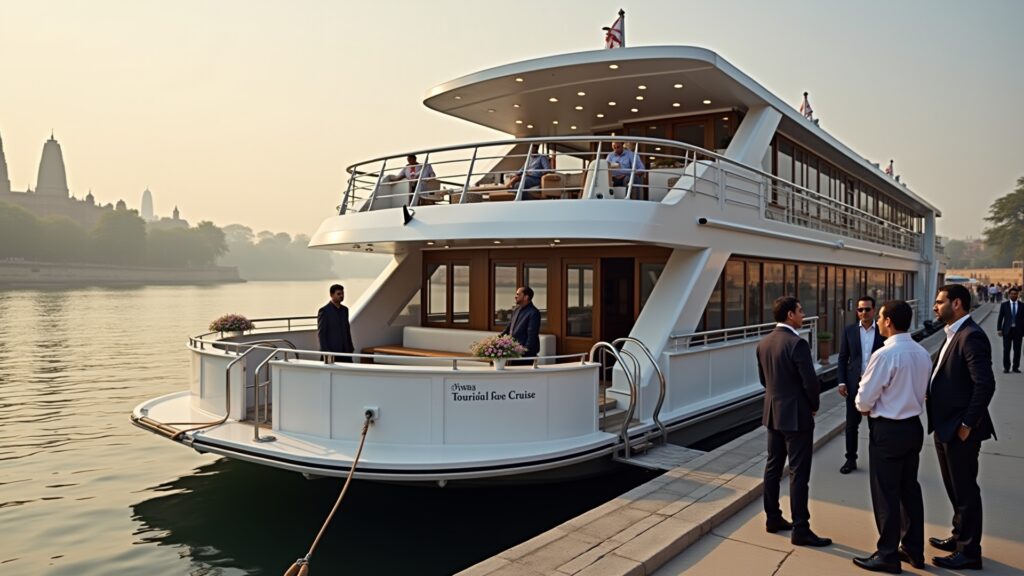
The recent directive by the Tourism Minister to probe the Jabalpur cruise boat accident is a pivotal moment that demands your focused attention as a stakeholder in India’s tourism ecosystem. Whether you operate in hospitality, destination management, aviation, investment, or policy formulation, this incident is a clear signal that safety and infrastructure are no longer just operational considerations — they are strategic imperatives shaping long-term competitiveness and visitor confidence.
Why This Matters to You
This investigation transcends regulatory scrutiny; it directly impacts your tourism business’s sustainability, brand reputation, and economic viability. As experiential tourism like river cruises expands into emerging Tier-2 and Tier-3 city markets, the resilience of your infrastructure and the rigor of safety protocols will determine your ability to attract and retain discerning travelers. In a sector where trust underpins every booking and every partnership, ensuring that your destination meets the highest safety standards can be your strongest differentiator.
Understanding What Is Happening
The Jabalpur cruise boat incident has manifested operational and safety vulnerabilities in India’s riverine tourism segment, spurring the Tourism Ministry to act decisively. This probe aims to dissect regulatory oversights, infrastructural inadequacies, and emergency response failures. In doing so, it casts light on a broader concern: the challenge of balancing rapid tourism product growth with uncompromising safety measures.
Key Implications for Tourism Business and Infrastructure
For destination developers and tourism boards, the probe underscores the urgency to fast-track investments in sustainable and resilient infrastructure. This encompasses not just the physical assets—vessels, docking facilities, emergency equipment—but also human capital, including operator training and coordinated crisis management protocols. Without these, the economic vitality of the destinations, which depends heavily on tourist confidence and repeat visitation, is at risk.
Policymakers have a unique window to refine tourism regulations that align with international maritime and adventure safety standards. Technology integration—such as real-time vessel monitoring and digital safety certifications—can enable transparency and elevate operational discipline, enabling your destination to signal reliability to global and domestic travelers alike.
Strategic Insight: Leveraging Safety as a Competitive Advantage
Safety perception is no ancillary factor; it influences travel demand, hospitality occupancy, and premium yield potential. The ripple effect extends to aviation stakeholders promoting connectivity to emerging regions and to travel tech platforms adapting booking behavior based on risk assurance. As an investor or tourism entrepreneur, evaluating operational risk mitigation should become integral to your project feasibility assessments.
“In tourism, demand matters — but destination readiness is what converts interest into durable growth.”
Strengthening safety and infrastructure will not only protect your guests but also elevate your destination’s market positioning. This means the real edge is no longer solely in attracting visitors but in building robust experiences and trust that keep them coming back.
Practical Takeaways for Tourism Leaders and Investors
- Prioritize Infrastructure Upgrades: Ensure vessels, docks, and safety equipment meet or exceed evolving safety norms.
- Enhance Training and Emergency Protocols: Invest in operator accreditation and coordinated crisis response systems to reduce accident risks.
- Leverage Technology: Implement real-time monitoring and digital certification platforms to enforce compliance and build transparency.
- Advocate Regulatory Reform: Engage with policymakers to push for clear, enforceable rules aligned with global best practices.
- Factor Safety into Investment Decisions: Consider infrastructure resilience and operational risk mitigation fundamental to business viability in riverine and cruise tourism.
Expert Perspective
“When connectivity, hospitality quality, and destination strategy align, tourism growth becomes far more sustainable.”
This viewpoint highlights the interconnected nature of tourism segments: aviation connectivity, hospitality service excellence, and destination safety form a triad essential for thriving tourism economies.
Risks and Challenges to Navigate
Failing to act decisively on the findings of the Jabalpur probe risks eroding traveler trust and deterring investment. Infrastructure gaps can widen, regulatory misalignment may persist, and emergency preparedness may remain insufficient. Each of these factors can hinder the premiumisation of your tourism offerings and suppress long-term sector growth.
What You Should Watch Next
Monitor the Tourism Ministry’s probe outcomes and subsequent regulatory updates closely. Developments in technology adoption for safety compliance, investments announced for infrastructure resilience, and policy reforms aimed at enhancing maritime and riverine tourism safety standards will be vital indicators. Tracking these will help you anticipate market shifts and adapt your operations or investment strategies accordingly.
Conclusion: Building a Safety-First Future for Indian Tourism
The Jabalpur cruise boat probe tourism infrastructure inquiry is more than an accident investigation—it is a strategic inflection point for your business and the sector. By emphasizing safety, leveraging technology, and partnering across government and industry, you contribute to elevating India’s tourism destinations into models of resilience and trustworthiness. This focus will secure visitor confidence, stimulate premium travel demand, and create sustainable economic returns.