You are witnessing one of the most compelling intersections of sports and tourism-driven economic strategy, as the recent India-Pakistan cricket matches in Colombo ignite a significant ripple across Sri Lanka’s tourism ecosystem. This phenomenon is not just about fans flocking to stadiums; it’s a profound case study in leveraging high-profile event tourism to amplify destination growth, stimulate hospitality profits, and underpin infrastructure investments that resonate far beyond the game day.
Why This Development Matters to You
If your role touches any facet of tourism, hospitality, or destination planning, the India-Pakistan cricket tourism impact in Colombo is a strategic signal. You must recognize how event-driven demand can catalyze growth in occupancy rates, increase your average daily revenue metrics, and enhance your brand positioning in a fiercely competitive global travel market. For investors, it reveals where capital deployment in sports tourism infrastructure and related services can yield promising returns. For policymakers and aviation stakeholders, it underscores the critical need for seamless connectivity and efficient airport operations that convert event interest into enduring tourism uplift.
What Is Happening in Colombo?
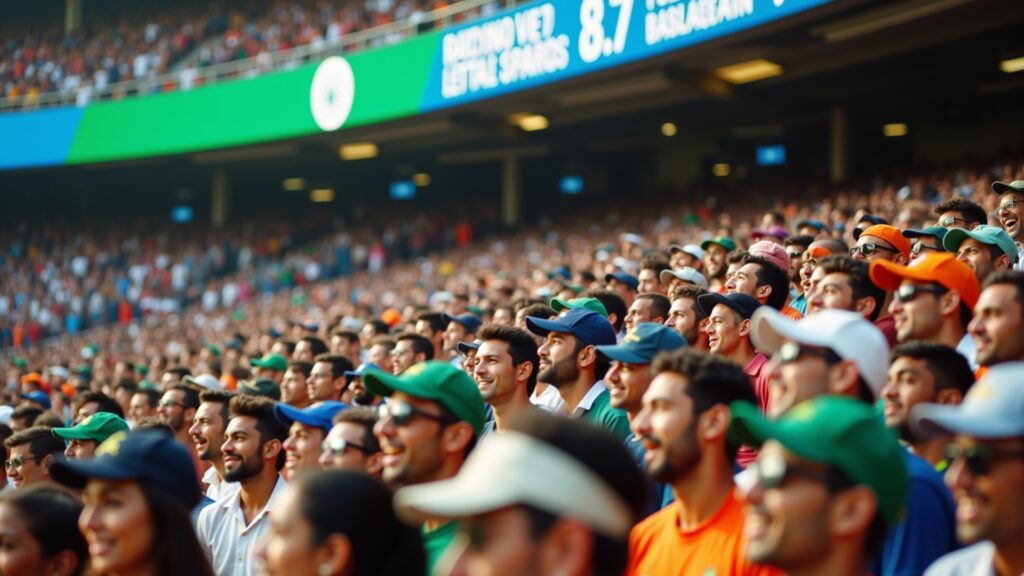
The surge of cricket supporters from India and Pakistan traveling to Colombo for marquee matches has generated a notable economic upswing. These groups encompass a wide demographic—from affluent premium travelers seeking luxury hospitality to business visitors capitalizing on the occasion—fueling demand across hotels, restaurants, and ancillary services. Colombo’s increased airlift capacity and simplified cross-border protocols have eased access, allowing the city to transform a sporting spectacle into a multifaceted tourism opportunity.
Key Business and Infrastructure Impacts
- Hospitality Sector: Hotels are experiencing a measurable boost in occupancy and revenue per available room (RevPAR), with premium pricing strategies successfully implemented during event peaks.
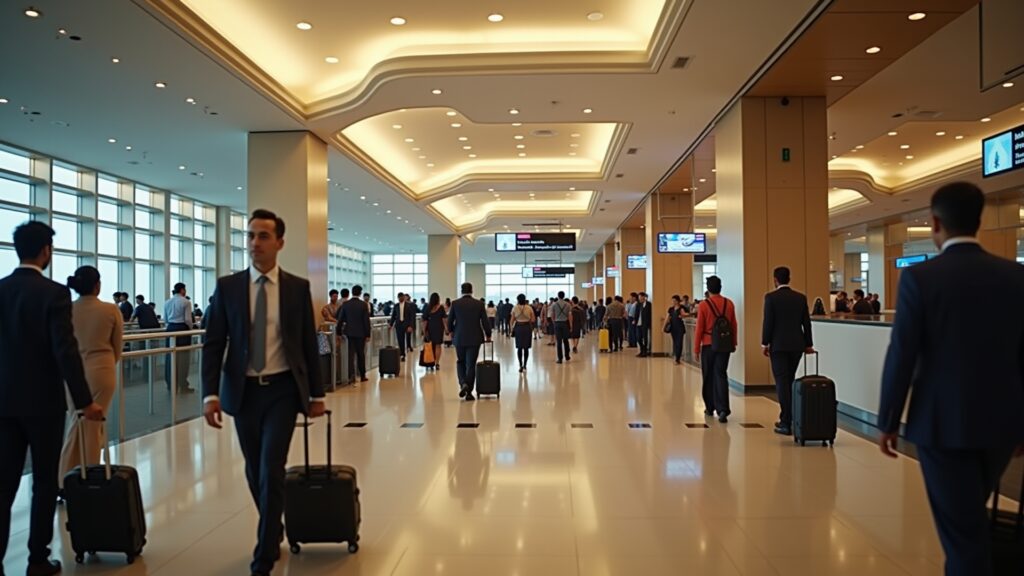
- Aviation and Connectivity: Enhanced flight schedules and streamlined immigration procedures demonstrate the connectivity investment’s payoff, encouraging repeat visits and new segments to explore Colombo.
- Destination Readiness: Urban transport, accommodation supply, and quality of hospitality services are tested and adapted to ensure visitor satisfaction aligns with increased tourist volumes.
Strategic Insights for Sustainable Growth
Colombo’s experience highlights the essential integration of event tourism with long-term destination planning. It is not enough to attract crowds temporarily—you must invest in infrastructure agility and diversified experiences that extend visitor stays and spending beyond game days. This includes leveraging Colombo’s cultural heritage, wellness offerings, and luxury travel assets to enhance overall destination competitiveness. You should think about strategic partnerships across the public and private sectors to embed sustainability and outreach, ensuring the benefits of such sporting events ripple through the wider economy responsibly.
“In tourism, demand matters — but destination readiness is what converts interest into durable growth.”
“The real edge is not only in attracting visitors, but in building experiences, infrastructure, and trust that keep them coming back.”
Practical Takeaways for Tourism Leaders and Investors
- Understand that event-driven tourism is a powerful lever—but only as part of an integrated destination strategy that embraces infrastructure development and experience diversification.
- Monitor aviation connectivity improvements and cross-border facilitation closely, as these directly impact international arrival volumes and visitor satisfaction.
- Invest in hospitality upgrades and digital booking technologies to capture premium travel segments during peak event periods.
- Collaborate with policymakers and urban planners to enhance transport logistics and accommodation capacity ahead of major events.
- Recognize the opportunity for sustainable tourism practices to differentiate your destination in global markets increasingly conscious of environmental and social footprints.
Expert Perspective
Viewing Colombo through a strategic lens, it becomes clear that:
- “When connectivity, hospitality quality, and destination strategy align, tourism growth becomes far more sustainable.”
- Event tourism serves as a visible and compelling platform to boost ancillary sectors such as travel tech, wellness, and luxury experiences, catalyzing broader economic development.
Challenges and Risks to Navigate
The spike in demand tied to the India-Pakistan cricket fixtures is not without challenges. You must consider the risks of overdependence on sporadic event tourism, which may result in seasonal volatility. Infrastructure strain, if not properly managed, can erode visitor experience and reputation. Additionally, the political sensitivities surrounding cross-border sporting events necessitate careful stakeholder management to avoid adverse impacts on tourism flows.
What to Watch Next
Keep a close eye on how Colombo and similar destinations evolve their event tourism frameworks—particularly in expanding integrated marketing that blends sports with cultural, wellness, and luxury travel offerings. Observe advances in aviation policy that ease multi-destination travel and track new investment flows into sustainable tourism infrastructure. These movements will indicate the maturing sophistication of event-driven tourism as a core component of destination economic strategies.
Conclusion: Leveraging the India-Pakistan Cricket Tourism Impact in Colombo for Long-Term Success
For your tourism business, destination strategy, or investment portfolio, the India-Pakistan cricket clash in Colombo is a blueprint for capitalizing on event tourism beyond immediate gains. It teaches you the value of connectivity, infrastructure readiness, and diversified experience offerings in crafting a resilient, profitable, and competitive tourism economy. By integrating these lessons into your strategy, you position yourself to capture expanding international travel demand and secure sustainable growth in an increasingly dynamic global tourism market.