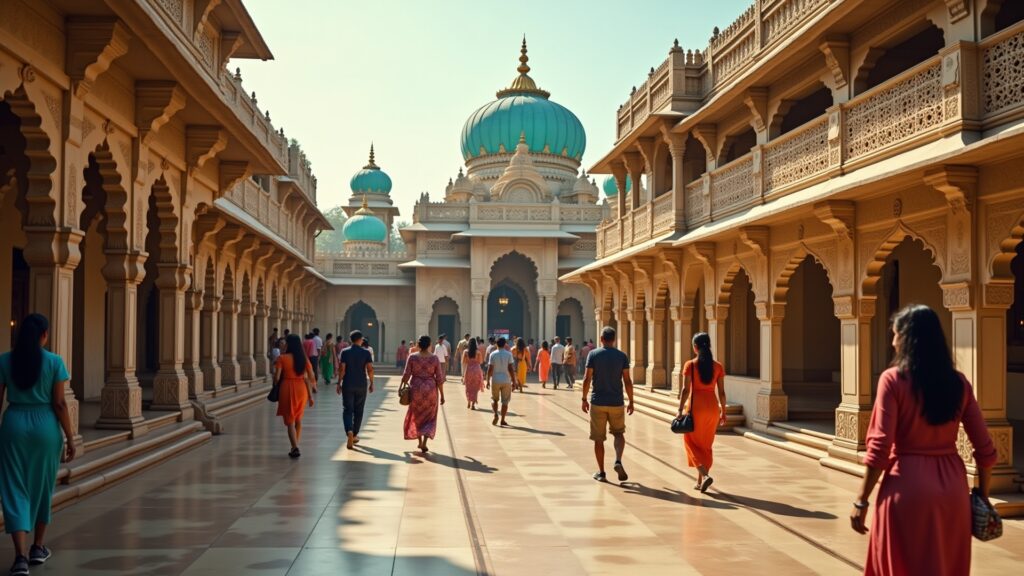
As a key stakeholder in India’s tourism sector, you face a critical juncture where integrating cultural identity with modern growth strategies will define the future of your business, destination, or investment portfolio. The Union Minister for Culture and Tourism’s recent assertion that “modernity without identity is rootless” serves as a clarion call. It reminds you that sustainable, premium tourism growth demands more than infrastructure and connectivity—it requires deep roots in the cultural fabric that shape authentic experiences and enduring competitive advantage.
Why This Matters to You
Your tourism enterprise—whether it’s developing a destination, managing a hotel, launching travel-tech innovations, or crafting policy—relies on differentiation and resilience in a fiercely competitive market. Without leveraging cultural identity as a core asset, the rapid modernization of India’s destinations risks erasing the very uniqueness that attracts discerning travelers and high-value segments. Understanding and incorporating cultural authenticity is now non-negotiable to optimize your business profitability, stimulate local economies, and enhance destination appeal globally.
The Current Landscape: Modern Growth Meets Cultural Heritage
India’s tourism ecosystem is undergoing significant transformation. Enhanced aviation connectivity, a surge in luxury and wellness offerings, and the adoption of cutting-edge travel technologies are driving growth and premiumisation across regions. However, there’s a strategic tension: while these advancements improve access and service quality, they can inadvertently promote homogenization, diluting indigenous culture and diminishing the emotional engagement travelers seek.
For you, as a decision-maker, this means that tourism development projects must be designed with cultural identity as a foundational element — not an afterthought. Policies, infrastructure investments, and marketing strategies aligned with local heritage amplify destination loyalty and economic sustainability.
The Strategic Role of Cultural Identity in Destination Branding and Economic Impact
Embedding cultural identity transcends heritage preservation—it is a competitive strategy. When you integrate indigenous traditions, stories, and artistic expressions into hospitality experiences, you heighten the perceived value and exclusivity of your offerings. This approach is especially potent in growing sectors like spiritual and wellness tourism, where authenticity and local narratives can command premium pricing.
Moreover, cultural authenticity incentivizes greater community engagement, empowering local stakeholders and creating shared economic benefits. These elements are integral to responsible tourism frameworks that drive sustainable social impact and long-term destination resilience, safeguarding against overdevelopment and environmental degradation.
Implications for Policy, Investment, and Leadership
Policymakers and investors have an essential role in fostering tourism models that marry modernization with cultural conservation. Digital promotion platforms that highlight authentic cultural experiences, stringent regulations protecting cultural sites, and community partnerships to co-create tourism offerings are key strategic levers.
From a leadership perspective in hospitality, travel technology, and destination management, you must champion cultural identity as a core asset. This mindset shift opens avenues for innovative product development, sharpens marketing precision, and strengthens multi-stakeholder ecosystems, all crucial to enhancing India’s global competitiveness.
“In tourism, demand matters — but destination readiness is what converts interest into durable growth.”
“The real edge is not only in attracting visitors, but in building experiences, infrastructure, and trust that keep them coming back.”
Practical Takeaways for Tourism Leaders and Investors
- Recognize cultural identity as a strategic pillar for differentiation and premiumisation in your tourism portfolio.
- Invest in tourism infrastructure that preserves and elevates local cultural assets rather than replacing them.
- Partner with local communities to co-create authentic experiences that boost social impact and economic inclusion.
- Advocate for policies that balance connectivity and modernization with cultural and environmental conservation.
- Leverage digital tools to promote cultural narratives that resonate with discerning domestic and international premium travelers.
- Develop clear metrics for assessing cultural impact alongside traditional tourism KPIs such as occupancy, ADR, and visitor spend.
Risks and Challenges to Monitor
While modern infrastructure and luxury developments promise growth, unchecked expansion risks cultural commodification and loss of destination uniqueness. You need to be vigilant against tourism models that prioritize volume over value, which can erode community trust and sustainability. Furthermore, the absence of robust regulatory frameworks can lead to irreversible damage to cultural assets. Balancing modern demands with cultural preservation requires nuanced leadership and multi-sector coordination.
What You Should Watch Next
Keep an eye on how emerging policies integrate culture into tourism governance and how investments shift towards sustainable, culturally integrated infrastructure projects. Monitor innovations in travel technology that enable personalized cultural storytelling and authenticity verification. Track community-driven tourism initiatives that showcase model frameworks balancing growth with preservation. These indicators will highlight market leaders shaping India’s sustainable tourism future.
Conclusion: Rooted Growth for India’s Tourism Future
For you, aligning modern development with cultural identity is not merely strategic — it is essential for sustainable tourism growth in India. This integration strengthens destination branding, drives premium demand, supports community inclusion, and secures a resilient economic future. By embracing this vision, you position your tourism business, destination, or investment to thrive amid India’s dynamic travel landscape.
Ultimately, “cultural identity in Indian tourism” is more than a buzzword — it is a foundational element of long-term competitiveness and responsible growth. Your leadership in harnessing cultural authenticity today will determine how India’s tourism economy flourishes tomorrow.
“When connectivity, hospitality quality, and destination strategy align, tourism growth becomes far more sustainable.”