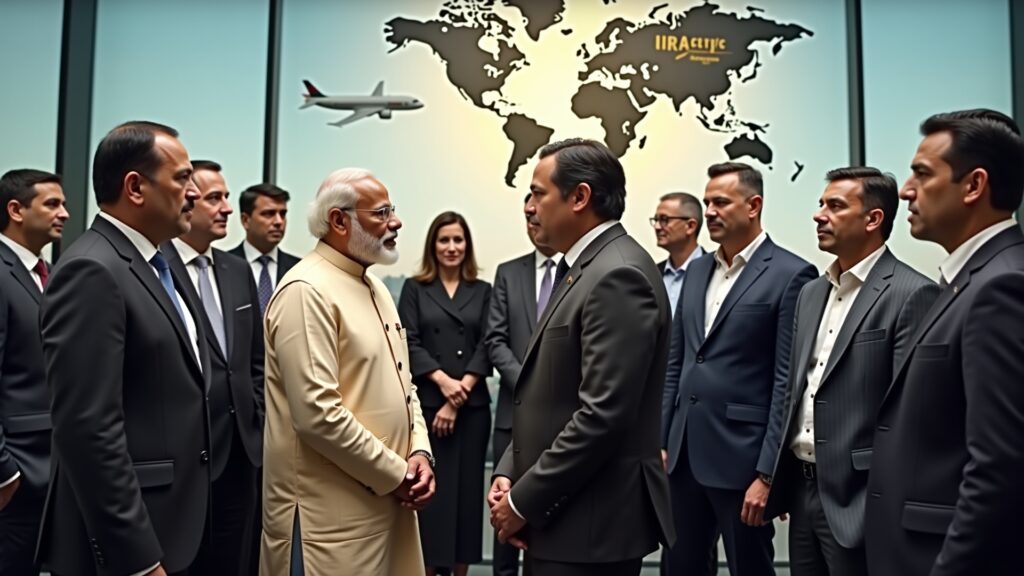
The announcement of the India-Sri Lanka Test cricket series commencing on August 15 by Sri Lanka Cricket (SLC) is more than a sporting milestone—it is a clear signal of untapped potential for you as a tourism business leader, hotelier, investor, or destination strategist. This high-profile event illuminates the strategic intersections between sports, tourism economics, aviation connectivity, and premium hospitality, offering you a valuable blueprint to capitalize on sports-driven tourism development in South Asia.
Why This Matters to You: Beyond the Boundary Line
If you operate in tourism, hospitality, aviation, or destination development, understanding how marquee sports events like this Test series can influence travel behaviors and investment flows is critical. Cricket commands deep emotional and cultural loyalty in India and Sri Lanka, and this loyalty translates into substantial footfalls, higher spending on accommodation, and demand for premium, experiential travel offerings. You must see these fixtures not just as sporting contests but as catalysts that elevate destination profiles, stimulate infrastructure investments, and enhance profitability across the tourism value chain.
What Is Happening: A Timely Sporting and Tourism Convergence
Scheduled to begin mid-August, this cricket series arrives as Sri Lanka navigates its post-pandemic economic recovery and redefines its tourism strategy. The SLC’s confirmation underscores a strategic opportunity: attracting affluent cricket fans from Indian metropolises, leveraging travel enthusiasm tied to the sport, and harmonizing these with Sri Lanka’s ambitions to boost international arrivals and generate premium hospitality demand.
Key Business and Tourism Market Impacts
- Hospitality Revenue Growth: The test matches ensure sustained hotel occupancy spikes. Expect increased room rates and higher revenue per available room (RevPAR) as premium-seeking visitors look for exclusive accommodation and hospitality experiences.
- Destination Development Opportunities: This event will strengthen Sri Lanka’s destination branding as a premium sports tourism hub, attracting investment in both existing infrastructure and new developments tailored to luxury and wellness travellers.
- Aviation and Connectivity Boost: Enhanced flight frequencies, including charters and scheduled services from Indian cities, are likely, which supports better regional connectivity and provides a business case for long-term route sustainability and airport capacity upgrades.
- Travel Technology and Integrated Offerings: Digital platforms can harness this surge by bundling match tickets with travel and hospitality packages, facilitating streamlined booking experiences that meet discerning travelers’ expectations.
Strategic Insight: Aligning Sports Tourism with Long-Term Destination Goals
The India-Sri Lanka Tests underscore a strategic imperative for you: the need for integrated planning across aviation, hospitality, and destination management sectors. These matches demonstrate how sports can be the anchor for larger tourism ecosystems, stimulating demand for premium services and enhancing overall destination competitiveness.
“In tourism, demand matters — but destination readiness is what converts interest into durable growth.”
Investors and policymakers should focus on building infrastructure not just for the event itself but with a sustainable view of capacity and carrying ability. Hospitality operators can leverage this moment to premiumise offerings—think private match-viewing experiences, wellness retreats aligned with sports tourism, and exclusive culinary events—thereby increasing visitor spend and length of stay.
Practical Takeaways: What You Should Prioritize
- Monitor: Track air passenger flows and booking trends early to adjust capacity and pricing strategies effectively.
- Invest: Consider expanding or upgrading premium hospitality inventory to meet the expectations of high-net-worth sports fans.
- Collaborate: Work closely with tourism boards, sports authorities, and travel-tech firms to offer integrated experiences that blend match attendance with local culture and wellness tourism.
- Market: Target Tier-1 Indian cities and cricket-loving demographics with bespoke campaigns emphasizing both the sporting event and destination appeal.
“The real edge is not only in attracting visitors, but in building experiences, infrastructure, and trust that keep them coming back.”
Risks and Challenges: Navigating Sustainability Amid Demand Spikes
While the event generates promising short-term gains, you must be mindful of potential challenges: pressure on local infrastructure, seasonality of demand, and maintaining quality service under crowded conditions. Sustainability and responsible tourism frameworks are crucial to ensure the destination does not compromise its ecological and cultural assets amid rising visitor numbers.
What You Should Watch Next
Keep an eye on developments in Sri Lanka’s aviation expansions, government tourism incentives linked to the series, and innovations in travel-tech solutions that integrate ticketing with tourism experience packages. Also, monitor how hospitality segments adapt to this sports tourism momentum—whether through new luxury product launches or partnerships with sports entities.
Conclusion: Capturing Lasting Value from the India Sri Lanka Test Cricket Tourism Impact
This cricket series is a strategic moment for you to rethink and reshape how sports can drive sustainable tourism growth and destination investment in South Asia. By leveraging enhanced connectivity, hospitality premiumisation, and coordinated marketing, you can create a powerful narrative that elevates Sri Lanka and the region as a prime sports tourism destination. The India Sri Lanka Test cricket tourism impact goes beyond the boundary—it’s an opportunity for lasting economic and brand value in a competitive global tourism market.
“When connectivity, hospitality quality, and destination strategy align, tourism growth becomes far more sustainable.”