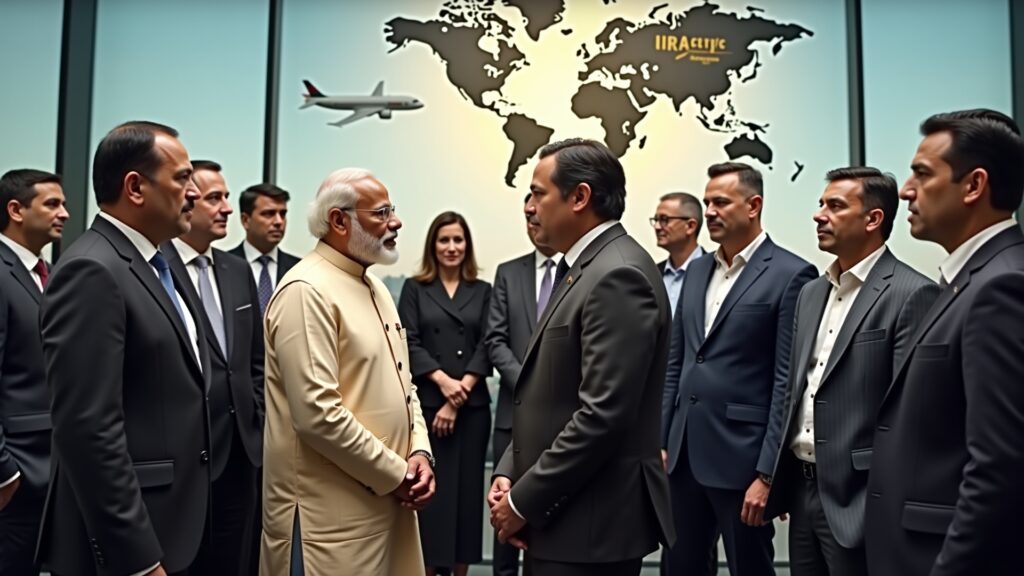
You stand at a pivotal moment in global tourism and connectivity as India and Spain ink strategic Memorandums of Understanding (MoUs) in rail transport, customs cooperation, and investment. These agreements are not mere formalities; they represent transformative pathways for your tourism business, destination development strategy, and hospitality investments. Understanding their implications unlocks fresh opportunities to elevate your brand, expand market reach, and boost profitability in a fiercely competitive international landscape.
Why This Strategic Cooperation Matters to You
As a tourism business leader or hospitality executive, the collaboration between India and Spain is more than diplomatic goodwill. It directly influences the infrastructure, regulatory, and investment frameworks that shape your operational environment. Enhanced rail connectivity promises smoother travel experiences and access to emerging markets, while customs cooperation reduces bureaucratic hurdles that often stall logistics and supply chains. Meanwhile, the injection of investment capital signals new projects and innovative hospitality models, allowing you to future-proof your offerings and scale with confidence.
What Is Happening? The Core Developments Unpacked
India and Spain have formalized agreements centering on three critical pillars: rail transport, customs collaboration, and investment facilitation. Coupled with the designation of 2026 as the “Year of India” in Spain, this multi-sector partnership aims to push connectivity, economic exchange, and cultural diplomacy to new heights.
- Rail Transport Partnerships: Joint efforts to bolster rail infrastructure, interoperability, and cross-border linkages emphasize enhancing both domestic and international passenger movement.
- Customs Cooperation: Streamlining customs procedures and harmonizing regulatory norms focus on facilitating frictionless trade and travel flows, pivotal for tourism supply chains and visitor ease.
- Investment MoUs: These agreements pave the way for bilateral capital investments targeting tourism infrastructure, hotel developments, transport facilities, and ancillary services.
Key Business and Tourism Impacts
This synergy translates into practical benefits for your tourism enterprise and the broader ecosystem:
- Infrastructure Ready for Growth: Improved rail networks boost regional connectivity, enabling expansion of destination offerings and easier access for niche segments like luxury and wellness travellers.
- Operational Efficiencies: Customs collaboration reduces delays and compliance costs, supporting smoother guest experiences and supply chain reliability that elevate hotel and travel brand standards.
- Investment Infusion: Access to cross-border funding increases your capacity to innovate hospitality models, adopting sustainable and premiumisation strategies that resonate with today’s discerning clientele.
- Marketing Momentum: The “Year of India” campaign acts as a catalyst to bolster brand visibility, cultural exchange, and business partnerships, stimulating inbound travel and investor interest.
Strategic Insights: Positioning for the New Tourism Landscape
“In tourism, demand matters — but destination readiness is what converts interest into durable growth.” This collaboration spotlights the essential triad of connectivity, regulatory alignment, and investment infusion. You should consider the multi-modal transport integration that enhanced rail connectivity introduces — this aligns perfectly with evolving traveler expectations for seamless experiences. Equally, customs simplification eases the flow not just for visitors but for the logistics underpinning luxury hospitality and event-driven tourism sectors.
Moreover, the investment MoUs represent a blueprint for how cross-border capital can energize second-tier destinations and disrupt traditional hospitality supply, especially if directed to technology-enabled services and sustainable infrastructure.
Finally, the Year of India in Spain is a marketing masterstroke, exemplifying how country-of-origin branding, cultural storytelling, and B2B engagement combine to amplify demand in both mature and emerging markets.
Practical Takeaways For Tourism and Hospitality Leaders
- Prioritize engagement with rail infrastructure initiatives to adapt your service models for improved accessibility and last-mile connectivity.
- Collaborate closely with customs and regulatory bodies to streamline import-export and travel processes impacting your operations.
- Explore diversified funding avenues arising from the investment MoUs, focusing on scalable projects that enhance premium guest experiences.
- Capitalize on the Year of India campaign to create marketing alliances, cultural immersion programs, and investor relations that elevate your competitive positioning.
- Stay vigilant about evolving bilateral policy frameworks as they will shape infrastructure development timelines and investment climates.
Expert Perspective
“The real edge is not only in attracting visitors, but in building experiences, infrastructure, and trust that keep them coming back.”
“When connectivity, hospitality quality, and destination strategy align, tourism growth becomes far more sustainable.”
Risks and Considerations
While these MoUs herald promising progress, there are inherent challenges to navigate. Infrastructure projects require timely execution and effective cross-border coordination to avoid delays that could dilute tourism growth momentum. Additionally, regulatory harmonization, especially around customs, involves complex policy alignment that demands continual stakeholder engagement.
Investment risks include geopolitical shifts and liquidity constraints which may impact project viability. Hence, your strategic planning must incorporate scenario analyses to mitigate unforeseen disruptions and optimize capital deployment.
What You Should Monitor Next
- Implementation timelines for rail infrastructure projects and their integration with existing transport networks.
- Regulatory reforms stemming from customs cooperation agreements and their effect on travel facilitation.
- Emergent investment projects and funding announcements linked to the MoUs, especially those targeting hospitality and tourism services.
- Developments around the Year of India 2026 campaign initiatives, including cultural exchange platforms and marketing partnerships.
- Policy updates on bilateral trade and tourism facilitation that could alter competitive dynamics.
Conclusion: Shaping the Future of Tourism Through India-Spain Collaboration
The India-Spain MoUs on rail, customs, and investment are not just diplomatic milestones but strategic instruments reshaping tourism connectivity and economics. They broaden the horizons for your tourism and hospitality ventures by enabling infrastructure readiness, operational efficiency, and capital access. By aligning your strategies with these developments, you position yourself to exploit premium and experiential travel trends increasingly defining global tourism.
This robust framework exemplifies how integrated, cross-sector partnerships drive sustainable growth and long-term competitive advantage in the international tourism economy. The focus on enhanced connectivity and investment catalyzes an environment where your business can thrive amid evolving traveler preferences and global market shifts.