As a leader or investor in the tourism sector, you know that growth opportunities emerge where infrastructure, connectivity, and market demand converge strategically. Maharashtra’s rise as India’s foremost state in event-led tourism offers just such a convergence—positioning the region not only as a destination but as a thriving business ecosystem driving premium travel demand and long-term destination value.
Why This Matters to You
If you operate in hospitality, destination development, aviation, or travel technology, Maharashtra’s dominance signals a shift you cannot ignore. Event-driven tourism catalyzes higher occupancy rates, boosts average daily rates (ADR), and encourages premium spending that outpaces traditional leisure travel. Understanding why Maharashtra is leading this transformation can reshape your strategic planning, investment decisions, and product innovation.
What Is Happening in Maharashtra’s Event-Led Tourism Landscape?
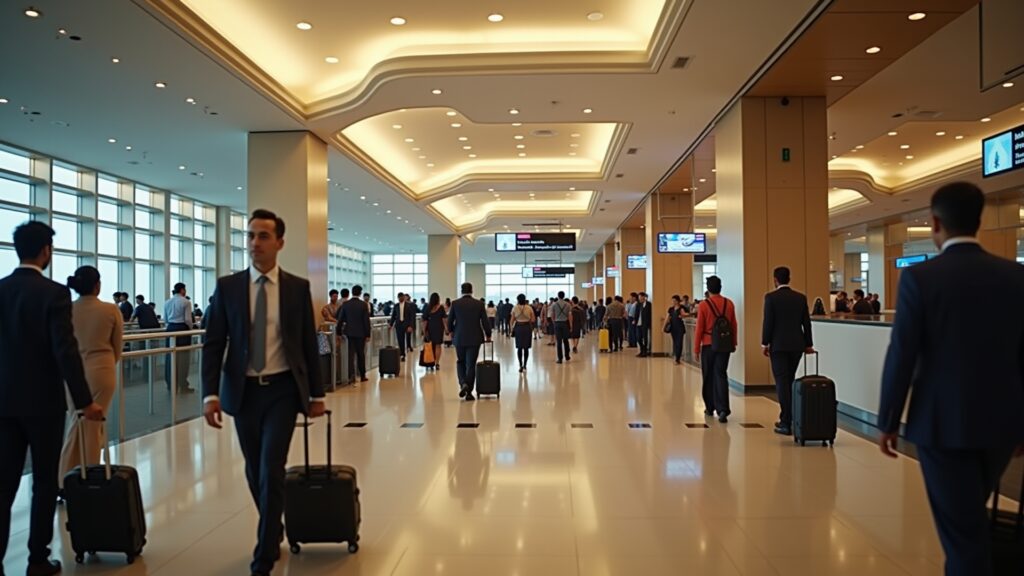
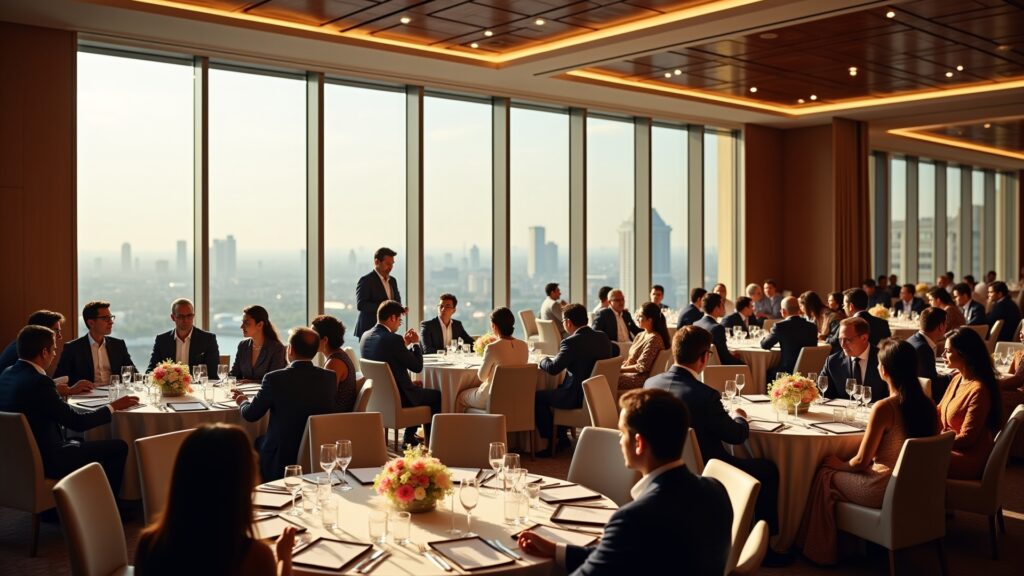
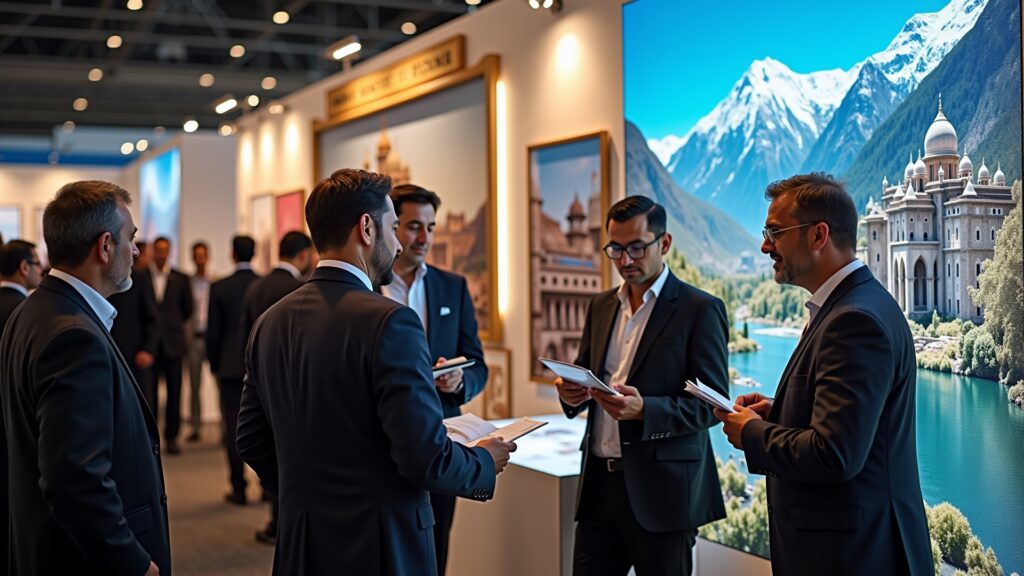
Maharashtra has solidified its position as the top state in event-based tourism across India, propelled primarily by cities like Mumbai and Pune. These cities host an array of large-scale events—corporate conventions, trade expos, cultural festivals—that consistently pull significant business traveler footfall. This dynamic is made possible by a synergy of world-class convention centres, luxury hotels equipped with cutting-edge MICE (Meetings, Incentives, Conferences, and Exhibitions) facilities, and superior aviation connectivity that links domestic and international markets efficiently.
This focus on business and event tourism creates a more stable demand pattern throughout the year, reducing reliance on traditional seasonal leisure travel and balancing destination economics accordingly.
Key Business and Infrastructure Impacts: Insights for Hospitality and Aviation
The rise of event-led tourism in Maharashtra offers you concrete lessons in sustainable destination development. Integrating hospitality infrastructure with event venues drives year-round occupancy and premium revenue. Maharashtra’s airports, primarily Mumbai and Pune, have enhanced their connectivity, allowing seamless access for business travellers—a critical factor in event tourism success.
For hoteliers, this means an opportunity to tailor services and packages to event delegates, boosting average spend per visitor. For aviation players and airport authorities, prioritizing connectivity and passenger experience for business travellers can significantly increase yield and market share. This ecosystem also encourages ancillary services, including luxury transport, corporate F&B, and technology-enabled business services.
Strategic Insights: Elevating Your Approach to Event Tourism
Maharashtra’s example underscores that event-led tourism success requires more than infrastructure alone. It demands a holistic destination strategy that coordinates policy, investment, and private-public partnerships. As you evaluate your own markets, consider replicating Maharashtra’s approach through:
- Public-private collaborations to develop and upgrade convention and hospitality infrastructure.
- Focused aviation strategies to enhance international and domestic connectivity, including secondary city airports.
- Digital innovations in event marketing and seamless booking platforms tailored for MICE travellers.
- Destination branding that promotes year-round event calendars to stabilize demand flows.
“In tourism, demand matters — but destination readiness is what converts interest into durable growth.”
Practical Takeaways for Tourism Leaders and Investors
- Prioritize investment in scalable convention and event infrastructure aligned with premium hospitality offerings.
- Engage proactively with aviation stakeholders to ensure consistent, quality connectivity for business travellers.
- Leverage technology and data analytics to tailor experiences, marketing, and booking to the MICE segment.
- Develop policy frameworks that incentivize event planners and support last-mile connectivity enhancements.
- Focus on integrating event tourism with broader destination development and sustainability goals to future-proof growth.
Expert Perspective
“The real edge is not only in attracting visitors, but in building experiences, infrastructure, and trust that keep them coming back.”
Risks and Challenges to Consider
While Maharashtra’s model sets a robust benchmark, event-led tourism is not without challenges. Infrastructure must continuously evolve to meet changing standards and client expectations. Overdependence on a few major events or cities risks market concentration. Additionally, you must consider sustainability and local community impact to avoid overburdening destinations and infrastructure.
Emerging competition from other Indian states and evolving global travel trends means you should remain agile in adapting your offerings and investments.
What You Should Watch Next
Keep an eye on Maharashtra’s evolving public-private partnerships in infrastructure upgrades, new aviation routes connecting tier-two cities, and innovations in digital event management. Also monitor how policy incentives evolve to encourage a broader range of event formats, including international sports, wellness conventions, and luxury experiential gatherings.
Conclusion
Maharashtra’s leadership in event-led tourism is far more than a ranking; it represents a deliberate and effective alignment of infrastructure, connectivity, and strategic destination branding that you can learn from. As India’s tourism economy grows more sophisticated, focusing on event-driven strategies will unlock resilient demand, premium hospitality positioning, and sustainable business growth. For tourism executives, investors, and policymakers alike, Maharashtra’s model charts a clear path toward enhanced revenue streams and competitive advantage.
“When connectivity, hospitality quality, and destination strategy align, tourism growth becomes far more sustainable.”