As a leader or stakeholder in the tourism sector, you are always looking to capitalize on emerging markets and strategic partnerships that can redefine your business growth and destination potential. Moscow’s recent concerted actions to strengthen its tourism connections with India illustrate a forward-thinking model that intertwines technology, education, and business collaboration to unlock untapped opportunities in bilateral tourism.
Why This Development Matters to You
The reimagining of India-Russia tourism ties through immersive technology, targeted B2B engagements, and youth outreach is not just a diplomatic gesture; it is a blueprint for how tourism ecosystems can evolve to stay competitive. For your tourism business or destination strategy, understanding and integrating such global innovations and partnerships is essential to capture market share and nurture sustainable growth.
What Is Happening Between Moscow and India?
Moscow is deploying a multi-layered approach that includes bespoke B2B meetings to foster direct partnerships between Indian and Russian tourism operators, virtual reality (VR) showcases that bring Moscow’s destination experiences to life for Indian travel planners, and student engagement programs to build future tourism talent and awareness. These initiatives collectively embrace the digital transformation and knowledge-driven strategies that modern tourism demands.
Key Business and Market Impacts for Tourism Stakeholders
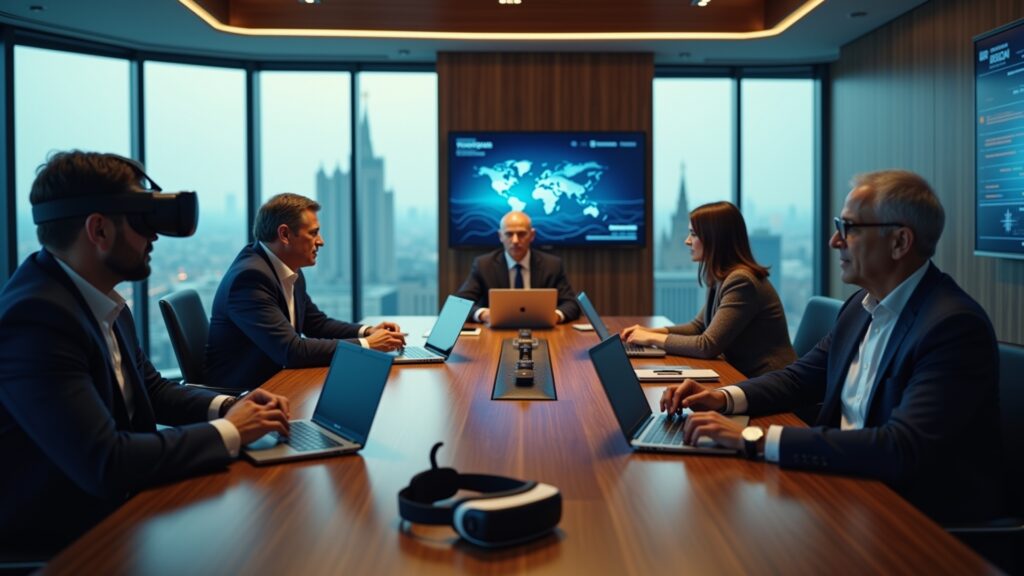
By leveraging VR technology, Moscow has effectively created a high-impact sensory narrative that travel agencies and tour operators in India can use to gain confidence in marketing Russian destinations. This advances a new standard in travel experiences even before a journey begins, which could accelerate booking conversion rates and increase visitor arrivals.
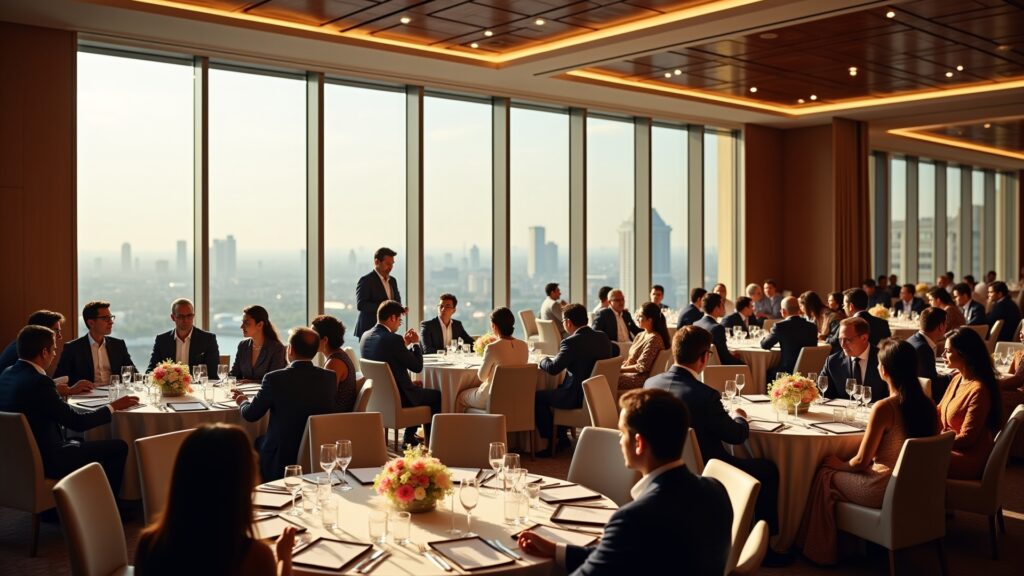
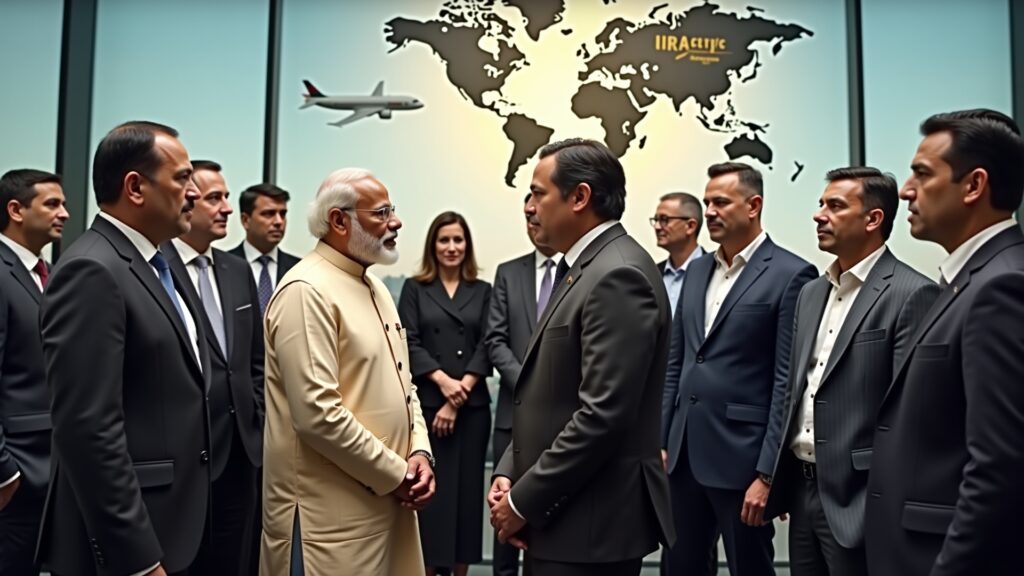
The B2B meets aim to build durable alliances fostering joint marketing campaigns, co-developed tour packages, and coordinated infrastructure efforts that enhance connectivity and visitor readiness. For Indian businesses, this represents a call to innovate your outreach methods and product development aligned with the preferences of the Russian inbound traveller.
Student and academic outreach initiatives signal strategic intent to shape the tourism workforce and leadership pipeline — a longer-term play crucial for sustaining industry momentum and building a tourism knowledge economy.
Strategic Insights: Why Technology and Education Are Game-Changers
The integration of VR into destination marketing is emblematic of a broader shift to experience-led promotions. For you, this means investing in technology not only enhances your storytelling but also sharpens your competitive edge in attracting high-value tourists.
Education-driven engagement prepares the tourism ecosystem for a future where talent development and destination literacy become as important as connectivity and hospitality quality. This is where business sustainability and destination competitiveness intersect — through human capital and innovation.
“In tourism, demand matters — but destination readiness is what converts interest into durable growth.”
“The real edge is not only in attracting visitors, but in building experiences, infrastructure, and trust that keep them coming back.”
Practical Takeaways: What You Should Do Next
- Embrace Digital Transformation: Explore immersive technologies like VR to bring your offerings closer to travel planners and consumers before their journeys.
- Strengthen B2B and Cross-Border Partnerships: Look beyond traditional promotions; co-create products and campaigns that offer unique value to high-potential source markets like Russia.
- Invest in Talent and Education: Align with academic institutions and develop training that builds future leaders who understand evolving traveler expectations and destination management.
- Prepare for Infrastructure and Connectivity Enhancements: Ensure your destination and hospitality infrastructure can support increased and diversified demand from international markets.
- Monitor Policy and Investment Trends: Stay informed on bilateral tourism policies and emerging investment opportunities enabling collaboration and destination readiness.
Expert Perspective
Industry insiders observe that Moscow’s approach signals a needed convergence of tech innovation, business networking, and educational engagement to future-proof tourism economies. This is relevant for India as it looks to capture a greater share of inbound tourism from high-value, experience-seeking traveller segments.
“When connectivity, hospitality quality, and destination strategy align, tourism growth becomes far more sustainable.”
Risks and Challenges to Consider
While the potential is significant, your strategy should remain mindful of geopolitical factors that can influence bilateral relations and tourism flows. Further, deploying high-tech solutions requires capital and skilled human resources, which can be a barrier for smaller operators or emerging destinations. Coordination across government bodies, industry players, and educational institutions is essential to overcome these hurdles and realize consistent growth.
What You Should Watch Next
Track the expansion of Moscow-India tourism collaborations through subsequent VR launches, joint marketing initiatives, and the evolution of academic programs focused on tourism management. Insights from these developments will reveal best practices and emerging opportunities for stakeholders like you to deepen bilateral business ties and enhance competitive positioning.
Conclusion: Elevating Your Role in the Moscow-India Tourism Growth Story
Moscow’s orchestrated push to strengthen India-Russia tourism business growth is a masterclass in strategic destination development and partnership innovation. For you — whether you lead a hotel group, a travel company, a tourism board, or an investment fund — this model illustrates how embracing technology, nurturing human capital, and fostering robust B2B connections can generate long-term competitive advantage.
In an industry where market dynamics and traveler preferences rapidly evolve, aligning your initiatives with such global trends is not optional but imperative. The intersection of technology-driven experiences, strategic collaborations, and sustained talent development will be decisive in crafting resilient, high-value tourism economies across emerging markets like India and Russia.