You manage or invest in tourism operations, oversee destination development, or lead hospitality ventures in emerging markets like Madhya Pradesh. The recent tragedy at Bargi Dam, where a cruise was launched despite clear high-wind weather warnings, demands your immediate attention and strategic reflection. This incident is not just an isolated event — it’s a warning bell about the critical gaps in safety, infrastructure readiness, and governance that can profoundly impact your business, your destination’s brand equity, and investment confidence.
Why This Matters to You
The Bargi Dam tragedy underscores the fragile balance you must maintain between stimulating tourism demand and ensuring traveler safety. As Madhya Pradesh seeks to position itself as a premium experiential destination through water-based tourism, the operational decisions you make can either amplify growth or trigger setbacks that ripple through your ecosystem.
For tourism business owners and destination policymakers, this incident drives home the urgency of embedding rigorous risk management and robust infrastructure into your growth strategy. It affects your ability to attract and retain high-value travelers, secure funding, and uphold your destination’s long-term competitiveness in India’s dynamic tourism economy.
What Has Happened at Bargi Dam?
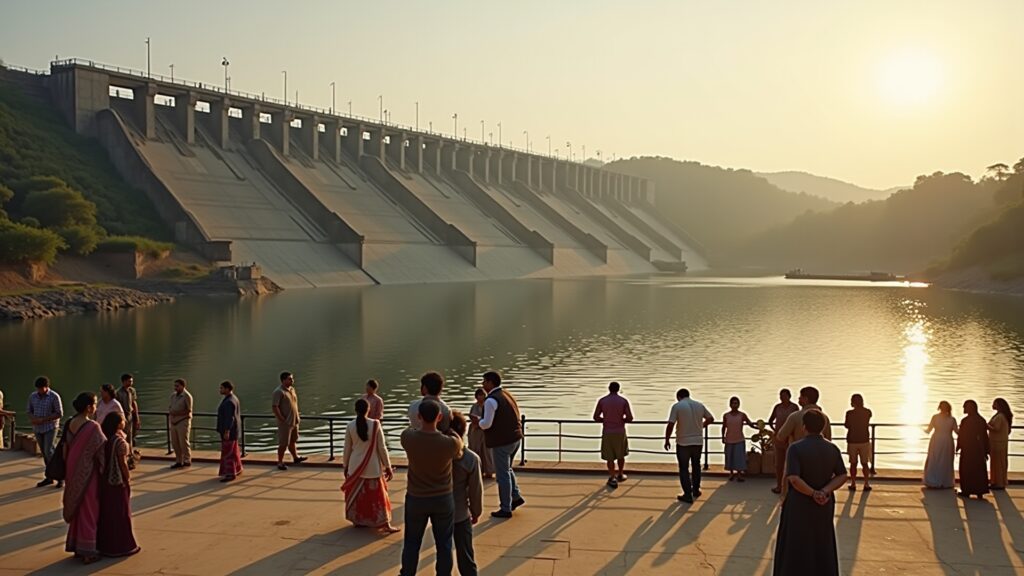
Madhya Pradesh’s tourism authorities pushed forward with launching cruise services on Bargi Dam despite forecasts predicting strong winds. This decision exposed visitors to unnecessary risks, culminating in a tragic incident that put safety protocols under scrutiny and cast a shadow on the destination’s management capabilities.
Bargi Dam is more than a scenic waterbody — it is a cornerstone asset for regional tourism development with potential to drive economic growth through enhanced visitor experiences and extended lengths of stay. Yet, the episode starkly revealed how infrastructure gaps and operational risk assessment failures can influence both public safety and brand reputation.
Key Impact on Business, Policy, and Infrastructure
- Reputational risk: Safety incidents diminish consumer confidence and deter premium travelers critical for sustainable revenue growth.
- Investor confidence: Inadequate safety governance signals elevated operational risks, affecting capital attraction and expansion feasibility.
- Regulatory scrutiny: Gaps in oversight trigger calls for stronger laws and protocols, impacting launch timelines and operational flexibility.
- Operational decision-making: The need to integrate real-time weather intelligence and contingency frameworks into tourism ventures becomes undeniable.
Strategic Analysis: From Crisis to Opportunity
This unfortunate event illuminates the urgent need for Madhya Pradesh and similar markets to pivot toward resilient, sustainable tourism infrastructure models. Your strategic focus must evolve beyond demand stimulation to encompass comprehensive risk governance. This includes:
- Collaboration with meteorological agencies to obtain accurate, real-time forecasts.
- Embedding dynamic operational protocols that prioritize cancellation or postponement in adverse conditions.
- Investing in safety infrastructure upgrades and staff training programs.
- Establishing integrated crisis communication strategies to manage incidents transparently.
Failing to address these elements invites long-term setbacks in destination branding and competitive positioning.
Practical Takeaways for Tourism Leaders
- Ensure your risk assessment frameworks explicitly incorporate weather and environmental contingencies.
- Advocate for stronger collaboration between tourism boards, meteorological departments, and cruise operators or similar stakeholders.
- Prioritize safety infrastructure modernization as a core element of your capital allocation plans.
- Develop comprehensive crisis management and communication protocols that can be rapidly deployed.
- Monitor regulatory developments closely to align your operational policies early and avoid disruption.
“In tourism, demand matters — but destination readiness is what converts interest into durable growth.”
“The real edge is not only in attracting visitors, but in building experiences, infrastructure, and trust that keep them coming back.”
“When connectivity, hospitality quality, and destination strategy align, tourism growth becomes far more sustainable.”
Risks and Challenges to Navigate
As you absorb the lessons from Bargi Dam, be mindful of persistent risks including regulatory ambiguity, fragmented stakeholder coordination, and infrastructure deficits that can escalate operational vulnerabilities. Balancing rapid expansion with quality and safety will test the operational leadership that governs your destination’s reputation and economic prospects.
What You Should Watch Next
Keep a close eye on policy reforms emerging from this incident, particularly those strengthening safety standards and operational oversight around water-based tourism. Observe how Madhya Pradesh’s tourism ecosystem adapts its governance frameworks and infrastructure investments post-incident, as these signal the sector’s resilience trajectory.
Investor sentiment, traveler feedback, and regulatory shifts will collectively determine whether Bargi Dam’s tragedy translates into a corrective turning point or repeated liability.
Conclusion: Recalibrating for Sustainable, Premium Tourism Growth
The Bargi Dam tragedy is a defining moment for you and the Indian tourism ecosystem to rethink destination growth strategies. Strengthening tourism infrastructure, tightening safety protocols, and fostering accountable leadership are not just compliance exercises but strategic imperatives to protect traveler welfare and sustain brand equity.
Embedding resilience, regulation, and premiumisation into Madhya Pradesh’s tourism development will enable you to unlock the region’s vast economic potential responsibly and competitively. This incident is a stern call to align ambition with operational excellence — only then can you truly capitalize on India’s rising stature in the global tourism economy.