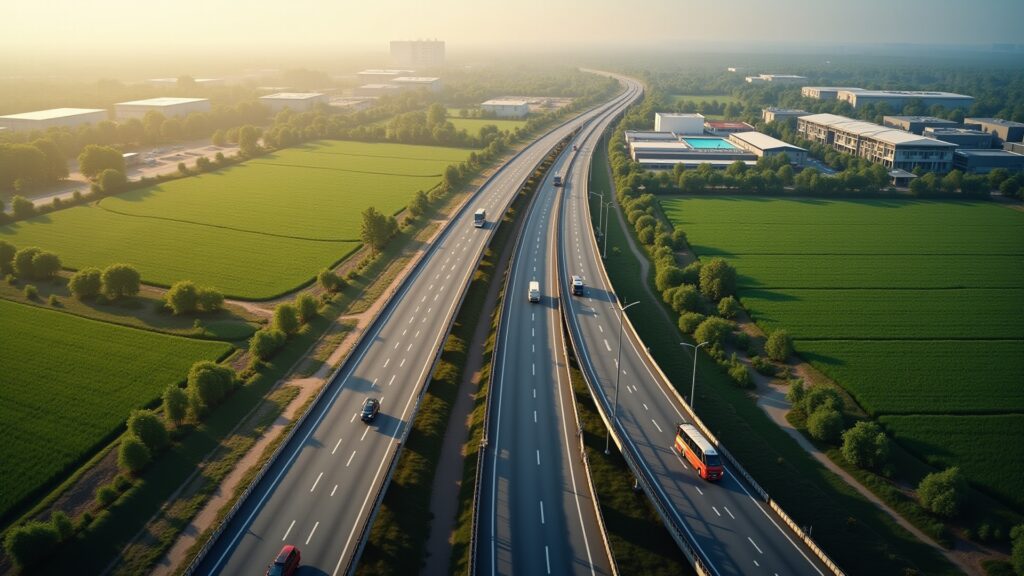
The inauguration of the Ganga Expressway is more than just an infrastructure milestone—it represents a pivotal moment for your tourism business, destination strategy, and investment outlook in one of India’s most culturally and economically significant corridors. If you are looking to capitalize on the confluence of industrial expansion, agricultural modernization, and tourism growth, understanding the multifaceted impact of this expressway is crucial for steering your enterprise toward sustainable success.
Why This Development Matters to You
As a tourism business owner, destination developer, hotelier, or investor, you are acutely aware that connectivity forms the backbone of growth in this sector. The Ganga Expressway promises enhanced accessibility that directly influences travel behavior, hospitality demand, and the scope for destination diversification. It also signifies a strategic infrastructure investment that reshapes the regional economic landscape—bridging industrial corridors, agricultural zones, and cultural hotspots in a way that can transform your operational potential and long-term positioning.
What Is Happening with the Ganga Expressway?
The Ganga Expressway traverses key districts along the Ganga basin, diminishing travel times and improving safety for millions of travelers. This modern expressway integrates industrial logistics with agricultural supply chains and opens new corridors for tourism circuits. Its proximity to existing airports and rail networks creates a powerful multimodal transportation framework, enhancing both passenger and freight movement efficiencies. This network effect holds the key to unlocking premium tourism demand and related business opportunities.
How the Ganga Expressway Transforms Destination Development and Tourism Ecosystems
From a destination development perspective, this expressway is a game changer for the Ganga basin’s diverse tourism segments. Spiritual tourism hubs, heritage sites, and agritourism ventures can now be seamlessly connected, enhancing the overall visitor experience and commercial viability of your projects.
Investments in hospitality infrastructure—ranging from luxury hotels and boutique resorts to wellness retreats—are poised to increase due to improved accessibility and shorter travel times. This facilitates premiumisation strategies centered on experiential and pilgrimage tourism, supporting local employment and improving standards of living.
“In tourism, demand matters — but destination readiness is what converts interest into durable growth.”
Impact on Agriculture and Ancillary Tourism Services
The expressway’s role extends beyond tourism into agriculture, which is integral to many agritourism models. Enhanced supply chains mean fresher local produce reaches your hospitality outlets and tourist markets more efficiently, creating cohesive farm-to-table experiences that resonate with contemporary travellers seeking authenticity and sustainability.
This integration stimulates rural economies, supports sustainable business models, and offers you an expanded ecosystem where agricultural innovation meets tourism entrepreneurship.
Implications for Aviation and Multimodal Connectivity
The expressway’s strategic alignment near major airports and rail hubs generates a robust multimodal connectivity advantage. This is critical for aviation stakeholders, travel technology firms, and logistics operators who seek to capitalize on increasing passenger volumes and efficient freight transport.
Your aviation-linked businesses should consider this enhanced ground connectivity a catalyst for rising demand and better integration with international and domestic travel networks, improving both inbound tourism quality and logistic profitability.
“When connectivity, hospitality quality, and destination strategy align, tourism growth becomes far more sustainable.”
Strategic Insights: The Ganga Expressway as a Long-Term Growth Enabler
The expressway spotlights the importance of cohesive infrastructure planning that propels industrial, agricultural, and tourism sectors simultaneously. For you, this means a unique opportunity to engage in or invest in projects that are not only commercially viable but also socially and environmentally responsible.
By strategically aligning your initiatives with infrastructure enhancements, you can foster resilient tourism ecosystems marked by premium experiences, sustainable livelihoods, and repeat visitation. This infrastructure will likely become a benchmark for other regional corridors aiming for integrated economic development.
Practical Takeaways for Tourism Leaders and Investors
- Prioritize destination readiness alongside marketing to convert new visitor interest effectively.
- Monitor emerging hospitality investments and hospitality real estate developments along the expressway corridor.
- Explore opportunities in agritourism and rural tourism that leverage improved freight and supply chain linkages.
- Engage with aviation and logistic partners to create seamless multimodal travel experiences.
- Consider premiumisation in hospitality offerings to attract discerning tourists capitalizing on enhanced accessibility.
- Advocate for sustainable tourism and infrastructure policies that balance growth with preservation.
Risks and Challenges Ahead
As promising as the Ganga Expressway is, you must navigate potential challenges including environmental concerns, equitable benefit distribution for local communities, and the need for continuous maintenance and safety upgrades. Additionally, without a coordinated policy framework, the infrastructural gains may not fully translate into sustainable tourism profitability. Awareness and proactive engagement with these risks will be essential to mitigate downside scenarios.
What You Should Watch Next
Keep a close eye on policy developments related to tourism zoning along the expressway, new hospitality projects announcements, and the growth of ancillary services such as wellness centers and boutique retail. Also, observe collaborations emerging between agriculture and tourism stakeholders that seek to maximize the economic opportunities presented by this expressway.
Conclusion: The Ganga Expressway as a Strategic Lever for Your Tourism and Business Growth
The Ganga Expressway is a transformative corridor — not merely a transport route. For you, it offers a critical foundation to unlock industrial, agricultural, and tourism-linked growth within the Indian heartland. By embracing this infrastructural evolution, you can position your business, investment, or destination strategy to capture new demand, build premium experiences, and foster a more resilient and sustainable future.
Ultimately, this expressway embodies the converging pathways of connectivity, economic development, and tourism excellence that will define India’s emerging global tourism competitiveness.
“The real edge is not only in attracting visitors, but in building experiences, infrastructure, and trust that keep them coming back.”