The announcement of India’s U-17 Women’s football team touring Russia as part of their preparation for the Women’s Asian Cup is a significant moment for the tourism and travel industry—one you cannot afford to overlook. This event is much more than a sporting fixture; it embodies a strategic intersection between international sports and tourism business, presenting you with tangible opportunities to expand your destination’s global reach, enhance hospitality offerings, and catalyse connectivity improvements.
Why This Matters to You: Unlocking Strategic Value Beyond the Game
As a tourism business leader, hospitality executive, or investor, understanding the business potential behind such sports tours is crucial. This India U-17 Women’s football tour to Russia highlights how international sports engagements can act as a powerful leverage point to boost your destination’s brand positioning, stimulate aviation and hospitality demand, and foster sustainable tourism growth. The ripple effects extend well beyond the pitch, affecting policy planning, infrastructure investment, and cross-sector collaboration.
What is Happening: India’s U-17 Women’s Football Team Heads to Russia
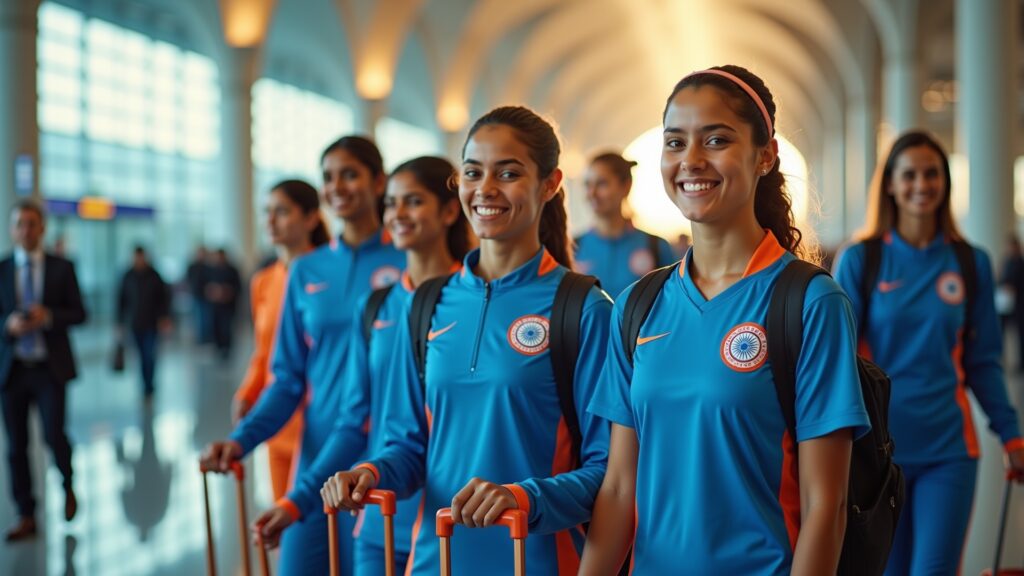
The Indian U-17 Women’s football team is set to tour Russia as part of their preparation for the Women’s Asian Cup, a major continental tournament. While primarily a sporting activity focused on training and competition, the tour skillfully blends international engagement and cultural exchange. Russia, with its established sporting infrastructure developed through hosting global events, provides a robust environment not only for athletic preparation but also for observing and benchmarking hospitality and tourism ecosystems linked to major sports events.
Key Business and Tourism Market Implications
- Destination Branding and Visibility: The tour boosts Russia’s visibility among Indian sports fans and broader traveler segments, a dynamic India can mirror by developing its own sports tourism narratives.
- Hospitality Sector Opportunities: The presence of international teams increases demand for premium accommodation, specialized services, and facilities catering to athletes and entourages — a growth avenue you can explore domestically.
- Aviation and Connectivity Expansion: Regular sports-related travel flows can justify enhanced air connectivity, incentivizing airlines and airports to consider direct or charter flights aligned with sports calendars.
- Soft Power and Diplomatic Leverage: Sports diplomacy through such tours helps position India globally, underlining the value of integrating sports into broader tourism and foreign policy initiatives.
Strategic Insights: Positioning India and Your Business for Growth in Sports Tourism
Sports tourism, often underappreciated, holds transformative potential for destination development and premium travel segments. Here’s what you need to focus on:
- Infrastructure Premiumisation: Investing in world-class training centres, athlete-friendly accommodations, and immersive experiences tailored for sports tourists can elevate India’s competitive standing.
- Experiential and Tier-2/Tier-3 Destination Growth: Leveraging sports events to promote lesser-known cities enriches the tourism economy while diversifying visitor profiles.
- Collaborative Ecosystem Development: Coordinated efforts among tourism boards, sports authorities, airlines, and hotel groups are essential to create seamless, high-value experiences.
“In tourism, demand matters — but destination readiness is what converts interest into durable growth.”
Practical Takeaways for Tourism Professionals and Investors
- Monitor Sports Calendars and International Tours: Align your business strategies with upcoming sports events and tours to capture emerging demand waves.
- Invest in Connectivity: Advocate for and explore air route expansions and charter services to support international sports travel flows.
- Enhance Hospitality Offerings: Develop athlete-centric services and premiumisation in hotels and resorts to tap into high-yield sports tourism segments.
- Leverage Sports Diplomacy: Collaborate with sports and government bodies to position your destination as an attractive venue for international sports engagements.
“The real edge is not only in attracting visitors, but in building experiences, infrastructure, and trust that keep them coming back.”
Risks and Challenges to Anticipate
While the potential is immense, there are complexities you should consider. Sports tourism demand can be seasonal and event-driven, requiring careful planning to avoid overcapacity. Infrastructure investment must balance premiumisation with sustainable tourism principles to prevent strain on smaller destinations. Additionally, geopolitical factors, visa policies, and travel regulations could affect international team movements and broader visitor flows.
What to Watch Next: Emerging Trends in Sports-Driven Tourism Growth
Keep a close eye on how Indian cities integrate sports events into their tourism strategies, especially tier-2 and tier-3 hubs aiming for global recognition. Watch advancements in aviation services connecting India with new global sports markets, and monitor how digital travel technologies enhance booking and personalization for sports travelers. The evolving narratives will provide vital clues on where investment and policy can create maximum impact.
“When connectivity, hospitality quality, and destination strategy align, tourism growth becomes far more sustainable.”
Conclusion: Expanding Your Horizon with Sports Tourism
India’s U-17 Women’s football tour to Russia may seem primarily like a sporting endeavor, but its significance for you in the tourism and hospitality sectors is profound. By recognizing and strategically responding to the intersection of international sports and tourism, you can unlock new avenues for growth, investment, and global positioning. This evolving dynamic challenges you to think beyond traditional tourism models and embrace sports tourism as a key pillar in India’s expanding travel economy.