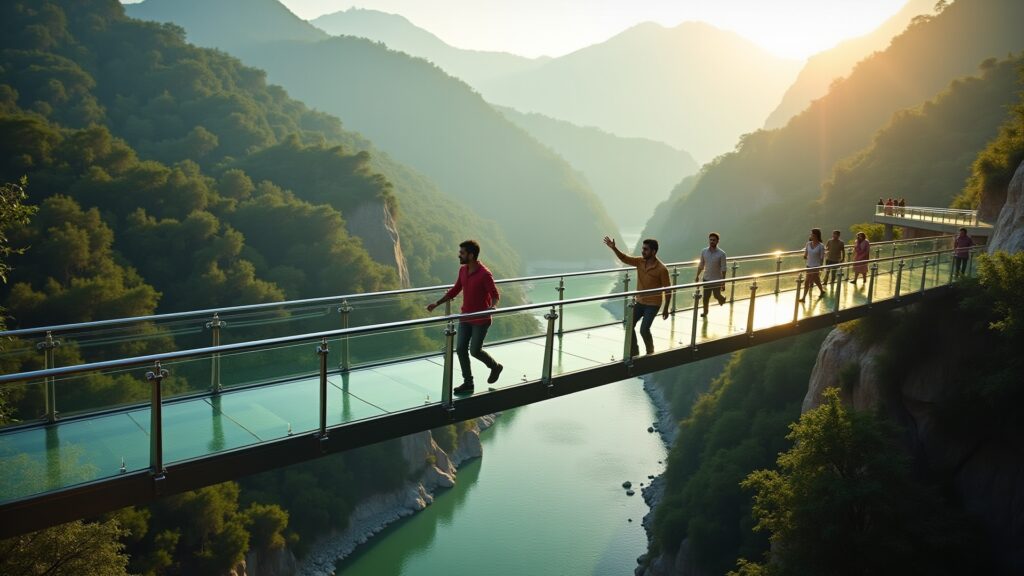
The completion of Bajrang Setu, India’s first glass bridge in Rishikesh, offers you a glimpse into how innovative infrastructure can fundamentally transform destination development and drive sustainable tourism growth. If you are engaged in tourism business, hospitality leadership, or destination strategy, understanding the significance of this project is essential to positioning your operations for a future that values experiential, premium, and sustainable travel.
Why This Matters to You
As a leader or stakeholder in the tourism ecosystem, Bajrang Setu sets a benchmark beyond a mere architectural marvel. It symbolizes a strategic investment in curating experiences that satisfy the evolving demands of discerning travelers. This development not only elevates Rishikesh’s status on the global tourism map but also opens pathways for greater economic impact, longer visitor stays, and enhanced brand value for the destination. Whether you operate a hotel, manage travel offerings, or shape policy, your success increasingly depends on integrating such landmark initiatives into your business and strategic plans.
What Is Happening: Bajrang Setu’s Strategic Arrival
Bajrang Setu’s soon-to-be-completed glass bridge landmark introduces an experiential attraction that aligns perfectly with Rishikesh’s reputation as a spiritual, wellness, and pilgrimage hub. This project marks a notable shift towards premiumisation and experience-led tourism—a trend that appeals to higher-spending visitors seeking unique, immersive travel engagements.
The bridge enhances pedestrian connectivity across critical points in Rishikesh, improving visitor circulation and enriching access to cultural and spiritual touchstones. It serves as a unique infrastructure asset that combines modern design with the area’s profound heritage, making it a compelling attraction for both domestic travelers from Tier-2 and Tier-3 cities and international visitors.
Strategic Business and Market Impact
From a market perspective, Bajrang Setu helps differentiate Rishikesh within a competitive tourism landscape crowded with spiritual destinations. It catalyzes new tourism flows by expanding the appeal beyond the traditional pilgrimage experience to include adventure, wellness, and premium travel sectors.
Investors and policymakers should note how such infrastructure can generate substantial local economic benefits. Besides direct employment in construction and operations, this bridge stimulates growth in hospitality, retail, and ancillary services. By prioritizing sustainable design and local ecosystem integration, the project addresses key policy goals around environmental stewardship and community acceptance.
“In tourism, demand matters — but destination readiness is what converts interest into durable growth.”
Deeper Insight: Infrastructure as a Catalyst for Premiumisation
What sets this development apart is its timing and strategic alignment with broader shifts in Indian travel behavior. As middle-class and affluent travelers seek distinct experiences, infrastructure that supports differentiated offerings becomes a crucial competitive advantage. Bajrang Setu exemplifies how blending cultural heritage with cutting-edge design appeals to sophisticated travelers who contribute to higher average daily rates (ADR) and revenue-per-available-room (RevPAR).
For hospitality operators, this means an opportunity to create curated packages that leverage the new bridge within pilgrimage, adventure, and wellness product mixes. It also offers travel companies a new anchor to market Rishikesh during traditional off-peak periods, aiding in year-round revenue stability.
“The real edge is not only in attracting visitors, but in building experiences, infrastructure, and trust that keep them coming back.”
Practical Takeaways for Tourism Ecosystem Leaders
- Understand the role of Bajrang Setu as a dual-purpose asset: both an iconic tourist attraction and a vital connectivity infrastructure element.
- Monitor changes in visitor profiles and spending patterns post-launch to optimize product strategies and pricing.
- Encourage integrated destination marketing campaigns that position Rishikesh as an experiential, premium spiritual hub supported by modern amenities.
- Invest in training and capacity building within hospitality and travel services to meet higher service expectations linked to premiumisation.
- Support sustainability initiatives that balance tourism growth with ecological and cultural conservation.
- Explore partnerships for digital travel platforms to amplify promotion and booking conversions leveraging the glass bridge’s appeal.
Expert Perspective
“When connectivity, hospitality quality, and destination strategy align, tourism growth becomes far more sustainable.”
“Bajrang Setu is a prime example of how targeted infrastructure can revitalize a destination’s competitive positioning on the global stage.”
Risks and Challenges to Consider
While Bajrang Setu represents a bold step forward, you must remain cautious of potential challenges. Maintaining the bridge’s upkeep and ensuring safety standards are paramount to preserving visitor trust. Furthermore, you should be mindful of managing visitor capacity to prevent overtourism that could undermine ecological stability and community goodwill. Finally, aligning ongoing investment and marketing efforts is critical to avoid the attraction becoming a short-lived novelty.
What You Should Watch Next
Keep a close eye on visitor data and economic impact reports following the bridge’s opening to gauge success and areas for improvement. Observe how hospitality providers and travel businesses adapt offerings and pricing structures. Additionally, monitor governmental and private sector responses to sustainability practices tied to the bridge to ensure long-term ecological and cultural balance.
Conclusion: A New Paradigm for India’s Spiritual Tourism
Bajrang Setu is more than India’s first glass bridge; it is a strategic catalyst for redefining Rishikesh’s destination development and tourism growth trajectory. For you as a tourism professional, it provides a template for how innovation in infrastructure can deliver premium, differentiated experiences that resonate with evolving traveler expectations. Supported by effective policy, investment, and marketing alignment, this landmark can substantially elevate Rishikesh’s global competitiveness and profitability in spiritual and wellness tourism.
Embracing such transformational projects will be key to sustaining India’s leadership in experiential tourism and capitalizing on the expanding market for premium travel experiences.