As a leader shaping the future of tourism, hospitality, or investment in emerging travel markets, you need to understand why Maharashtra’s rise as India’s event tourism hub is not just another headline. It signals a pivotal shift in how one of India’s most economically dynamic states is leveraging its infrastructure, connectivity, and urban strengths to foster a specialized form of tourism with outsized economic impact. This development holds critical lessons for your destination strategy, hotel positioning, capital allocation, and policy engagement.
Why This Rising Trend Matters to You
If you operate within Maharashtra’s tourism or hospitality ecosystem or if your portfolio spans similarly poised regions, grasping the dynamics of event tourism here is essential for competitive advantage. Event tourism—encompassing conferences, exhibitions, cultural festivals, and large-scale gatherings—is a premium segment characterized by higher average spending, longer stays, and strong year-round demand sustainability. For investors and operators, this means a pathway to enhanced RevPAR (Revenue Per Available Room), occupancy, and diversification beyond leisure tourism cyclicality.
Moreover, Maharashtra’s enhanced event tourism positioning provides a blueprint on how integrated travel ecosystems, flexible accommodation offerings, and advanced digital distribution can shape traveler preferences and unlock business growth. Your awareness and response to these shifts will directly impact brand relevance, market share, and long-term profitability.
What Is Happening in Maharashtra’s Event Tourism Ecosystem
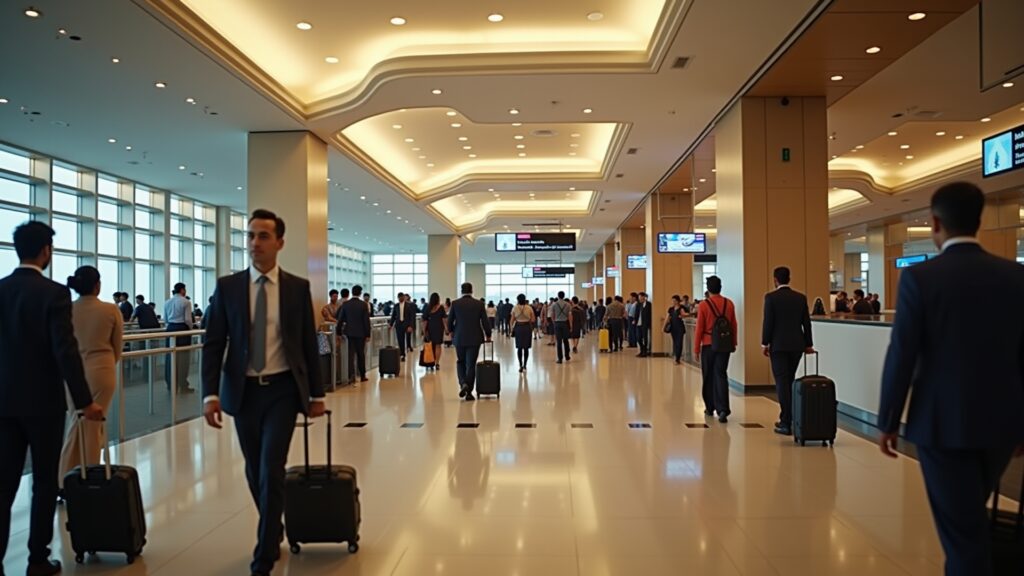
Airbnb’s recent data release highlights how Maharashtra, with metropolitan anchors like Mumbai and Pune, is witnessing a substantial uptick in event-driven tourism. Beyond the conventional hotel industry, alternative accommodations are benefiting as digitally savvy event travelers seek convenience, accessibility, and bespoke experiences. This rise owes much to the improving aviation connectivity, urban transport infrastructure, and government efforts to position these cities as global event hubs.
This momentum is catalyzing growth in the MICE (Meetings, Incentives, Conferences, and Exhibitions) sector, which dovetails with Maharashtra’s broader destination branding and economic development initiatives. The state is moving beyond leisure and pilgrimage tourism towards diversified demand sources with a premium orientation.
Key Business, Market, and Infrastructure Impacts to Track
- Hospitality Innovation and Premiumisation: Hospitality players must recalibrate service offerings and inventory to meet evolving guest expectations characterized by convenience, connectivity, and premium amenities.
- Aviation and Connectivity Expansion: Increased flight routes and enhanced transport infrastructure are critical enablers for sustained event-tourism growth, reducing friction points for both domestic and international attendees.
- Technology Integration: Digital booking platforms and real-time data insights enable operators to target and cater efficiently to event visitors, optimizing occupancy and yield management.
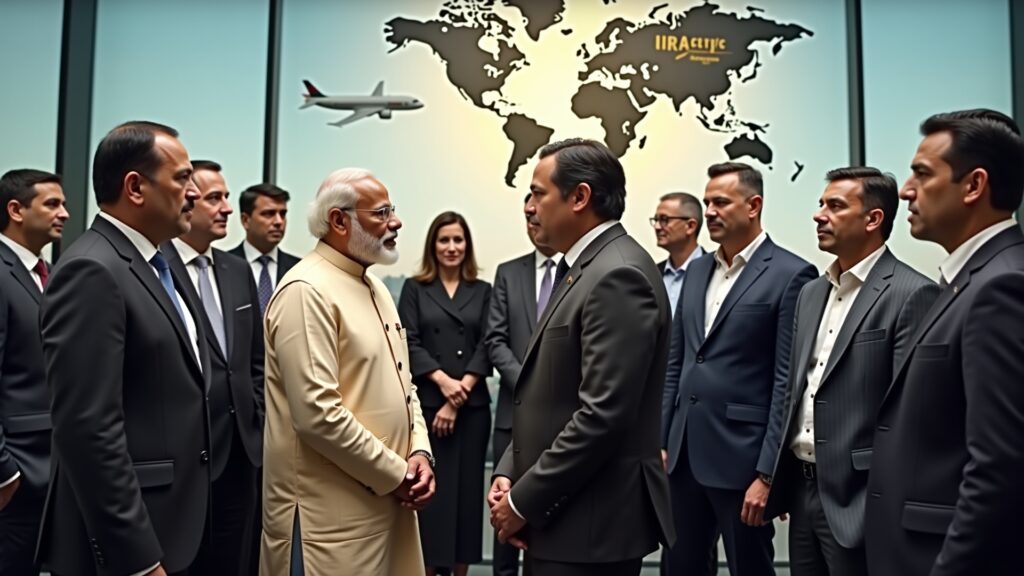
- Destination Ecosystem Coordination: Seamless collaboration across venues, transport operators, policymakers, and tech platforms is necessary to build resilience and scalability.
- Economic Multiplier Effect: Event tourism drives ancillary spending—from food and beverage to local services—enhancing the overall economic footprint of tourism beyond room rates.
Strategic Insights: Decoding Maharashtra’s Competitive Edge
What makes Maharashtra compelling as an event tourism hub is the convergence of economic dynamism, urban infrastructure, and strategic foresight. Mumbai’s stature as India’s financial capital, coupled with Pune’s growing IT and education ecosystem, creates a natural demand base for business events. This demand is amplified by government-led event tourism initiatives and private-sector investments in venues and connectivity.
The rise of alternative accommodations, such as those listed on Airbnb, signals a market shift where traveler preferences increasingly prioritize authentic, flexible stays over standardized hotel rooms. This evolution compels hospitality providers to rethink asset utilization and product innovation.
“In tourism, demand matters — but destination readiness is what converts interest into durable growth.”
This readiness extends to sustainability efforts and local community engagement, ensuring that growth does not come at the expense of carrying capacity or social license. For you, aligning your business or investment choices with these principles will be fundamental to long-term positioning.
Practical Takeaways for Industry Leaders
- Prioritize portfolio diversification by incorporating event-driven accommodation and service innovations.
- Engage actively with aviation stakeholders to advocate for route expansions and improved access.
- Strengthen collaboration with local government and event venues to create coordinated destination packages.
- Leverage technology and data analytics to tailor marketing and operational strategies targeting event tourists.
- Invest in infrastructure and sustainable practices that support scalable and responsible growth.
Expert Perspectives on Maharashtra’s Event Tourism Emergence
“The real edge is not only in attracting visitors, but in building experiences, infrastructure, and trust that keep them coming back.”
“When connectivity, hospitality quality, and destination strategy align, tourism growth becomes far more sustainable.”
Risks and Challenges Ahead
Despite promising growth, several challenges bear watching. Maintaining infrastructure quality amid rising demand is critical to preserve traveler experience. Coordination among diverse stakeholders can be difficult without clear governance and aligned incentives. Additionally, economic fluctuations or policy shifts may impact investment flows into event venues and related services.
Furthermore, rapid expansion without stringent sustainability oversight risks undermining ecological balance and community well-being, potentially eroding the very destination appeal that attracts premium travelers.
What You Should Monitor Next
Stay informed on evolving policy frameworks supporting event tourism and regional connectivity enhancements. Track hospitality innovation trends specifically tailored to event attendees, such as hybrid event accommodation models, tech-enabled convenience, and wellness integrations. Watch how alternative accommodations continue to integrate into event tourism ecosystems and the impact of international business traveler flows as global mobility rebounds.
Conclusion: Maharashtra’s Event Tourism Hub Status Is a Strategic Playbook for Growth
Maharashtra’s emergence as India’s event tourism hub is a compelling case study in how destination development, infrastructure investment, and tourism economics can align to fuel impactful industry growth. For your tourism business, destination strategy, or investment portfolio, recognizing and responding to this trend can unlock premium revenue streams, foster innovative hospitality practices, and build resilient, sustainable tourism economies.
By embracing coordinated ecosystem approaches, prioritizing quality and connectivity, and tapping into the rising demand for experience-driven event travel, you position yourself at the forefront of a transformative phase in India’s tourism landscape.
The rise of Maharashtra’s event tourism hub is not just a local phenomenon—it is a strategic model for global tourism business leaders focused on long-term, profitable destination growth.