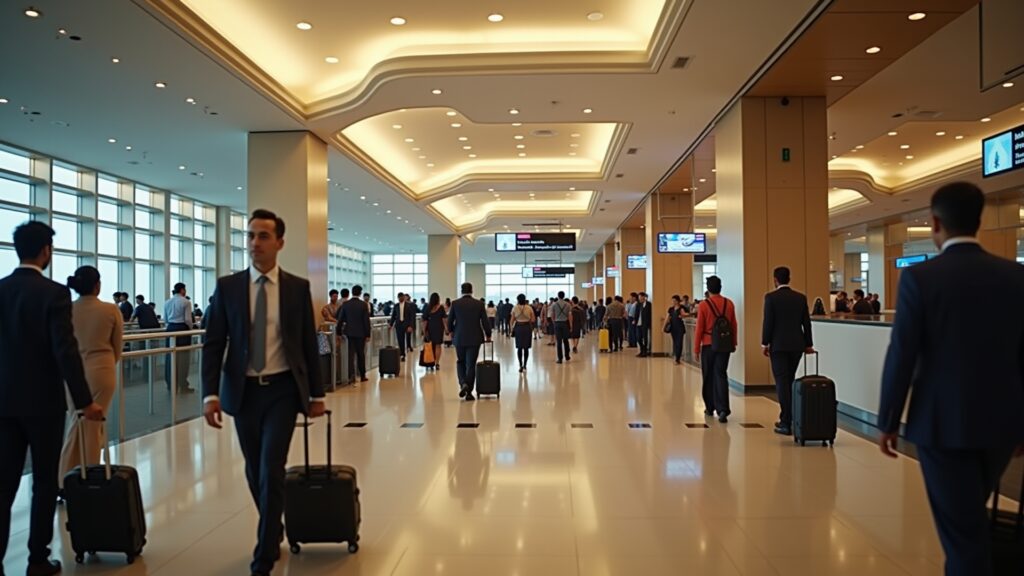
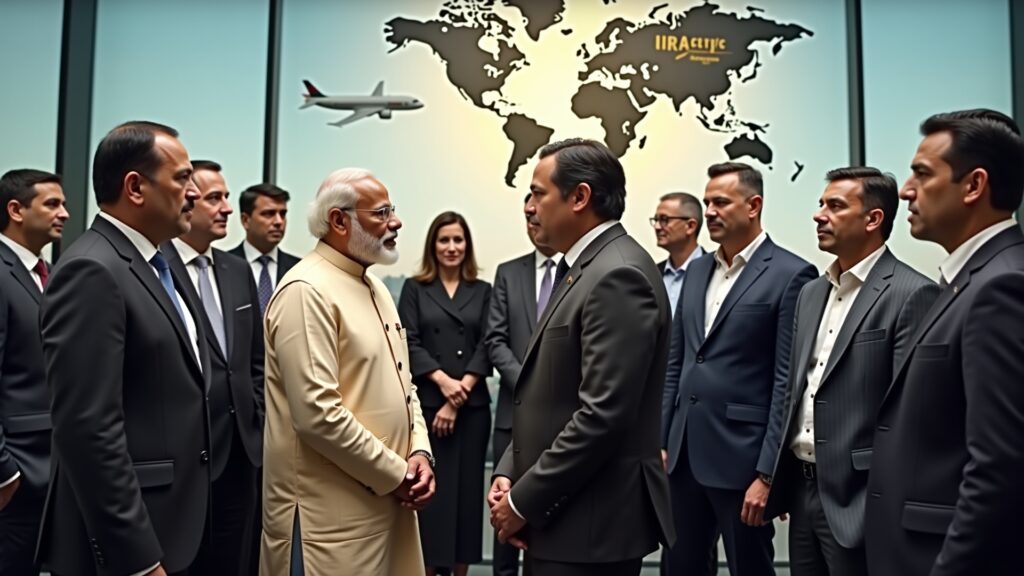
As a leader or stakeholder in the tourism and hospitality industry, you understand the critical role of connectivity and market access in shaping a destination’s success. Morocco’s recent strategic move to establish direct flights to India is a game-changing development for international tourism, with implications that extend far beyond passenger numbers. This initiative not only targets bringing 100,000 Indian tourists by 2027 but also symbolizes a broader repositioning of Morocco within the global tourism landscape—and offers you a wealth of commercial and strategic opportunities to explore.
Why This Matters to You and Your Tourism Business
If you’re invested in hospitality, airline route planning, destination development, or tourism infrastructure, Morocco’s push signals expanding avenues for growth and diversification. India’s outbound travel market is expanding rapidly, especially from Tier-2 and Tier-3 cities, where emerging middle classes and evolving consumer preferences are fueling demand for rich cultural and premium travel encounters. As a tourism business leader, understanding this shift enables you to align your strategy with a key growth corridor—one where connectivity improvements unlock latent demand and premiumisation opportunities.
The Strategic Move: Direct Flights Connecting Morocco and India
The drive to forge direct air connectivity between India and Morocco tackles a long-standing mobility hurdle. Currently, Indian travelers face multi-leg journeys to reach Morocco, impacting convenience, travel costs, and overall demand. The arrival of direct flights will streamline travel, making Morocco a more attractive, accessible destination for Indian tourists, and catalyzing cross-border economic engagement between two vibrant markets.
Broader Business and Industry Impacts
Aviation and Connectivity: Direct routes are critical for boosting sustainable tourism inflows. Airlines gain from new lucrative route networks, optimized load factors, and increased international passenger throughput. Airport hubs can expect uplifts in ancillary revenue, while regional economies around airport zones may see fresh investments in hospitality and service infrastructure.
Destination Development and Hospitality: The anticipated surge in Indian arrivals dovetails with Morocco’s objective to diversify its tourism portfolio, pushing luxury, cultural, and spiritual travel verticals. For hoteliers and hospitality operators, tailoring products that resonate with Indian travellers’ preference for experiential, premium stays will be essential to capture higher Average Daily Rates (ADR) and enhance RevPAR. This also includes curated wellness offerings and bespoke cultural experiences that appeal to discerning Indian tourists.
Policy and Economic Diplomacy: From the Indian vantage point, this partnership underscores expanding outbound facilitation frameworks and tourism’s soft power in bilateral relations. Policymakers should focus on seamless visa regimes, infrastructure readiness, and support for travel and tour operators specializing in Moroccan destinations to leverage the full economic potential.
Strategic Insights: What This Means for Your Business
Launching direct flights is more than an operational update; it’s a strategic lever that shapes market perception and competitiveness. Morocco’s approach reflects a sophisticated understanding that tourism growth depends not only on visitor volume but on how well the destination adapts to nuanced traveler segments and evolving market dynamics. You should consider:
- Investing in market research to understand Indian traveler booking behaviors and travel motivations focused on cultural and luxury experiences.
- Exploring partnerships with Indian travel agencies, wellness brands, and luxury service providers to craft compelling travel products.
- Aligning your infrastructure and service standards to cater to premium guests seeking authentic, responsible, and immersive tourism offerings.
- Monitoring aviation developments and bilateral negotiations to anticipate timing and scale of capacity increases.
“In tourism, demand matters — but destination readiness is what converts interest into durable growth.”
Practical Takeaways for Tourism Leaders and Investors
- Understand that connectivity improvements directly influence market accessibility and traveler conversion rates.
- Monitor Moroccan-India aviation agreements and government policies for opportunities to engage in route development or marketing collaborations.
- Develop differentiated, premium offerings that cater to Indian tourists’ preferences for experiential and luxury travel.
- Integrate sustainable tourism principles to ensure growth does not compromise cultural heritage or environmental integrity.
- Watch for emerging trends in Indian outbound travel from secondary cities, leveraging digital platforms to target these demographics effectively.
“The real edge is not only in attracting visitors, but in building experiences, infrastructure, and trust that keep them coming back.”
Risks and Challenges to Navigate
While the prospects are promising, you must also remain vigilant about certain challenges. Air connectivity initiatives require sustained bilateral cooperation, regulatory facilitation, and investments in airport and hospitality infrastructure. Additionally, aligning tourism product offerings with Indian travelers’ expectations demands insight-driven market development. There is also a critical need for sustainable tourism practices to prevent overtourism risks and safeguard Morocco’s cultural and environmental assets.
What You Should Watch Next
Stay alert to upcoming announcements on airline route launches, visa facilitation enhancements, and joint marketing campaigns. Emerging data on initial passenger volumes and traveler satisfaction will indicate the market’s trajectory and inform your strategic adjustments. Furthermore, track travel-tech innovations targeting the Indian outbound segment, as digital channels will play a pivotal role in capturing and retaining this market.
Conclusion: Positioning for a New Phase of Morocco-India Tourism Growth
Morocco’s push for direct flights to India is a decisive strategic pivot that signals a significant evolution in bilateral tourism relations. By removing connectivity constraints and focusing on premium, experiential tourism offerings, Morocco is not only targeting a numerical goal of 100,000 Indian tourists by 2027 but also positioning itself to capture the growing Indian outbound travel market with long-term competitive advantage. As a professional in the tourism ecosystem, this presents you with unique business, investment, and partnership opportunities to capitalize on a rising corridor in international tourism.
Embrace this change as an invitation to innovate your offerings, deepen cross-border alliances, and contribute to a sustainable and prosperous tourism future that benefits both destinations.
“When connectivity, hospitality quality, and destination strategy align, tourism growth becomes far more sustainable.”