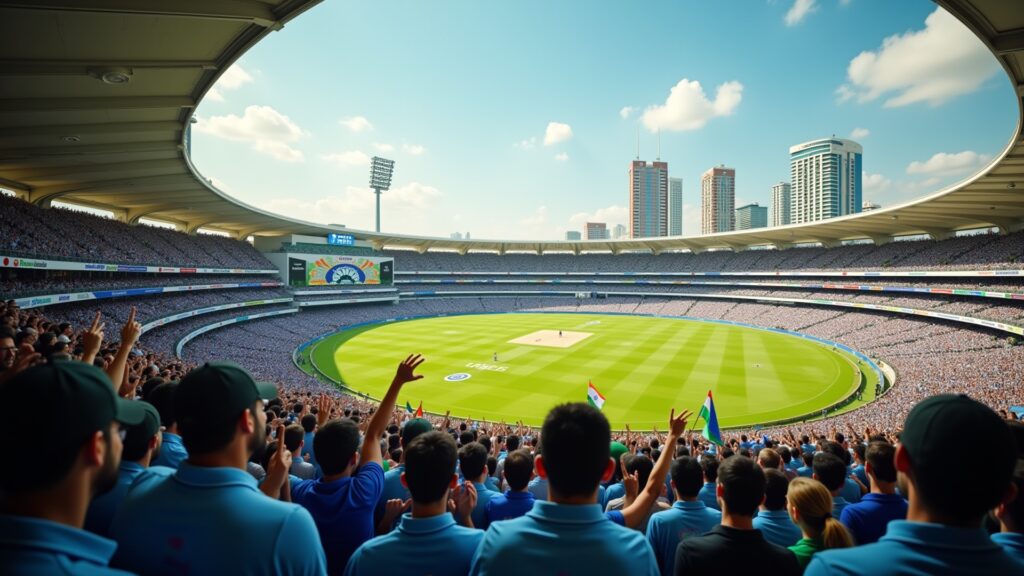
As a leader navigating the dynamic tourism landscape, you’re constantly looking for powerful catalysts that can elevate your destination’s appeal and economic impact. The recent surge of Indian and Pakistani cricket fans flocking to Colombo presents an unmissable opportunity for growth. This phenomenon isn’t just about packed stadiums; it’s a strategic moment that shapes the future of tourism business, hospitality returns, and destination positioning in South Asia.
Why This Matters to You
This cricket-driven influx directly affects your bottom line—whether you’re managing a hotel, developing a destination strategy, or steering tourism investments. The India-Pakistan rivalry, when played out in Colombo, transforms the city into a high-demand tourism hotspot. For you, this means a surge in occupancy rates, premium pricing power, and a broader showcase of the destination’s ability to handle large international audiences. It demonstrates how global sport can be integral to your growth and brand narrative.
What Is Happening in Colombo’s Tourism Ecosystem
Colombo has increasingly become the go-to venue for high-profile cricket matches that attract fervent fans from India and Pakistan—two of the biggest outbound tourist markets in the region. These fans create a ripple effect across the entire tourism ecosystem:
- High hotel occupancy and boosted average daily rates (ADR), especially in premium properties.
- Increased use of local transportation, from airport transfers to taxis and ride-hailing services.
- Growth in retail, dining, and entertainment spending driven by large visitor volumes.
This scenario is a classic example of event-led tourism acting as a multi-sector economic stimulant, beyond one-time visitor spend.
Key Business and Tourism Impact
From your perspective, the significance extends beyond immediate revenues. Colombo’s thriving cricket tourism reinforces its destination brand as a capable host for international events, which is a magnet for further tourism investment and marketing initiatives. Enhanced visibility also sets a precedent for improving infrastructure, hospitality standards, and connectivity—all essential components that feed long-term tourism competitiveness.
Hotels witness tangible uplift in RevPAR (Revenue per Available Room) during these events, making a compelling case for increased investments in upscale and luxury hospitality offerings. This aligns with the ongoing premiumisation trend in Asia, where affluent travelers seek unique, high-quality experiences around sporting and cultural events.
Strategic Analysis: Unlocking Broader Potential
As you consider strategic growth avenues, this cricket tourism spike offers critical insights:
- Connectivity is king: Colombo’s well-connected international airport is a gateway that makes it easy for fans to arrive and depart efficiently. Boosting flight frequencies and direct routes will only amplify these benefits.
- Infrastructure readiness: Ensuring smooth transportation, welcoming hospitality, and seamless event logistics makes your destination attractive not just for cricket fans but also for future sports tourism.
- Destination branding through sport: Embedding such marquee events within a comprehensive destination brand strategy enhances recall and market differentiation.
“In tourism, demand matters — but destination readiness is what converts interest into durable growth.”
Practical Takeaways for Tourism Leaders and Investors
- Capitalize on sporting events: Strategically align your marketing, hospitality upgrades, and transportation services around major international tournaments to maximize economic impact.
- Invest in premium hospitality: Use short-term boosts in RevPAR as proof points to attract capital for upscale hotel developments and enriched guest experiences.
- Enhance connectivity: Collaborate with aviation stakeholders and policymakers to expand direct flight options and simplify visa regimes for regional visitors.
- Leverage soft diplomacy opportunities: Facilitate cross-border fan engagement that strengthens regional tourism collaboration and intercultural exchange.
- Monitor consumer behavior: Study travel patterns and booking trends during events to tailor offerings that meet evolving luxury and experience-driven demands.
“The real edge is not only in attracting visitors, but in building experiences, infrastructure, and trust that keep them coming back.”
Risks and Challenges to Navigate
While the India-Pakistan cricket tourism surge is promising, it’s not without challenges that you must acknowledge:
- Political sensitivities: The rivalry has geopolitical dimensions that could impact fan attendance and the overall atmosphere.
- Economic volatility: Sri Lanka’s recent economic challenges mean that sustained infrastructure investment requires careful planning and funding assurance.
- Carrying capacity and sustainability: Managing tourism volumes in a responsible way to avoid oversaturation or degradation of local resources.
What You Should Watch Next
Keep a close eye on developments around South Asia’s regional transport corridors, especially aviation agreements affecting air connectivity. Stay informed about government policies facilitating easier travel for cricket fans and other niche sports travelers. Watch how Colombo leverages these events in its broader tourism campaigns and whether this model is replicated across other sporting or cultural events.
Conclusion: The India-Pakistan Cricket Tourism Dynamic as a Strategic Growth Lever
As you chart your course within South Asia’s competitive tourism market, the India-Pakistan cricket tourism wave in Colombo offers a blueprint for growth driven by event-led demand. This is not just a short-term revenue boost but a strategic foundation for premium hospitality investments, infrastructure upgrades, and differentiated destination branding.
By understanding the nuanced intersection of sports, travel economics, and destination readiness, you position your business or destination to capitalize on this and future opportunities. The India-Pakistan cricket tourism in Colombo is more than a sporting spectacle—it’s a case study in how deliberate and coordinated tourism business strategies can convert passion into profitability and long-term competitive advantage.
“When connectivity, hospitality quality, and destination strategy align, tourism growth becomes far more sustainable.”