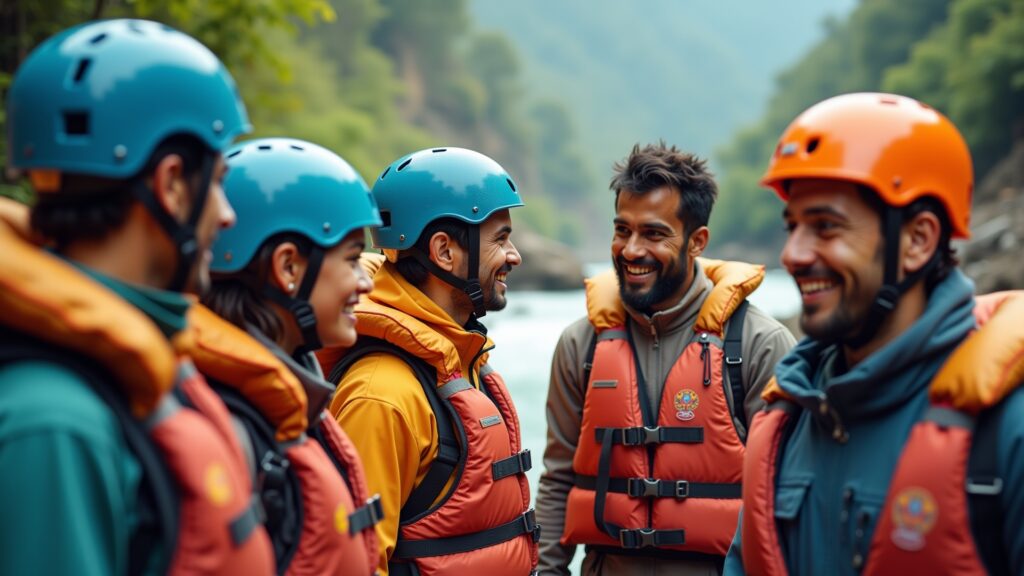
As you steer your tourism business or shape your destination strategy, understanding the critical role of safety in India’s burgeoning adventure tourism sector is no longer optional—it’s imperative. Adventure tourism offers you a prime avenue to diversify your offerings, elevate revenue per visitor, and extend guest stays, but these advantages hinge decisively on robust safety protocols. Without prioritizing safety, you risk compromising not only individual traveler well-being but also your brand’s reputation and broader market confidence.
Why This Matters to You
If you are an investor, hotelier, destination developer, or a policymaker, the safety standards within adventure tourism directly influence your operational resilience, investment appeal, and competitive positioning. Tourists increasingly demand premium, experiential, yet safe travel options — meeting this need can differentiate your brand and location on a global stage. Failure to address safety adequately can lead to adverse incidents that threaten long-term sector growth and investor confidence.
What Is Happening in India’s Adventure Tourism Landscape
India’s adventure tourism scene—encompassing trekking, river rafting, paragliding, and mountaineering—is gaining momentum with both domestic and international travelers seeking experiential journeys. This growth signals strong potential for destination diversification and increased economic yield. However, the sector currently faces challenges around consistent safety regulation, infrastructure readiness, and professional service delivery that you must navigate to ensure sustainable expansion.
Key Impacts on Business, Infrastructure, and Policy
Business and Investment Implications
From your viewpoint as a tourism business operator or investor, embedding safety protocols becomes a risk mitigation cornerstone. Models that showcase scalable, safety-compliant operations appeal more strongly to discerning travelers and attract investment by demonstrating a commitment to quality and reliability. These factors also influence hospitality metrics like occupancy and RevPAR in adventure hubs.
Infrastructure and Destination Development
Your destination development efforts need to include certified guides, emergency response capacity, and standards for adventure equipment. Infrastructure readiness goes beyond physical assets to encompass safety audits and compliance frameworks enforced through policy. Without such systems, you risk undercutting both tourist confidence and destination attractiveness.
Policy and Regulatory Leadership
Effective policy should balance growth with safety assurance and environmental sustainability. You, as a tourism leader or policymaker, can drive frameworks for mandatory safety standards, accreditation systems, and stakeholder collaboration. This structured approach not only safeguards tourists but also elevates India’s standing in the global adventure travel market.
Strategic Analysis: Safety as a Pillar of Competitive Advantage
Building a reputation for safety in adventure tourism aligns with premiumisation trends you’re likely tracking—where travelers seek differentiated, high-quality experiences that justify higher spend. The “soft infrastructure” of safety protocols and skilled personnel creates operational resilience, enhances brand equity, and stimulates repeat visitation.
“The real edge is not only in attracting visitors, but in building experiences, infrastructure, and trust that keep them coming back.”
Moreover, integrating safety efforts with sustainable practices increases your appeal to the growing segment of responsible travelers, thereby expanding your market reach while protecting ecosystems.
Practical Takeaways for Your Tourism Enterprise
- Understand: Safety is non-negotiable for sustainable adventure tourism growth and is directly tied to your brand and investment value.
- Monitor: Compliance with safety standards, infrastructure readiness, and emergency response capabilities are key operational metrics.
- Invest: Channel resources into training certified guides, acquiring quality equipment, and establishing emergency protocols.
- Collaborate: Engage with policymakers and industry peers to develop and uphold safety regulations and accreditation platforms.
- Innovate: Explore technology solutions such as GPS tracking and real-time monitoring to enhance safety management.
Expert Perspective
“In tourism, demand matters — but destination readiness is what converts interest into durable growth.”
“When connectivity, hospitality quality, and destination strategy align, tourism growth becomes far more sustainable.”
Risks and Challenges to Navigate
Neglecting safety could lead to accidents, generating negative publicity that undermines destination branding and investor sentiment. You must also address challenges such as inconsistent enforcement of regulations, variable guide training standards, and infrastructural gaps. Balancing rapid growth with safety demands foresight, investment, and cross-sector coordination.
What You Should Watch Next
Keep an eye on emerging government policies and accreditation initiatives that seek to standardize safety across adventure tourism. Observe how travel-tech innovators integrate safety features into booking platforms, guiding you toward safer operational models. Also, track destination case studies that successfully balance growth with safety—these benchmarks will inform your strategic moves.
Conclusion: Prioritize Safety to Harness Adventure Tourism’s Full Potential
Integrating adventure tourism safety in India into your business’s core strategy is essential to unlocking the sector’s economic and brand advantages. By championing safety, you enhance tourist trust, foster sustainable destination development, mitigate investment risks, and position your operation firmly within the premium experiential travel market. Thoughtful infrastructure investment, regulatory collaboration, and industry leadership in safety are your levers for long-term competitiveness and growth in India’s adventure tourism space.