The ongoing Iran-US conflict is more than just a geopolitical headline; it is redefining the contours of Indian tourism business dynamics in profound and lasting ways. If you are a tourism industry leader, an investor, or a destination strategist, understanding the ripple effects of this conflict on your sector is crucial to seizing emerging opportunities and mitigating risks. Geopolitical instability in West Asia has catalyzed a strategic realignment, positioning India as an increasingly attractive alternative destination and business hub for tourism-related enterprises.
Why This Matters to You
This shifting landscape changes how you must approach aviation connectivity, hospitality investment, and destination development. The evolving Iran-US conflict impact on India tourism offers you new avenues for growth in passenger traffic, premiumisation of your hotel portfolio, and a diversification of clientele, particularly in pilgrimage, wellness, and business travel sectors. At the same time, it compels you to reassess operational risks and regulatory environments to maintain your competitive edge amid global uncertainty.
What Is Happening in the Market
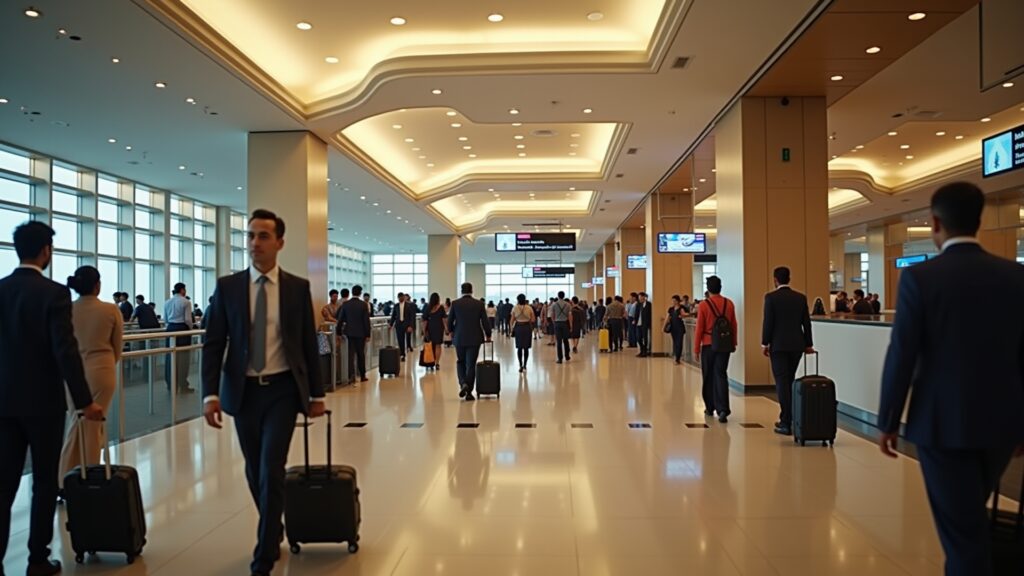
Air travel routes through volatile West Asian corridors are becoming less reliable, prompting airlines and travelers to seek safer, politically stable alternatives. India’s expanding airport infrastructure—especially in Tier-2 and Tier-3 cities—is benefiting from this demand shift, fueling growth in airline operations and passenger volumes. Concurrently, India’s spiritual and wellness tourism destinations are experiencing a marked rise in occupancy and average daily rates (ADR), as travelers look for secure, enriching experiences.
Key Business and Tourism Impacts
- Enhanced Aviation Connectivity: Indian airports are becoming pivotal hubs for rerouted international and regional traffic, expanding airline interest and facilitating business travel.
- Hospitality Sector Premiumisation: Pilgrimage and wellness hotels report increased bookings and higher ADR, fostering profitability and encouraging reinvestment in quality infrastructure.
- Destination Development Strategies: Tourism boards are repositioning India with focused branding and sustainable infrastructure investment to attract discerning international tourists and the diaspora market.
Strategic Analysis: Navigating a Transformed Landscape
This geopolitical upheaval demands you act with strategic foresight. India’s value proposition as a secure, affordable, and culturally rich destination is now tangibly driving new travel flows. Yet, your ability to harness this momentum depends on integrated efforts—linking aviation expansion, hospitality enhancements, sustainability initiatives, and digital travel technology adoption.
Consider also that this period of recalibration is a window for premiumisation and long-term demand resilience—aligning with global luxury and wellness travel trends. Your investment decisions should prioritize scalability and quality to capitalize on these evolving tourist preferences while embedding sustainability to future-proof development.
“In tourism, demand matters — but destination readiness is what converts interest into durable growth.”
Practical Takeaways for Tourism Leaders and Investors
- Monitor shifting aviation routes: Stay attuned to how airlines adjust Middle East connectivity, and position your airport hubs to capture spillover demand.
- Invest in premium hospitality assets: Focus on enhancing offerings in pilgrimage, wellness, and business segments where demand is surging.
- Drive sustainable destination branding: Ensure your destination messaging resonates with international travelers seeking stability and authentic experiences.
- Leverage travel technology: Accelerate adoption of digital booking and management tools to optimize conversion and customer engagement.
- Engage with policymakers: Advocate for adaptive travel policies that accommodate evolving security and operational needs.
“The real edge is not only in attracting visitors, but in building experiences, infrastructure, and trust that keep them coming back.”
Risks and Challenges to Address
While the Iran-US conflict presents your tourism business with clear upsides, it also carries inherent uncertainties. You must navigate evolving travel regulations, ensure heightened security protocols, and address sustainability commitments to avoid over-tourism in sensitive pilgrimage and wellness sites. Additionally, geopolitical volatility could change quickly, requiring agility in strategy and operations.
What You Should Watch Next
Keep a close eye on developments in air traffic patterns and regulatory shifts affecting travel corridors involving West Asia. Monitor investment flows into Tier-2 and Tier-3 airport expansions as early indicators of growth potential. Track hotel occupancy and ADR trends in spiritual and wellness hubs to gauge the long-term durability of this demand shift. Finally, watch for emerging travel-tech innovations that can offer you a competitive edge in customer acquisition and operational efficiency.
“When connectivity, hospitality quality, and destination strategy align, tourism growth becomes far more sustainable.”
Conclusion
The Iran-US conflict impact on India tourism is a complex, transformative force reshaping your industry’s dynamics. It is more than a challenge—it is an inflection point that calls for strategic leadership to leverage new opportunities in aviation, hospitality, and destination development. By embracing premiumisation, sustainability, and innovation, you can position your business and destination to capitalize on this geopolitical realignment for robust, inclusive growth in the medium to long term.